
What is Ai Risk Management?: Artificial Intelligence (AI) is transforming industries at a rapid pace—from healthcare and finance to cybersecurity and marketing. However, with great power comes significant risk. Organizations must carefully manage these risks to ensure AI systems are safe, ethical, and reliable. This is where AI Risk Management becomes essential.
In this article, we’ll explore what AI risk management is, why it matters, and how businesses can effectively handle AI-related risks.
What is AI Risk Management?
AI Risk Management refers to the process of identifying, assessing, and mitigating risks associated with the development and deployment of AI systems. These risks can be technical, ethical, legal, or operational.
The goal is to ensure that AI systems:
- Operate safely and reliably
- Protect user data and privacy
- Avoid bias and discrimination
- Comply with laws and regulations
Why is AI Risk Management Important?
As AI systems become more complex and widely used, the consequences of failure can be severe. Poorly managed AI can lead to financial loss, reputational damage, and even harm to individuals.
Key Reasons:
- Trust Building: Users are more likely to adopt AI systems they trust
- Regulatory Compliance: Governments are introducing AI regulations
- Business Continuity: Reduces system failures and disruptions
- Ethical Responsibility: Prevents harm caused by biased or unfair AI
Types of AI Risks
Understanding the different types of risks is the first step in managing them effectively.
1. Data Risks
AI systems depend entirely on data to learn and make decisions, which makes data quality a critical factor. If the data used is incomplete, outdated, or biased, the AI system will produce unreliable and potentially harmful outcomes. For example, incomplete datasets can lead to gaps in learning, while biased training data can reinforce discrimination in areas like hiring or law enforcement. Additionally, improper handling of sensitive data can result in privacy violations, exposing organizations to legal penalties and loss of user trust. Ensuring accurate, diverse, and secure data is essential to minimize these risks.
2. Model Risks
Model risks arise from how AI algorithms are built, trained, and deployed. Poorly designed models may either overfit (perform well on training data but fail in real-world scenarios) or underfit (fail to capture important patterns). Another major issue is the lack of transparency in many AI systems, often referred to as “black-box” models, where decisions cannot be easily explained. This can create challenges in critical sectors like healthcare or finance. Incorrect predictions or outputs can lead to wrong decisions, financial losses, or even safety concerns, making it crucial to validate and test models thoroughly.
3. Ethical Risks
Ethical risks occur when AI systems produce unfair, biased, or discriminatory outcomes. Since AI learns from historical data, it can unintentionally replicate existing societal biases. For instance, hiring algorithms may favor certain groups over others, or loan approval systems may discriminate against specific communities. A lack of accountability further complicates the issue, as it may be unclear who is responsible for the AI’s decisions. Addressing ethical risks requires fairness checks, transparent processes, and clear responsibility frameworks to ensure AI is used in a just and inclusive manner.
4. Security Risks
AI systems are increasingly becoming targets for cyberattacks, making security a major concern. Adversarial attacks involve manipulating input data to trick AI models into making incorrect decisions, such as misidentifying images or bypassing security systems. Data poisoning is another threat, where attackers inject malicious data during the training phase to corrupt the model. Additionally, model theft can occur when attackers copy proprietary AI systems, leading to intellectual property loss. Strong cybersecurity measures and continuous monitoring are necessary to protect AI systems from these threats.
5. Operational Risks
Operational risks are related to how AI systems perform in real-world environments. Even well-designed AI models can fail if they are not properly integrated into existing systems or if they are used in conditions different from their training environment. System failures, unexpected behavior, or lack of proper monitoring can disrupt business operations. For example, an AI-powered customer service bot may give incorrect responses if not regularly updated. Continuous monitoring, maintenance, and proper integration strategies are essential to ensure smooth and reliable AI operations.
6. Legal and Compliance Risks
AI systems must operate within legal and regulatory frameworks, which are evolving rapidly across the world. Failure to comply with data protection laws, such as GDPR or other regional regulations, can result in heavy fines and legal consequences. In regulated industries like finance or healthcare, lack of explainability in AI decisions can also create compliance issues. Furthermore, intellectual property concerns may arise if AI systems use copyrighted data without permission. Organizations must stay updated with legal requirements and ensure their AI systems meet all compliance standards to avoid legal risks.
Key Components of AI Risk Management
To manage AI risks effectively, organizations should focus on the following components:
1. Risk Identification
Identify potential risks early in the AI lifecycle—from development to deployment.
2. Risk Assessment
Evaluate the likelihood and impact of each risk.
3. Risk Mitigation
Implement strategies to reduce or eliminate risks.
4. Monitoring and Reporting
Continuously track AI performance and report issues.
5. Governance and Policies
Establish clear policies and frameworks for AI usage.
AI Risk Management Frameworks
Several frameworks help organizations manage AI risks effectively:
1. NIST AI Risk Management Framework
Provides guidelines for trustworthy AI development and deployment.
2. ISO/IEC 23894
An international standard focused on AI risk management.
3. EU AI Act (Emerging Regulation)
Classifies AI systems based on risk levels and imposes requirements.
Best Practices for AI Risk Management
Here are practical steps businesses can take:
1. Ensure Data Quality
- Use clean, accurate, and diverse datasets
- Regularly audit data for bias
2. Improve Model Transparency
- Use explainable AI (XAI) techniques
- Document model decisions
3. Implement Strong Security Measures
- Protect against cyber threats
- Regularly update systems
4. Conduct Regular Audits
- Test AI systems for performance and fairness
- Identify vulnerabilities
5. Build a Skilled Team
- Hire experts in AI, ethics, and cybersecurity
6. Establish Ethical Guidelines
- Define acceptable use of AI
- Promote fairness and accountability
Challenges in AI Risk Management
While important, managing AI risks is not easy.
1. Complexity of AI Systems
AI models can be difficult to understand and manage.
2. Lack of Standardization
Different industries follow different guidelines.
3. Rapid Technological Changes
AI evolves quickly, making it hard to keep up.
4. Resource Constraints
Small businesses may lack budget and expertise.
Future of AI Risk Management

As artificial intelligence continues to evolve and integrate into everyday business operations, managing its risks will become more important than ever. Organizations will not only focus on innovation but also on building safe, transparent, and accountable AI systems. The future of AI risk management will be shaped by several key trends:
1. Stronger Regulations Worldwide
Governments and regulatory bodies across the globe are increasingly recognizing the potential risks of AI and are working to establish stricter laws and guidelines. In the future, we can expect more comprehensive regulations that define how AI systems should be developed, tested, and deployed. These regulations will likely focus on data protection, transparency, fairness, and accountability. Companies will need to ensure compliance with multiple regional laws, which may vary significantly, making regulatory adherence a critical part of AI strategy. Organizations that proactively align with these regulations will gain a competitive advantage and avoid legal complications.
2. Increased Focus on Ethical AI
Ethical considerations will play a central role in the future of AI. Businesses and developers will be expected to prioritize fairness, inclusivity, and accountability in their AI systems. There will be greater emphasis on eliminating bias, ensuring equal treatment of all users, and making AI decisions more transparent. Ethical AI frameworks and guidelines will become standard practice, and companies may establish dedicated ethics committees to oversee AI projects. This shift will help build public trust and ensure that AI technologies benefit society as a whole rather than causing harm.
3. Advanced Tools for Monitoring AI Risks
As AI systems become more complex, organizations will rely on advanced tools and technologies to monitor and manage risks in real time. These tools will use AI itself to detect anomalies, identify potential biases, and track system performance continuously. Automated risk assessment platforms, explainability tools, and AI auditing systems will become more sophisticated and widely adopted. This will allow businesses to quickly identify issues and take corrective actions before they escalate, improving the reliability and safety of AI systems.
4. Greater Collaboration Between Organizations
The future of AI risk management will also involve increased collaboration between companies, governments, and research institutions. Since AI risks are often complex and widespread, no single organization can address them alone. Industry partnerships, knowledge sharing, and joint initiatives will become more common to develop best practices and standards. Open discussions and collaboration will help create unified approaches to managing AI risks, ensuring consistency and improving overall safety across industries.
Conclusion
AI Risk Management is no longer optional—it’s a necessity for any organization using artificial intelligence. By identifying potential risks, implementing best practices, and following established frameworks, businesses can harness the power of AI while minimizing its downsides.
Organizations that prioritize AI risk management will not only protect themselves from potential harm but also build trust, ensure compliance, and achieve long-term success.
-
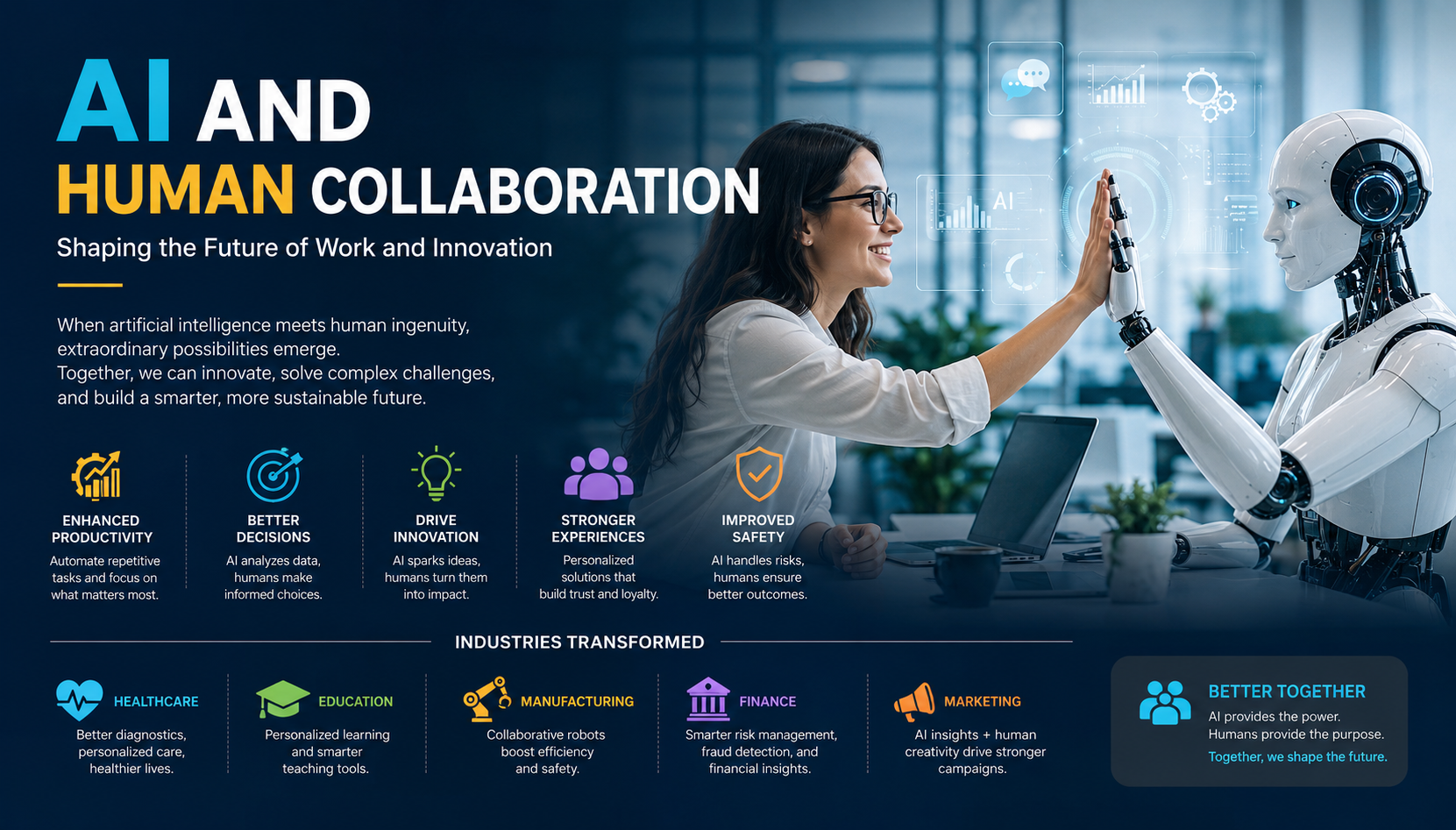
AI and Human Collaboration: Shaping the Future of Work and Innovation
AI and Human Collaboration: Artificial Intelligence (AI) is no longer a futuristic concept limited to…
-
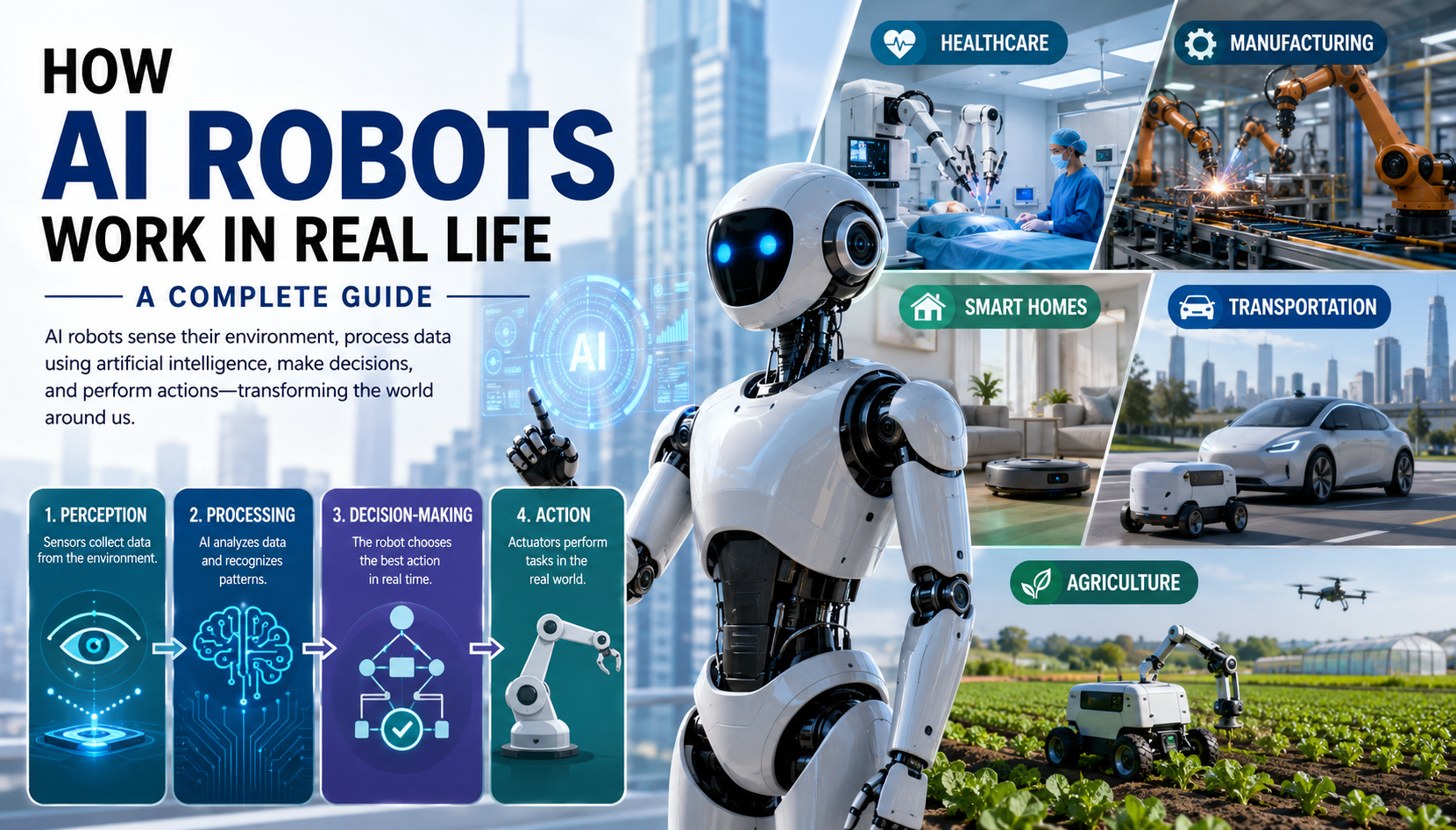
How AI Robots Work in Real Life: A Complete Guide
The idea of robots powered by artificial intelligence once belonged only to science fiction. Today,…
-
The Power of AI in Cybersecurity: Smarter Defense, Key Benefits & What’s Next
AI in Cybersecurity has become one of the most critical concerns for organizations in the…


Leave a Reply