
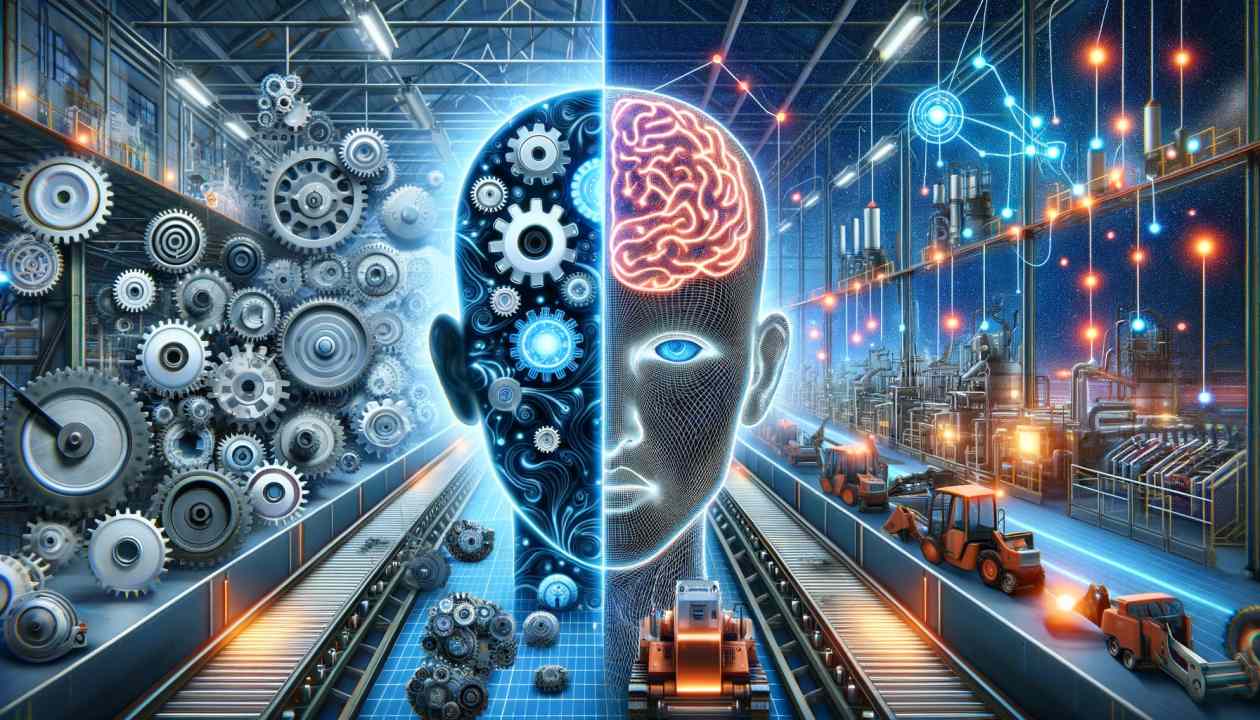
What is Ai Automation: Artificial Intelligence (AI) automation is rapidly changing how businesses operate and how people work. It refers to the use of AI technologies to perform tasks with minimal human intervention. From simple repetitive processes to complex decision-making, AI automation is becoming a key driver of efficiency, innovation, and growth across industries.
What is AI Automation?
AI automation combines artificial intelligence with automation tools to create systems that can learn, adapt, and perform tasks intelligently. Unlike traditional automation, which follows fixed rules, AI-powered systems can analyze data, recognize patterns, and make decisions in real time. This makes AI automation more flexible and powerful in handling dynamic and complex environments.
How AI Automation Works
AI automation works by integrating machine learning algorithms, data analytics, and intelligent workflows. These systems collect large amounts of data, process it, and use predictive models to make decisions or perform actions. For example, chatbots use natural language processing (NLP) to understand and respond to customer queries, while robotic process automation (RPA) handles repetitive business tasks like data entry and invoice processing.
Key Benefits of AI Automation
One of the biggest advantages of AI automation is increased efficiency. It reduces manual work, speeds up processes, and minimizes human errors. Businesses can operate 24/7 without interruptions, improving productivity. Additionally, AI automation helps in cost reduction by lowering the need for large workforces for repetitive tasks. It also enhances decision-making by providing data-driven insights, enabling organizations to make smarter and faster choices.
Applications of AI Automation
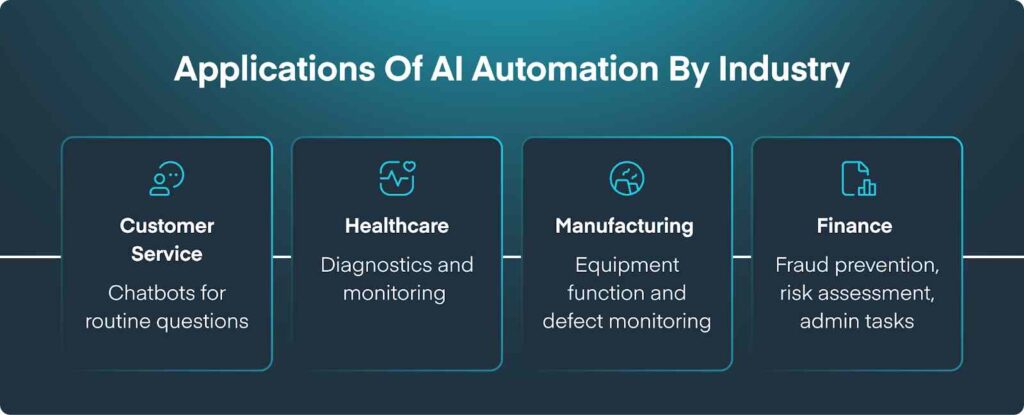
AI automation is widely used across various industries. In healthcare, it assists in diagnosis, patient monitoring, and administrative tasks. In finance, it helps with fraud detection, risk assessment, and automated trading. In retail, AI improves customer experience through personalized recommendations and inventory management. Manufacturing industries use AI-powered robots for production, quality control, and predictive maintenance.
Challenges of AI Automation
Despite its benefits, AI automation also comes with challenges. High implementation costs can be a barrier for small businesses. There are also concerns about job displacement as machines replace certain roles. Data privacy and security risks are significant, as AI systems rely on large volumes of sensitive data. Additionally, AI systems require skilled professionals for development, maintenance, and monitoring.
Foundational Models and Cloud Services for AI Automation to Scale
Scaling AI automation requires robust foundational models and reliable cloud services. Foundational models, like large language models (LLMs) and computer vision models, provide pre-trained intelligence that can be adapted for a wide range of tasks, from natural language understanding to image recognition. By leveraging these models, businesses can avoid building AI systems from scratch and accelerate deployment. Cloud services further enhance scalability by offering flexible infrastructure, storage, and AI platforms that can handle massive data processing and real-time operations. Services from providers like Amazon Web Services, Microsoft Azure, and Google Cloud allow organizations to deploy AI automation globally, integrate with existing workflows, and pay only for the resources they use, making large-scale AI adoption faster, more cost-effective, and highly efficient.
AI Automation Use Cases and Examples
AI automation is transforming multiple industries by streamlining processes, improving efficiency, and enabling smarter decision-making. In customer service, AI chatbots and virtual assistants can handle routine inquiries, schedule appointments, and provide 24/7 support, reducing the need for human agents. In finance, AI automates fraud detection, risk assessment, and transaction monitoring, ensuring faster and more accurate operations. Healthcare benefits from AI-powered diagnostic tools, patient monitoring systems, and administrative automation, allowing doctors to focus on patient care. In manufacturing, robots equipped with AI handle assembly lines, quality control, and predictive maintenance, reducing errors and downtime. Retail companies use AI automation for personalized recommendations, inventory management, and demand forecasting, enhancing customer experience and operational efficiency. These examples show how AI automation is not limited to one sector but is becoming a universal tool to optimize workflows and drive innovation.
Opportunities for Implementing AI Automation in Enterprises
AI automation offers vast opportunities for enterprises to enhance productivity, reduce costs, and drive innovation. Here’s a detailed look at the key areas where businesses can implement AI automation:
1. Streamlining Business Processes
Enterprises can use AI automation to handle repetitive and time-consuming tasks such as data entry, invoice processing, and report generation. Robotic Process Automation (RPA) combined with AI enables systems to perform these tasks faster and with minimal errors, freeing employees to focus on strategic and creative work.
2. Enhancing Customer Experience
AI-powered chatbots, virtual assistants, and personalized recommendation engines allow enterprises to provide 24/7 customer support and tailor interactions based on individual preferences. This not only improves satisfaction but also builds customer loyalty by offering faster, smarter, and more accurate service.
3. Data-Driven Decision Making
AI automation can analyze large volumes of structured and unstructured data to generate insights, detect trends, and predict future outcomes. Enterprises can leverage these insights for strategic planning, market analysis, and operational improvements, making decision-making faster and more accurate.
4. Optimizing Supply Chain and Inventory Management
AI automation helps businesses manage supply chains efficiently by predicting demand, monitoring inventory levels, and optimizing logistics. Predictive analytics ensures that enterprises reduce overstocking or stockouts, minimize delays, and maintain cost-effective operations.
5. Improving Operational Efficiency
By automating routine tasks across departments, enterprises can reduce manual workload, minimize errors, and enhance productivity. AI systems can monitor workflows, identify bottlenecks, and suggest process improvements, ensuring smoother day-to-day operations.
6. Boosting Cybersecurity
AI automation enhances enterprise security by detecting anomalies, monitoring network traffic, and identifying potential threats in real time. Automated threat detection systems can respond faster than human teams, preventing data breaches and minimizing cyber risks.
7. Enabling Innovation and New Business Models
AI automation opens opportunities for enterprises to develop innovative products and services. From predictive maintenance solutions in manufacturing to AI-driven financial advisory tools, companies can explore new business models and revenue streams, staying ahead of the competition.
8. Workforce Augmentation
Rather than replacing humans, AI automation can augment the workforce by handling repetitive tasks while employees focus on decision-making, creativity, and problem-solving. This improves employee satisfaction and productivity while maximizing the value of human expertise.
Implementing AI automation strategically allows enterprises to stay competitive, reduce operational costs, and unlock growth opportunities across every department. When combined with the right technology, training, and governance, AI automation becomes a powerful lever for enterprise transformation.
Future of AI Automation
The future of AI automation looks promising as technology continues to evolve. Businesses are expected to adopt more advanced AI tools that can perform complex cognitive tasks. Human-AI collaboration will become more common, where AI handles routine work while humans focus on creativity and strategy. Moreover, ethical AI development and stricter regulations will shape how automation is implemented responsibly.
Conclusion
AI automation is revolutionizing the way we live and work. It offers significant benefits in terms of efficiency, cost savings, and innovation, but also presents challenges that need careful management. As organizations continue to adopt AI automation, balancing technology with human skills and ethical considerations will be essential for long-term success.
Blog
This section provides an overview of the blog, showcasing a variety of articles, insights, and resources to inform and inspire readers.
-
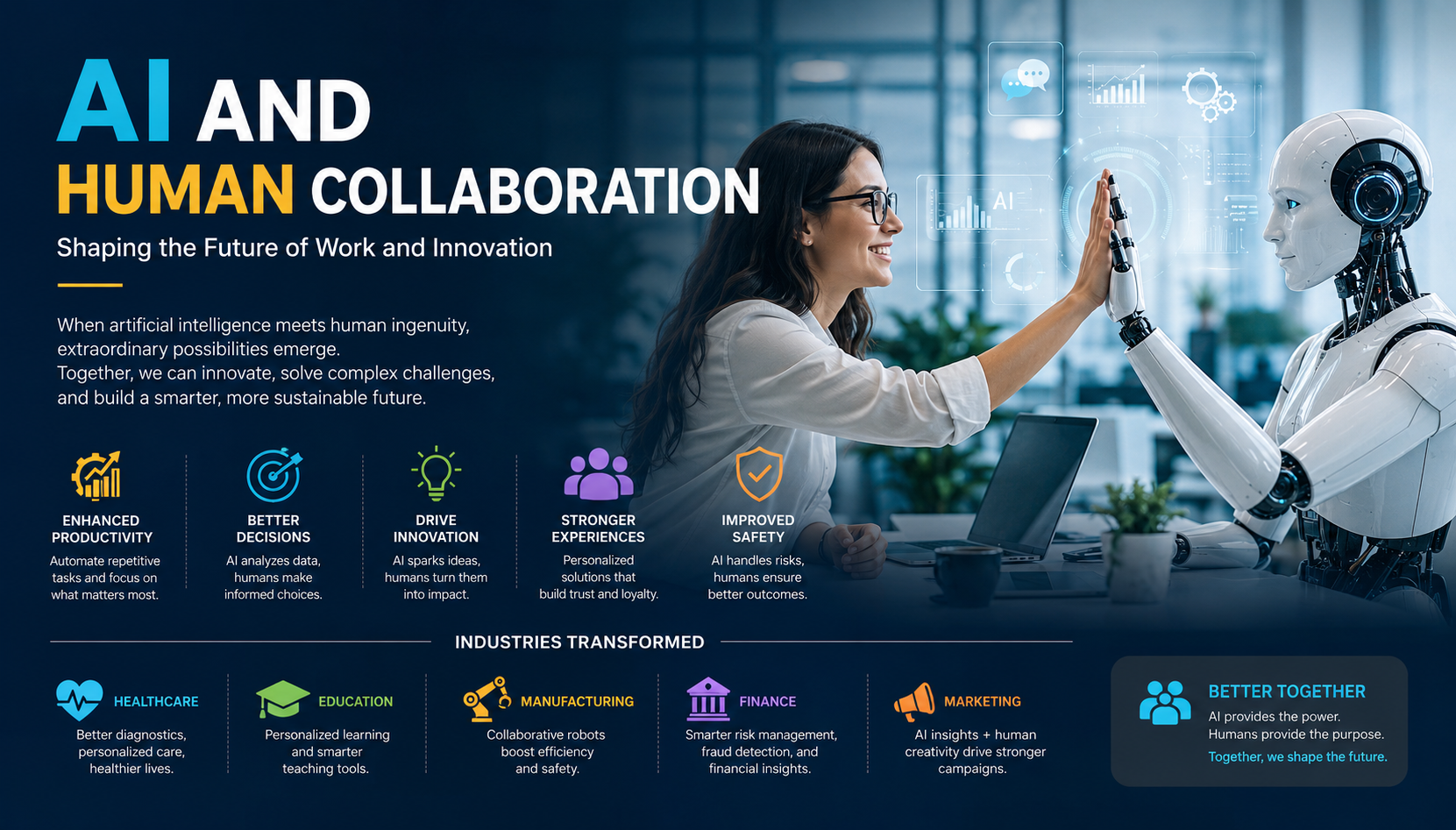
AI and Human Collaboration: Shaping the Future of Work and Innovation
AI and Human Collaboration: Artificial Intelligence (AI) is no longer a futuristic concept limited to science fiction movies. Today, AI has become a powerful force transforming industries, businesses, and daily life. From…
-
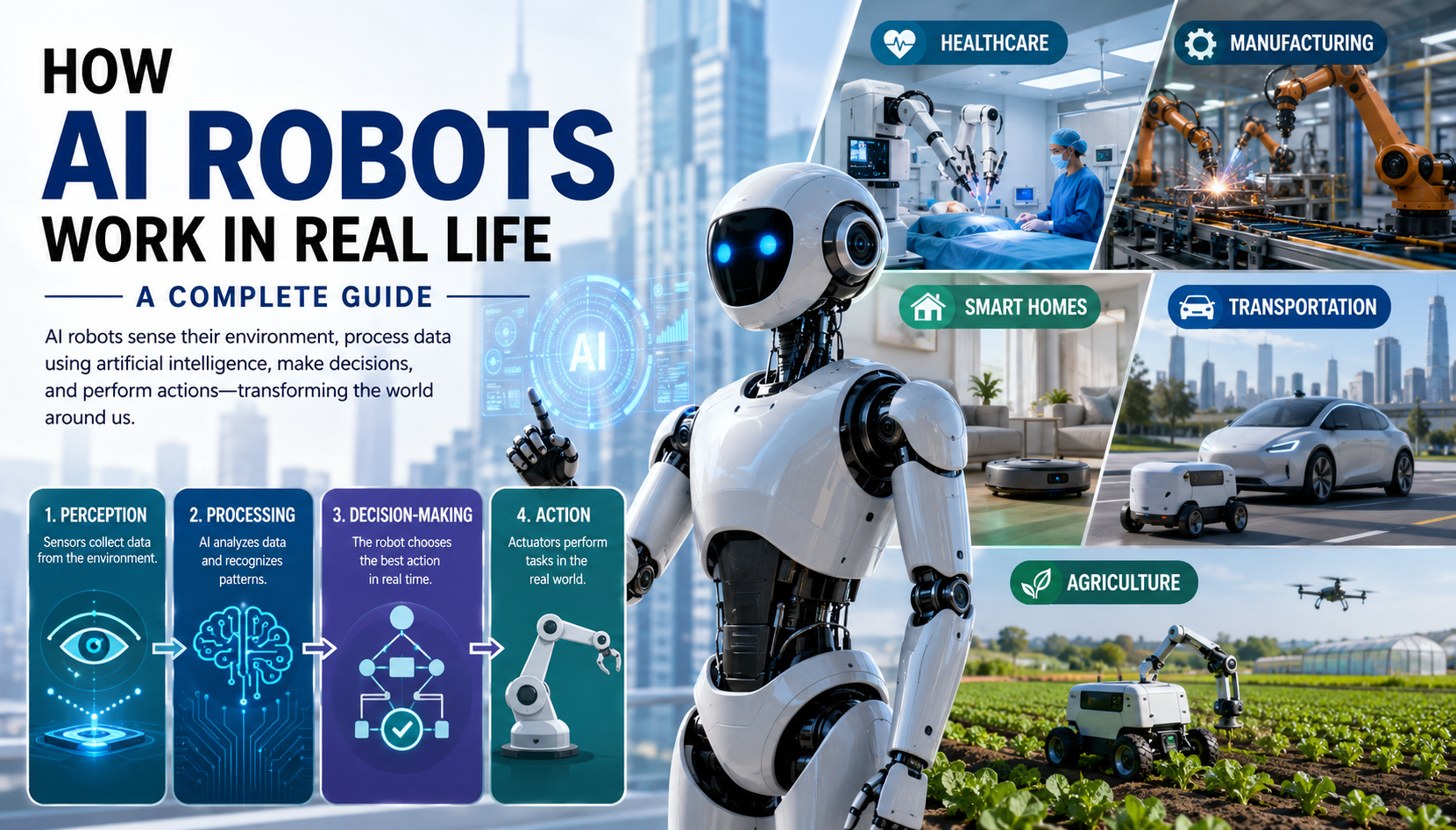
How AI Robots Work in Real Life: A Complete Guide
The idea of robots powered by artificial intelligence once belonged only to science fiction. Today, however, AI robots work in real life across industries, quietly transforming how we live, work, and interact…
-

The Power of AI in Cybersecurity: Smarter Defense, Key Benefits & What’s Next
AI in Cybersecurity has become one of the most critical concerns for organizations in the digital age. As cyber threats grow more sophisticated, traditional security approaches often struggle to keep up. Artificial…

Leave a Reply