
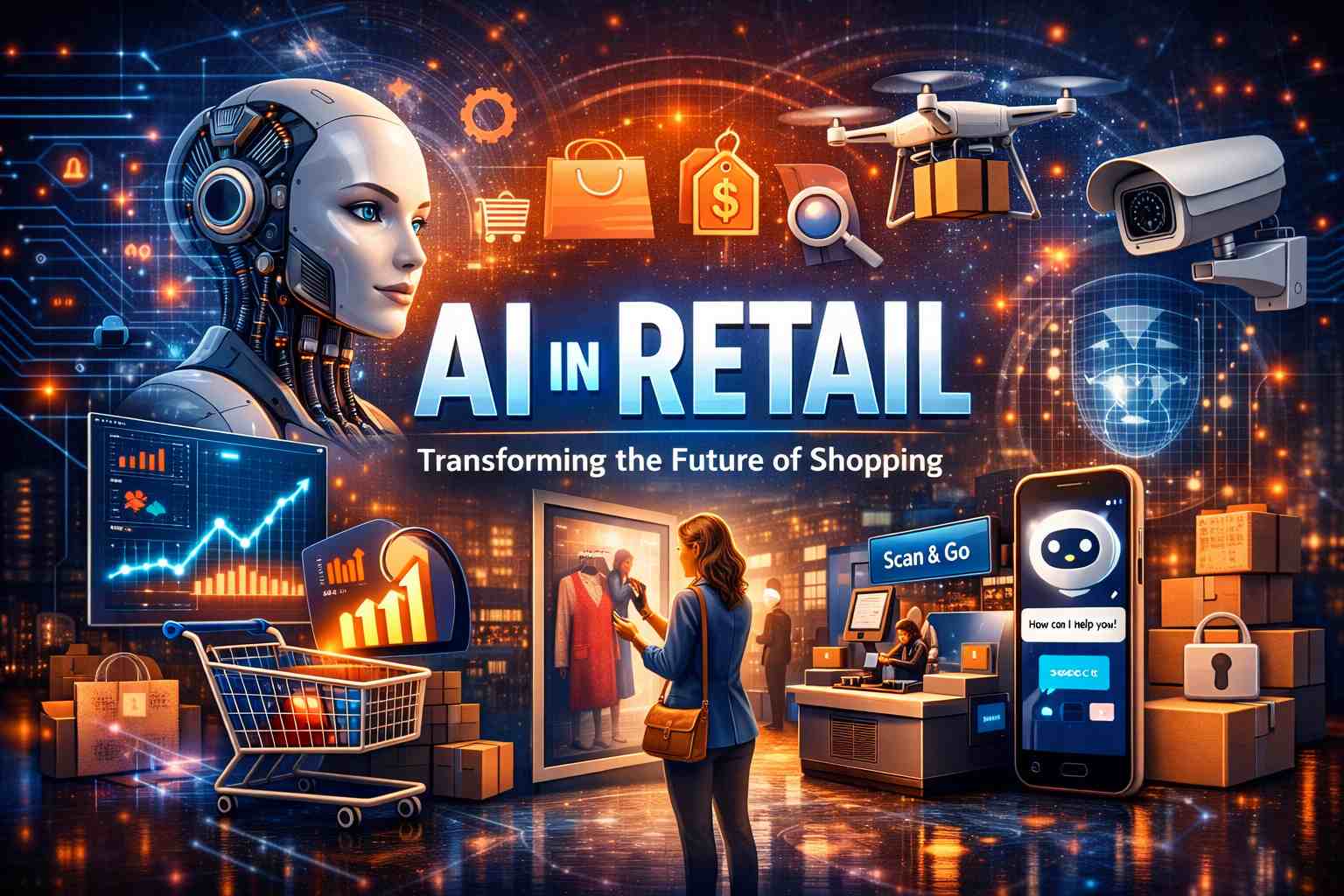
The retail industry is changing faster than ever, and one of the biggest reasons behind this transformation is AI in Retail. Artificial Intelligence is helping retailers improve customer experiences, increase sales, reduce costs, and make smarter business decisions. From online shopping platforms to physical stores, AI in Retail is creating a more efficient and personalized shopping environment for both businesses and customers. As technology continues to evolve, retailers that adopt AI solutions are gaining a strong competitive advantage in the market.
What is AI in Retail?
AI in Retail refers to the use of artificial intelligence technologies such as machine learning, computer vision, natural language processing, and predictive analytics in retail operations. These technologies help retailers automate tasks, understand customer behavior, forecast demand, and optimize store performance. Instead of relying only on manual processes, businesses can now use AI-powered systems to make accurate decisions quickly and efficiently. This allows retailers to serve customers better while improving overall profitability.
Personalized Customer Experience with AI in Retail
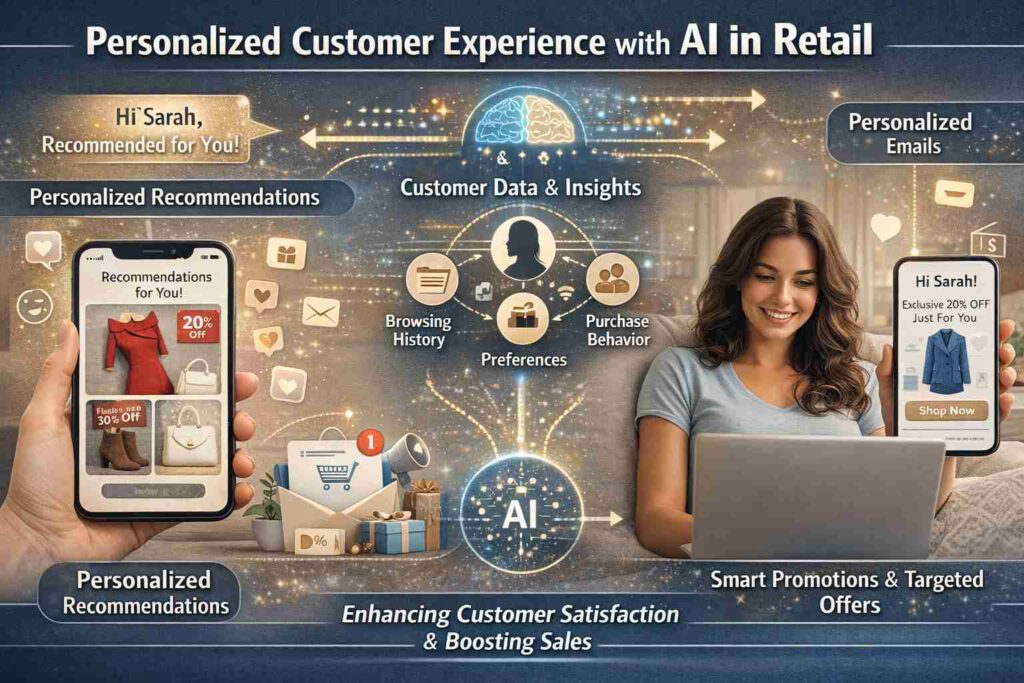
One of the most valuable benefits of AI in Retail is personalized customer experience. Today’s shoppers expect brands to understand their needs and preferences. AI helps retailers analyze customer data, browsing history, purchase behavior, and interests to provide tailored recommendations. When customers visit an online store, AI can suggest products they are most likely to buy. This increases customer satisfaction and boosts conversion rates. Personalized emails, smart promotions, and targeted offers are also possible through AI in Retail, making every customer interaction more relevant and meaningful.
Smart Inventory Management Using AI in Retail
Managing inventory is one of the biggest challenges in retail, and AI in Retail provides an effective solution. AI systems can predict demand based on historical sales data, seasonal trends, weather patterns, and customer behavior. This helps retailers maintain the right stock levels and avoid overstocking or stock shortages. Smart inventory management reduces waste, saves storage costs, and ensures products are available when customers need them. With AI in Retail, businesses can improve supply chain efficiency and increase operational accuracy.
AI in Retail for Better Pricing Strategies
Pricing plays a major role in customer buying decisions. AI in Retail helps businesses create dynamic pricing strategies based on competitor prices, market demand, customer preferences, and buying trends. Instead of manually adjusting prices, AI tools can automatically optimize pricing in real time. This helps retailers stay competitive while maximizing profit margins. For example, eCommerce stores can use AI to offer discounts at the right time or adjust prices during peak shopping seasons. Smart pricing is becoming a key advantage of AI in Retail.
Customer Support and Chatbots in AI in Retail
Excellent customer support is essential for retail success, and AI in Retail is improving this area through chatbots and virtual assistants. AI-powered chatbots can answer customer questions instantly, help track orders, recommend products, and solve common issues 24/7. This reduces waiting times and improves customer satisfaction. Retailers also save money by automating repetitive support tasks. Whether customers shop online or through mobile apps, AI in Retail ensures faster and more convenient support services.
Fraud Detection and Security with AI in Retail
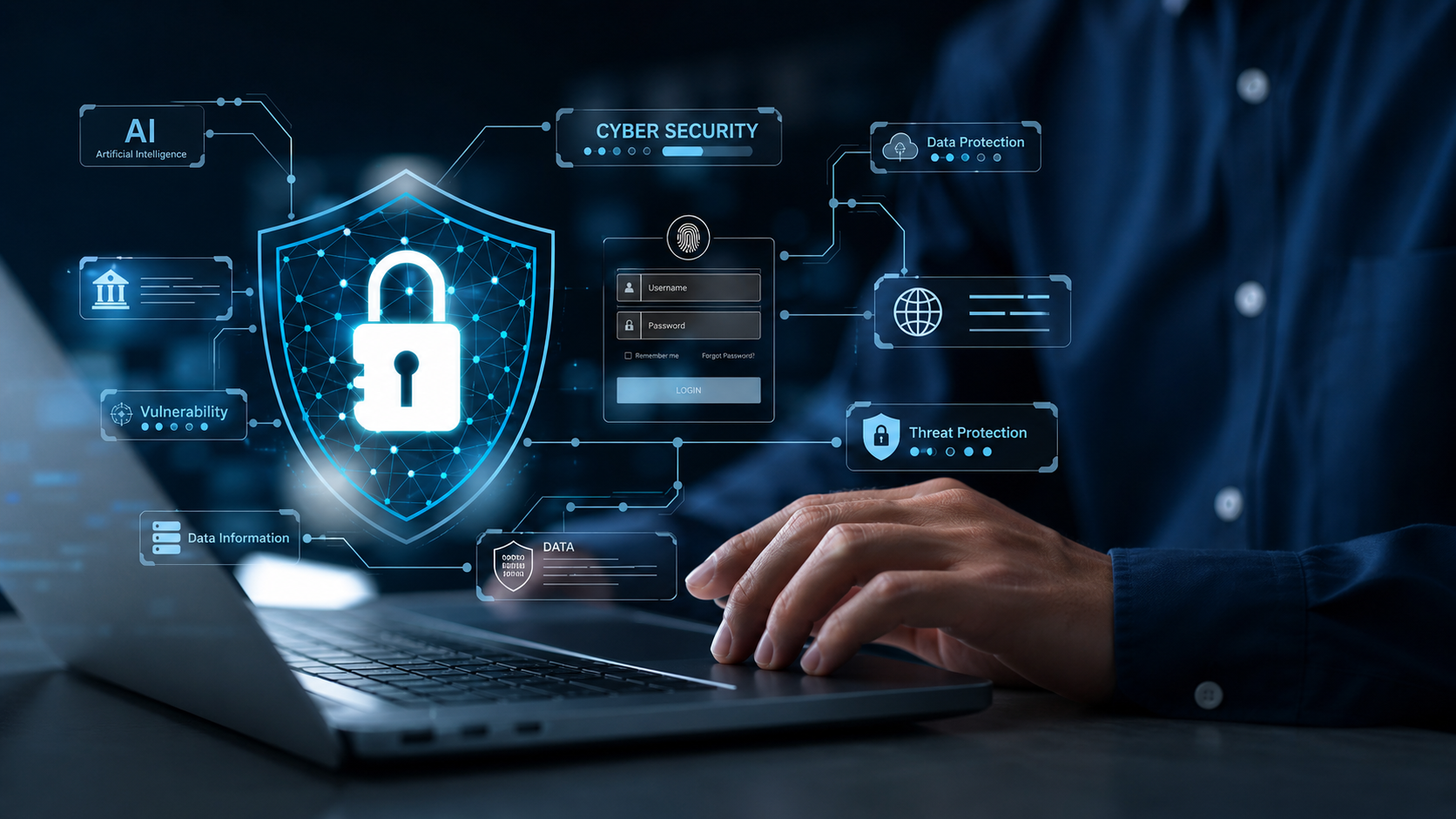
Security is another important area where AI in Retail delivers strong value. Retailers often face issues such as payment fraud, fake returns, and suspicious transactions. AI systems can detect unusual behavior patterns in real time and alert businesses before losses occur. Machine learning algorithms continuously improve by learning from new fraud attempts. In physical stores, AI-powered surveillance systems can help identify theft or suspicious activity. By strengthening security measures, AI in Retail protects both businesses and customers.
AI in Retail for Visual Search and Smart Shopping
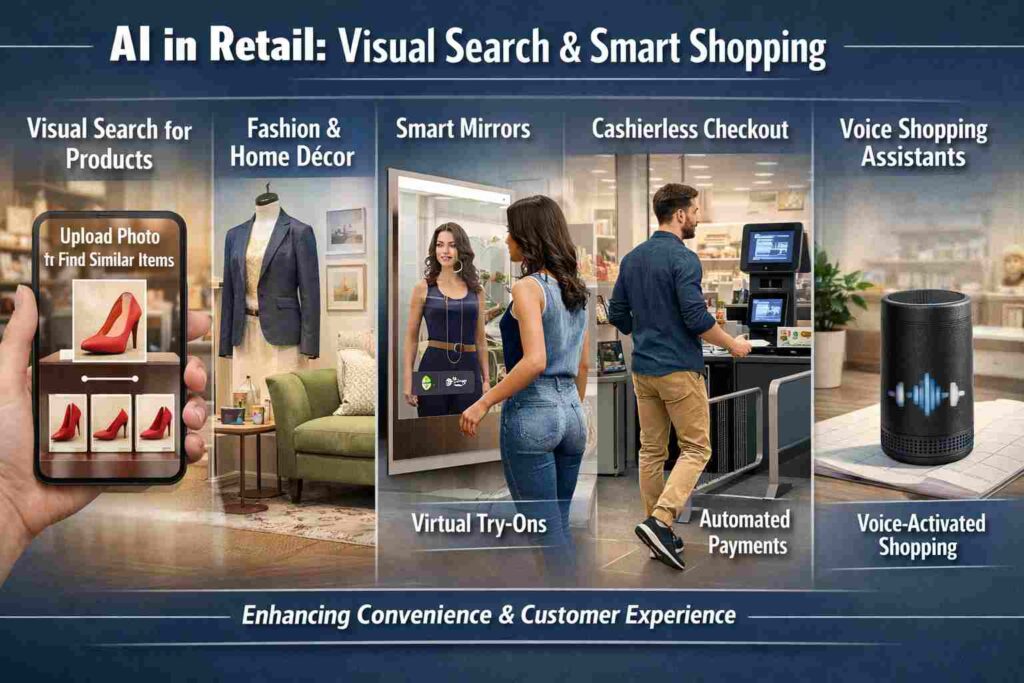
Modern customers want easier ways to find products, and AI in Retail makes this possible through visual search technology. Shoppers can upload an image of a product they like, and AI systems can identify similar products available in the store. This feature is especially useful in fashion, furniture, and home décor retail. AI also powers smart mirrors, cashier-less checkout systems, and voice shopping assistants. These innovations improve convenience and create a more engaging shopping experience. As a result, AI in Retail is reshaping how consumers interact with brands.
Demand Forecasting and Sales Prediction in AI in Retail
Predicting future demand is critical for retail planning, and AI in Retail offers highly accurate forecasting tools. AI analyzes market trends, previous sales data, promotions, customer sentiment, and external factors to predict future sales patterns. Retailers can use these insights to prepare stock, schedule staff, and launch marketing campaigns more effectively. Accurate forecasting reduces risks and helps businesses make better strategic decisions. This is why many companies are investing heavily in AI in Retail solutions.
AI in Retail for Omnichannel Shopping
Customers today shop through websites, mobile apps, social media, and physical stores. Managing all these channels can be complex, but AI in Retail helps create a smooth omnichannel experience. AI tracks customer journeys across multiple platforms and ensures consistent communication, promotions, and product availability. For example, a customer may browse online and purchase in-store. AI connects these touchpoints to create a seamless shopping journey. Businesses using AI in Retail can build stronger relationships with customers across every channel.
Benefits of AI in Retail
The advantages of AI in Retail are extensive. Retailers can reduce operational costs, improve efficiency, increase sales, enhance customer loyalty, and make smarter decisions through data insights. AI also allows businesses to scale operations without significantly increasing staff or expenses. For customers, AI creates faster service, personalized recommendations, easier shopping experiences, and better product availability. These combined benefits make AI in Retail one of the most powerful technologies in the industry today.
Challenges of Implementing AI in Retail
Although AI in Retail offers many benefits, there are also challenges. Some businesses may face high setup costs, data privacy concerns, system integration issues, and employee training needs. Small retailers may struggle with budget limitations or lack of technical expertise. However, as AI tools become more affordable and user-friendly, adoption is growing rapidly. Businesses that plan carefully and invest wisely can overcome these challenges and unlock the full potential of AI in Retail.
Future of AI in Retail
The future of AI in Retail looks extremely promising. As technology advances, we can expect smarter stores, better automation, hyper-personalized shopping, robotic fulfillment centers, and advanced predictive analytics. Voice commerce, augmented reality, and AI-driven sustainability solutions will also become more common. Retailers that embrace innovation early will lead the next generation of commerce. In the coming years, AI in Retail will not just be an option—it will become a necessity for growth and success.
Conclusion
AI in Retail is revolutionizing the way businesses sell products and serve customers. From personalized experiences and inventory management to pricing strategies and fraud detection, AI is delivering measurable value across the entire retail ecosystem. As competition increases, retailers must adopt smarter technologies to stay relevant and profitable. Whether you run a small online store or a global retail chain, investing in AI in Retail can help you achieve long-term success in the digital age.
Leave a Reply