
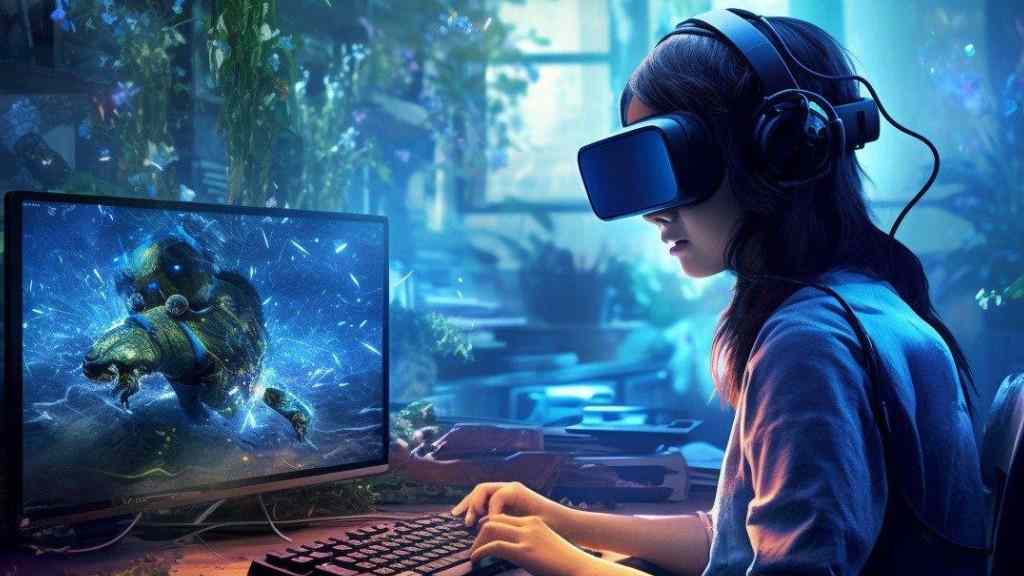
Artificial Intelligence (AI) in gaming refers to the use of intelligent algorithms to create responsive, adaptive, and realistic behaviors in video games. It’s what makes non-player characters (NPCs) act smartly, games adjust difficulty according to your skills, and entire virtual worlds feel alive. AI transforms games from static experiences into dynamic adventures, making them more immersive and enjoyable.
Absolutely! Let’s expand each point so your blog reads more deeply and engages your audience:
Benefits of AI in Gaming
Here are the top 5 benefits of using AI in games:
1. Enhanced Player Experience
AI in gaming can adapt challenges according to a player’s skill level. For example, if you are a beginner, AI can make the game slightly easier, allowing you to learn without frustration. For advanced players, AI can increase difficulty to keep the game exciting. This dynamic balancing keeps players engaged, reduces boredom, and ensures the game feels rewarding no matter your skill level. Games like Left 4 Dead use AI “Directors” to adjust enemy spawns and tension, making each playthrough unique.
2. Smarter NPCs
Non-player characters (NPCs) are no longer predictable or static. AI allows NPCs to react intelligently to a player’s actions. Enemies may coordinate attacks, flee when outnumbered, or strategize to challenge the player. Allies can provide assistance in smarter ways, like healing or defending critical points. This creates a more realistic, immersive world where characters feel like they “live” within the game rather than just following a preset script.
3. Procedural Content Generation
AI can automatically create game environments, levels, or quests. This is known as procedural content generation. For instance, in games like No Man’s Sky, AI algorithms generate entire planets with unique terrain, creatures, and ecosystems. This not only saves developers countless hours of manual design but also gives players nearly endless variety, making each game experience unique and unpredictable.
4. Improved Game Testing
AI in Gaming before a game hits the market, it must be thoroughly tested for bugs, balance, and performance. AI-powered testing bots can play games non-stop, simulating thousands of scenarios that humans could never accomplish. These bots can detect glitches, optimize level design, and even identify potential exploits. This ensures higher-quality games with fewer issues, faster releases, and a smoother experience for players.
5. Personalized Gaming
AI can track a player’s behavior, choices, and preferences over time. Based on this data, games can recommend quests, challenges, or in-game items tailored to each player. For example, if you prefer stealth missions, AI might present more opportunities for stealth-based gameplay. Similarly, in free-to-play games, AI can suggest purchases that match your play style. This personalization creates a deeper connection between the player and the game, making it feel like the experience was designed specifically for you.
Types of AI in Gaming
1. Reactive Machines
AI in Gaming reactive AI is the simplest form of game AI. It doesn’t have memory or the ability to learn from past experiences; it simply reacts to the player’s actions in real time. For example, in classic arcade games like Pac-Man, ghosts chase the player following set patterns. They don’t remember previous moves or adapt strategies—they just respond instantly to what you do. While basic, reactive AI is great for fast-paced games where predictable but challenging behavior is needed.
2. Limited Memory AI
Limited Memory AI in Gaming can observe past actions and use them to make better decisions. This type of AI remembers player behavior for a short period, allowing it to adapt its strategy during the game. For instance, in strategy games like StarCraft II, AI opponents can analyze your tactics and adjust their attacks accordingly, creating a more challenging and dynamic experience. This makes games feel less predictable and more immersive, as the AI “learns” from your moves.
3. Goal-Oriented AI
Goal-oriented AI in Gaming focuses on achieving specific objectives rather than just reacting. It evaluates the current game state and plans its actions to meet predefined goals. This is common in role-playing games (RPGs) and adventure games, where NPCs may need to complete missions, protect certain areas, or hunt the player strategically. For example, in The Elder Scrolls V: Skyrim, AI-driven enemies may coordinate ambushes, retreat to regroup, or prioritize attacking the player based on in-game objectives. This adds depth and realism to game worlds.
4. Procedural AI
Procedural AI is used to generate content dynamically rather than relying entirely on pre-made assets. It can create entire game environments, levels, quests, or challenges on the fly. Games like Minecraft and No Man’s Sky use procedural AI in Gaming to build endless worlds, ensuring that every player’s experience is unique. Procedural AI also reduces development time and allows for massive, explorable game universes that would be impossible to craft manually.
5. Neural Network-Based AI
Neural network AI is inspired by the human brain and is capable of learning, adapting, and evolving over time. Unlike other AI types, it can improve its performance based on player behavior and even develop new strategies. For example,AI in Gaming in AlphaStar (the StarCraft II AI by DeepMind) learned to master the game through trial and error, developing advanced tactics beyond human strategies. In gaming, this technology promises truly evolving worlds and NPCs that can adapt to players in ways never seen before.
Absolutely! Let’s dive deeper into each of these innovations to make your blog engaging and informative:
Top 5 Innovations of AI in the Gaming Industry
1. Dynamic Storytelling
AI-driven narrative engines allow games to react intelligently to player choices, creating unique story experiences. For example, in Detroit: Become Human, the AI monitors every decision the player makes and adapts the story accordingly. No two playthroughs are identical—characters may live or die, relationships change, and outcomes vary based on your actions. This level of personalization makes games feel like interactive movies where the player truly influences the narrative. Dynamic storytelling also increases replayability, encouraging players to explore different paths and endings.
2. Advanced NPC Behavior
AI has revolutionized how NPCs (non-player characters) behave in games. Instead of following predictable patterns, NPCs can react realistically to player actions and their environment. In The Last of Us Part II, enemies coordinate in groups, take cover, flank the player, and adapt to changing situations. Allies can also act strategically, helping the player or reacting intelligently during combat. This creates a more immersive and lifelike gaming world, where every encounter feels challenging and unpredictable.
3. Procedural World Generation
Procedural AI allows games to automatically create vast, unique worlds, reducing the need for manual design. Minecraft and No Man’s Sky use procedural algorithms to generate terrain, structures, and ecosystems, making each player’s experience unique. This innovation not only saves developers time but also ensures endless exploration opportunities for players. Imagine discovering a planet or dungeon that no one else has ever seen—procedural AI makes this possible and keeps players constantly engaged.
4. AI Game Testing
Testing is one of the most time-consuming parts of game development, but AI is changing that. AI bots can simulate thousands of scenarios, identify bugs, and analyze gameplay balance far faster than human testers. This helps developers release higher-quality games with fewer glitches and optimized performance. AI testing also allows developers to experiment with more complex mechanics, knowing that the AI in Gaming can thoroughly vet them before release. This reduces costs and accelerates development cycles significantly.
5. AI-Enhanced Graphics and Animation
AI is increasingly used to enhance visuals and animations in real-time. For example, AI can improve lighting, textures, and character animations to make environments more realistic. Some AI algorithms even upscale graphics or generate realistic motion from minimal input, which helps older games look modern or allows smaller studios to produce high-quality visuals. In the future, AI could create fully lifelike game worlds without extensive manual animation, bridging the gap between games and cinematic experiences.
What are the most popular AI Games?
Artificial intelligence has transformed the world of gaming, creating smarter opponents, dynamic worlds, and immersive experiences. Here’s a list of 40 must-play AI-powered games that every gamer should try right now.
The Last of Us Part II – Realistic NPC behavior and advanced combat AI.
Detroit: Become Human – Dynamic storylines driven by player choices.
Cyberpunk 2077 – Adaptive AI traffic, NPC interactions, and quest design.
The Witcher 3: Wild Hunt – Smart enemies and immersive world simulation.
Red Dead Redemption 2 – AI-driven ecosystems and character interactions.
Minecraft – Procedural world generation with endless exploration.
No Man’s Sky – AI-generated planets, creatures, and landscapes.
Left 4 Dead 2 – AI Director adapts enemy spawns and pacing dynamically.
StarCraft II – AI learns and adapts to player strategies in real time.
Civilization VI – Strategic AI opponents with evolving tactics.
AlphaStar (StarCraft II AI) – Advanced neural network AI gameplay.
F.E.A.R. – Intelligent enemy AI that uses cover and flanking tactics.
Halo: Combat Evolved – Classic AI for enemy coordination and tactics.
Overwatch 2 – AI bots simulate player behavior for training and gameplay.
The Sims 4 – AI simulates human-like behaviors and daily routines.
Spore – AI-driven creature evolution and behavior simulation.
Total War: Warhammer II – AI controls armies and adapts strategies in battles.
Hitman 3 – AI guards and NPCs react dynamically to player actions.
Assassin’s Creed Valhalla – AI-driven enemy patrols and realistic crowd behaviors.
Far Cry 6 – Adaptive AI that responds to stealth or combat tactics.
Dishonored 2 – NPCs react intelligently to player’s stealth or combat style.
Ghost of Tsushima – AI enhances enemy combat behavior and world immersion.
Monster Hunter: World – AI monsters learn from player tactics.
XCOM 2 – Turn-based AI with adaptive enemy strategies.
Battlefield 2042 – AI bots replicate human-like tactics for training.
Warcraft III: Reforged – Advanced AI for RTS gameplay.
SimCity (2013) – AI-driven city simulation and dynamic economy.
Minecraft Dungeons – Procedural dungeon generation with adaptive enemy AI.
Halo Infinite – AI enemies and allies with strategic decision-making.
CyberConnect2’s Naruto Games – AI-driven combat and NPC reactions.
Shadow of Mordor – Nemesis system creates AI-driven enemy rivalries.
Shadow of War – AI enemies remember interactions and adapt over time.
Elite Dangerous – AI-driven galactic economy, factions, and encounters.
Watch Dogs: Legion – AI citizens with unique behaviors and choices.
Planet Zoo – AI animals exhibit natural behaviors and interactions.
FIFA 24 – AI-controlled players adapt to your strategies on the field.
NBA 2K24 – AI opponents learn and respond to player tactics.
League of Legends – AI bots simulate human-like strategies for practice.
Dota 2 – AI-driven tutorials and bots that adapt to player skills.
AlphaGo-inspired Puzzle Games – AI-driven challenges based on learning algorithms.
Absolutely! Here’s a detailed and engaging elaboration of The Future of AI in the Gaming Industry for your blog:
The Future of AI in the Gaming Industry
Artificial Intelligence is transforming the gaming world, and the next decade promises innovations that will change how we play, create, and experience games. Here’s what the future of AI in gaming looks like:
1. Hyper-Personalized Games
AI will make games that adapt entirely to individual players. Imagine a game that observes your playstyle, choices, and preferences, then dynamically adjusts the story, difficulty, and even the in-game world just for you. For example, stealth players might encounter more strategic challenges, while action-focused players face faster-paced combat scenarios. Hyper-personalization ensures every player’s journey feels unique and deeply engaging, increasing replayability and long-term interest in games.
2. Fully Immersive Worlds
Future AI will create environments that react intelligently to your actions. NPCs will remember your decisions, ecosystems will change dynamically, and cities or worlds will evolve naturally over time. For example, if you help one faction, other factions may respond differently, altering quests, alliances, and storylines. These AI-driven worlds will feel alive, making the boundary between virtual and real-world experiences blur like never before.
3. AI-Generated Games
We are moving toward a future where entire games may be created by AI in Gaming with minimal human input. Procedural content, storylines, characters, and even quests could be generated automatically, cutting development time and costs drastically. Indie developers and studios could produce high-quality games with smaller teams, while players might even customize AI to generate games tailored to their specific tastes. This could lead to endless new worlds and experiences at an unprecedented scale.
4. Enhanced VR/AR Experiences
AI will significantly improve Virtual Reality (VR) and Augmented Reality (AR) games. AI can make VR worlds smarter, with characters that learn and react naturally, environments that adapt to player behavior, and challenges that feel real and immersive. In AR, AI could integrate gameplay seamlessly with the real world, creating interactive experiences where the game adapts dynamically to your surroundings, movements, and actions. This is the next step toward fully immersive and believable gaming experiences.
5. Esports and Competitive Gaming
AI will revolutionize competitive gaming by enhancing training, strategy analysis, and matchmaking. AI systems can analyze player performance, suggest improvements, and simulate opponents with advanced tactics. This allows professional players and teams to train more efficiently. Additionally, AI-powered matchmaking ensures fairer competitions by balancing skill levels more accurately, making esports more competitive and engaging for both players and fans.
Blog
This section provides an overview of the blog, showcasing a variety of articles, insights, and resources to inform and inspire readers.
-
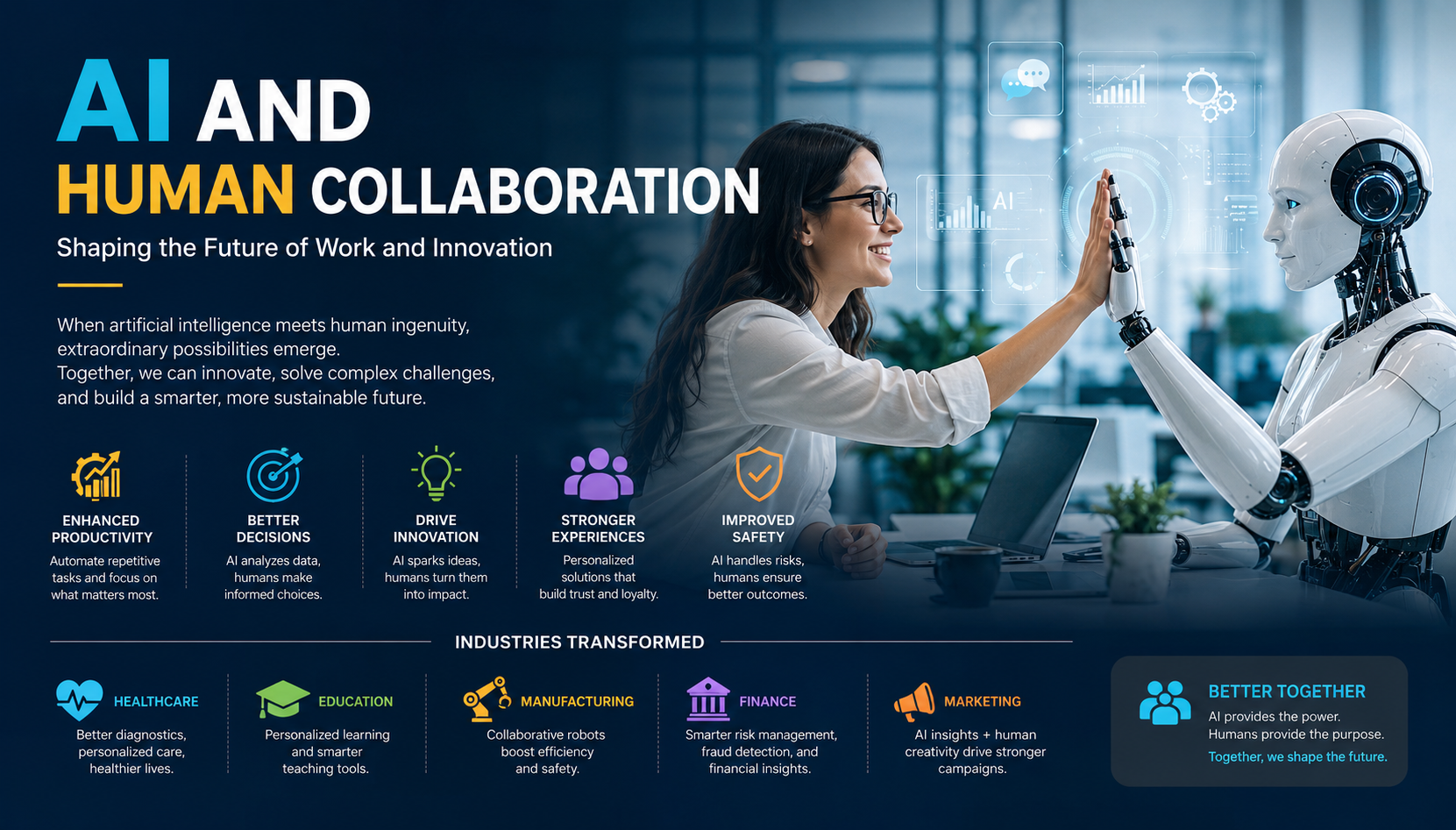
AI and Human Collaboration: Shaping the Future of Work and Innovation
AI and Human Collaboration: Artificial Intelligence (AI) is no longer a futuristic concept limited to science fiction movies. Today, AI has become a powerful force transforming industries, businesses, and daily life. From…
-
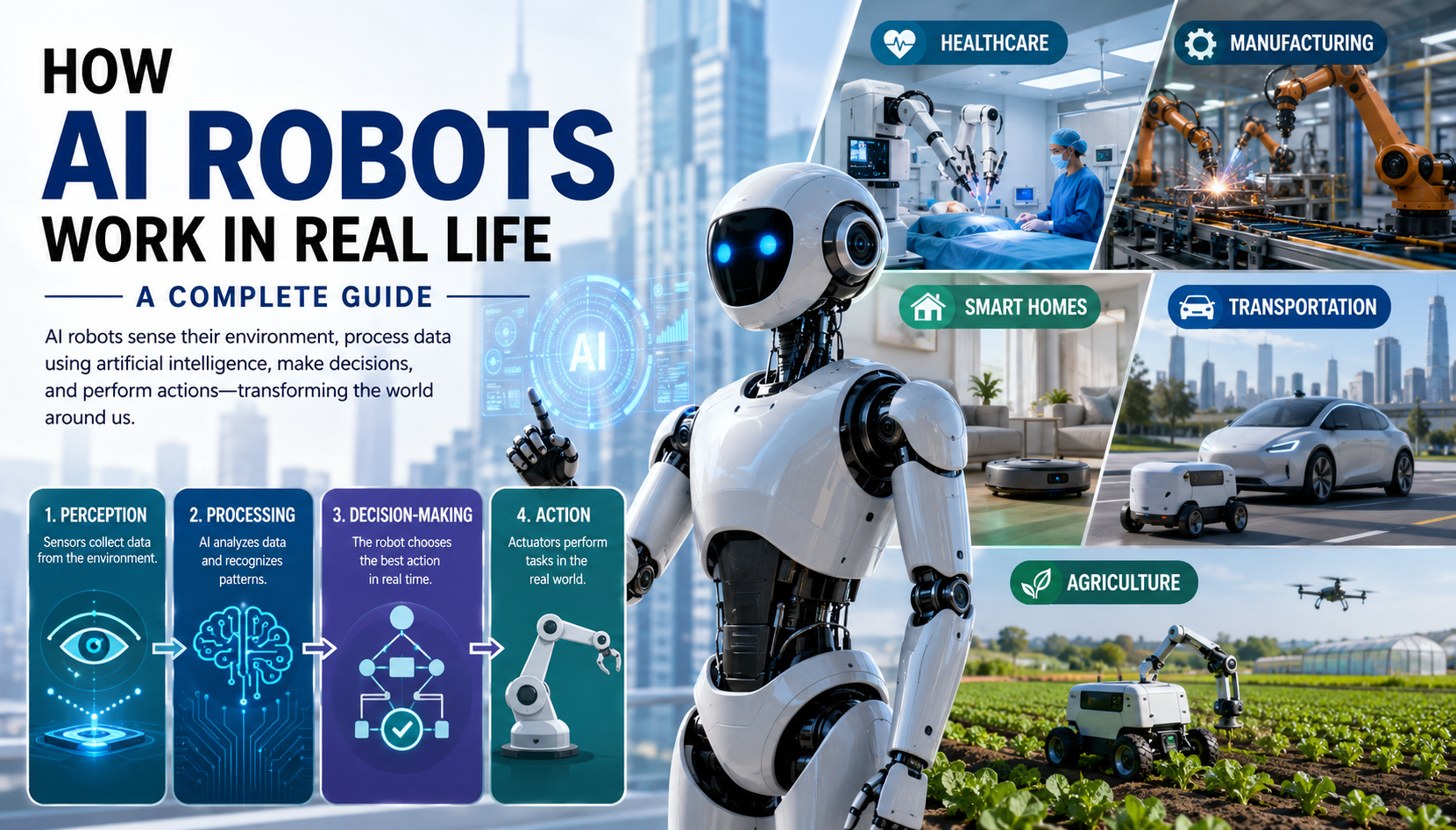
How AI Robots Work in Real Life: A Complete Guide
The idea of robots powered by artificial intelligence once belonged only to science fiction. Today, however, AI robots work in real life across industries, quietly transforming how we live, work, and interact…
-

The Power of AI in Cybersecurity: Smarter Defense, Key Benefits & What’s Next
AI in Cybersecurity has become one of the most critical concerns for organizations in the digital age. As cyber threats grow more sophisticated, traditional security approaches often struggle to keep up. Artificial…

Leave a Reply