
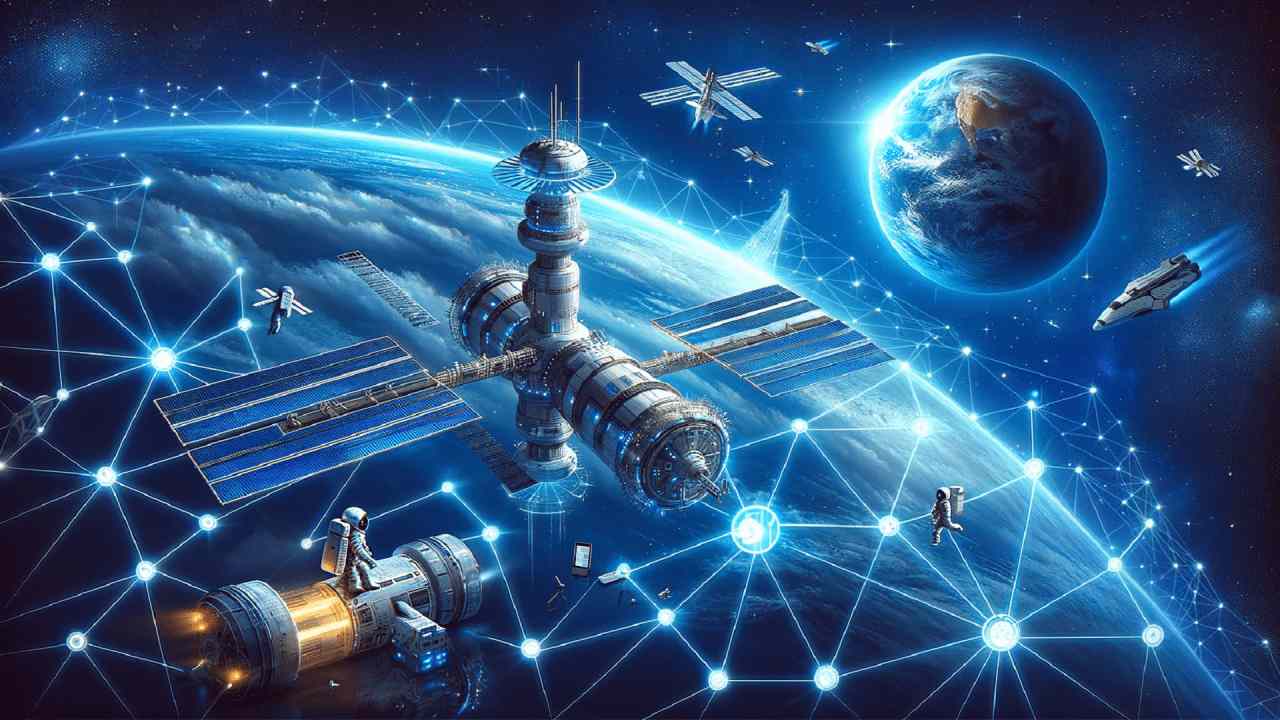
Space has always fascinated humanity—the endless mysteries of planets, stars, and galaxies ignite our curiosity and drive us to explore the unknown. But venturing into the cosmos comes with immense challenges: harsh environments, extreme distances, and massive amounts of data that are impossible for humans to process alone. This is where Artificial Intelligence (AI) steps in. By combining smart algorithms, machine learning, and autonomous systems, AI is revolutionizing space exploration—making missions safer, faster, and more efficient than ever before. From guiding rovers on Mars to analyzing distant galaxies, AI is becoming humanity’s indispensable partner in the quest to understand the universe.
Absolutely! Here’s a more detailed and elaborated version of your “Uses of Artificial Intelligence In Space Exploration” section, keeping it blog-friendly and engaging:
Uses of Artificial Intelligence In Space Exploration
Artificial Intelligence is rapidly transforming the way we explore space. From deep-space missions to data analysis, AI plays a vital role in enhancing the efficiency, safety, and success of modern space exploration. Here are some key ways AI is being used:
1. Autonomous Spacecraft Operations
Space missions often operate millions of miles away from Earth, which means real-time communication is nearly impossible. For example, signals to Mars can take between 5 to 20 minutes to reach a rover. AI enables spacecraft to make decisions independently, allowing them to adjust their course, avoid hazards, or carry out scientific experiments without waiting for instructions from Earth. This autonomy is crucial for deep-space exploration and missions to distant planets or asteroids.
2. Data Analysis
Every space mission generates enormous amounts of data, from high-resolution telescope images to planetary surface scans. Manually processing this data would take decades. AI algorithms can quickly analyze and interpret data, spotting patterns, anomalies, and points of interest that humans might miss. For instance, AI can detect unusual geological formations on Mars, identify potential exoplanets, or flag cosmic phenomena in telescope data—all in real time.
3. Navigation and Guidance
Navigating through space is complex, requiring precise calculations to avoid collisions with asteroids, space debris, or other spacecraft. AI assists in trajectory planning, course corrections, and obstacle avoidance, optimizing fuel usage and mission timelines. With AI-driven guidance systems, spacecraft can adapt dynamically to changing conditions, ensuring safer and more efficient journeys through the cosmos.
4. Predictive Maintenance
Spacecraft are expensive and vulnerable to technical failures, which could jeopardize entire missions. AI-powered monitoring systems can predict equipment malfunctions before they happen by analyzing sensor data in real time. This allows engineers to take corrective measures remotely, increasing the safety and longevity of missions while significantly reducing operational costs.
Here’s a more detailed, blog-friendly elaboration of your “Benefits of AI in Space Exploration” section:
Benefits of AI in Space Exploration
Artificial Intelligence is not just a technological upgrade for space missions—it’s a game-changer. By integrating AI into space exploration, scientists and engineers are able to overcome complex challenges, improve mission outcomes, and unlock new possibilities. Here are some of the most significant benefits:
1. Enhanced Efficiency
Space missions generate massive amounts of data—from satellite imagery to signals from distant planets. Analyzing this manually would take years, slowing down scientific progress. AI algorithms can process and interpret data at incredible speeds, allowing scientists to quickly identify patterns, detect anomalies, and make discoveries faster than ever. For example, AI can analyze telescope images to spot new exoplanets or study cosmic events in real time, accelerating the pace of space research.
2. Reduced Human Risk
Space is an extremely hostile environment, with radiation, extreme temperatures, and zero gravity posing serious threats to human life. AI-powered robots, rovers, and spacecraft can perform dangerous tasks autonomously, such as landing on asteroids, exploring distant planets, or conducting experiments in extreme conditions. By taking on these high-risk roles, AI helps protect astronauts and reduce the likelihood of mission failures caused by human exposure.
3. Optimized Decision-Making
Planning a space mission involves countless variables and unpredictable risks. AI and machine learning models can analyze historical mission data, simulate potential scenarios, and predict risks before they occur. This allows engineers to make informed decisions about spacecraft design, trajectories, and mission operations, ultimately increasing the success rate of complex missions and minimizing unexpected setbacks.
4. Cost-Effectiveness
Space exploration is expensive, and missions often require continuous monitoring and human oversight. AI can automate routine tasks, monitor spacecraft systems in real time, and even perform maintenance predictions, reducing the need for constant human intervention. This automation not only saves money but also frees up human experts to focus on high-level mission planning and scientific discovery.
Here’s a detailed and engaging elaboration of your “Tackling Space Challenges” section for a blog:
Tackling Space Challenges with AI
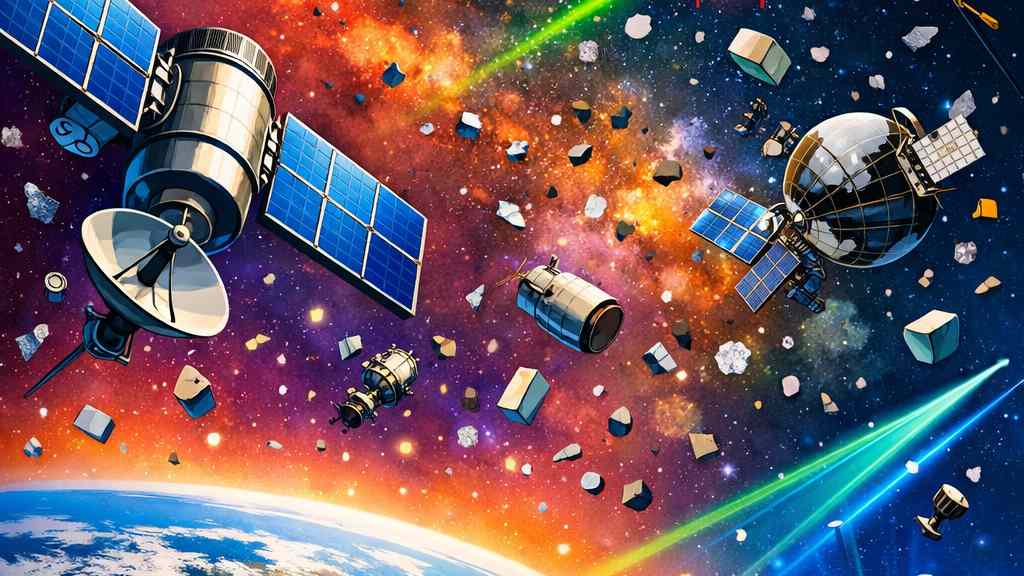
Space exploration is one of the most complex and demanding endeavors humanity has ever undertaken. From the vast distances between planets to the harsh conditions of extraterrestrial environments, missions face numerous obstacles that can put both equipment and astronauts at risk. Artificial Intelligence (AI) is becoming an essential tool in overcoming these challenges and ensuring successful exploration.
1. Autonomous Decision-Making
One of the biggest challenges in space is communication delay. Signals from Earth can take anywhere from a few minutes (like Mars) to several hours (like Jupiter or beyond) to reach spacecraft. During this delay, waiting for instructions could compromise the mission. AI allows spacecraft and rovers to make autonomous decisions in real time, such as navigating difficult terrain, avoiding obstacles, or responding to unexpected situations. This autonomy is critical for deep-space missions where human intervention is not immediately possible.
2. AI-Driven Simulations for Hazard Prediction
Space missions encounter unpredictable environmental hazards, such as meteor showers, dust storms, or unstable planetary surfaces. AI can run advanced simulations to anticipate potential threats and plan safer mission paths. For example, AI models can predict the safest landing zones on the Moon or Mars by analyzing surface conditions, slopes, and obstacles, reducing the risk of mission failure and protecting expensive equipment.
3. Analyzing Remote Sensing Data
Exploring unknown celestial bodies requires accurate mapping and data interpretation. AI excels at analyzing remote sensing data collected from satellites, orbiters, and landers. By processing this data, AI can detect promising landing sites, identify natural resources, and map terrain features that would be too complex or time-consuming for humans to analyze manually. This capability not only improves mission safety but also enables better planning for long-term exploration and potential colonization efforts.
Role of AI and Machine Learning in NASA’s Missions
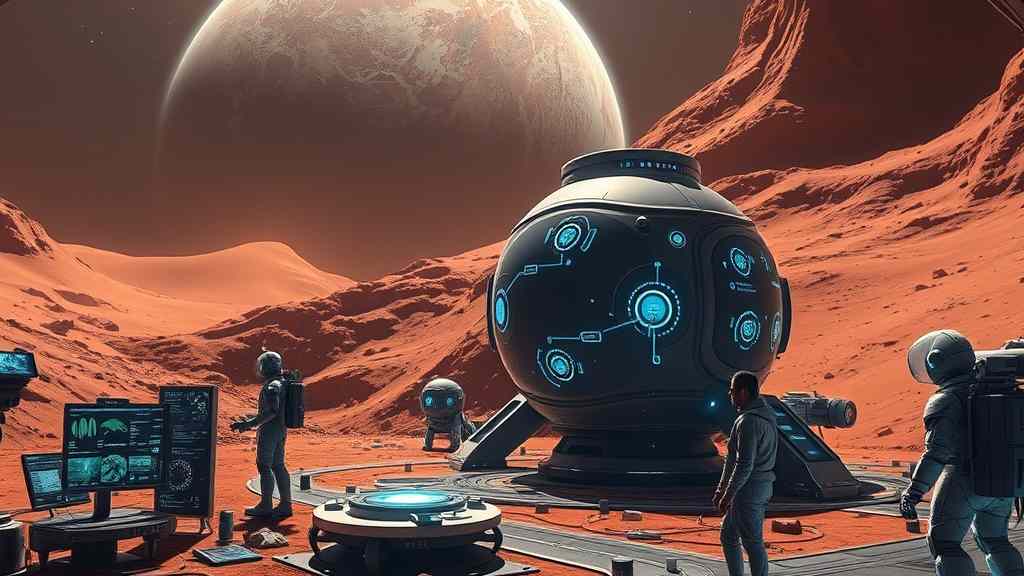
NASA has been at the forefront of implementing AI and machine learning in its missions. Examples include:
- Mars Rovers: AI helps rovers like Perseverance autonomously navigate the Martian surface, avoiding obstacles while identifying scientifically interesting rocks.
- Space Telescopes: AI algorithms sift through data from the Hubble and James Webb Space Telescopes to detect distant galaxies and exoplanets.
- Mission Planning: Machine learning models optimize scheduling and resource allocation for long-term missions, such as lunar exploration programs.
AI-Powered Spacecraft
The future of space exploration heavily relies on AI-powered spacecraft. These intelligent machines can:
- Perform complex maneuvers autonomously.
- Adapt to unforeseen challenges in real time.
- Conduct experiments, collect samples, and transmit analyzed data efficiently.
By integrating AI into spacecraft, humanity can explore farther into space while reducing mission risks and costs.
Conclusion
Artificial Intelligence is no longer just a tool; it is a co-pilot for humanity’s journey into space. From autonomous rovers on Mars to AI-driven telescopes scanning the universe, AI is tackling challenges that were once thought insurmountable. As technology advances, AI will continue to play a pivotal role in uncovering the mysteries of the cosmos, making space exploration safer, faster, and more efficient than ever before.
Blog
This section provides an overview of the blog, showcasing a variety of articles, insights, and resources to inform and inspire readers.
-
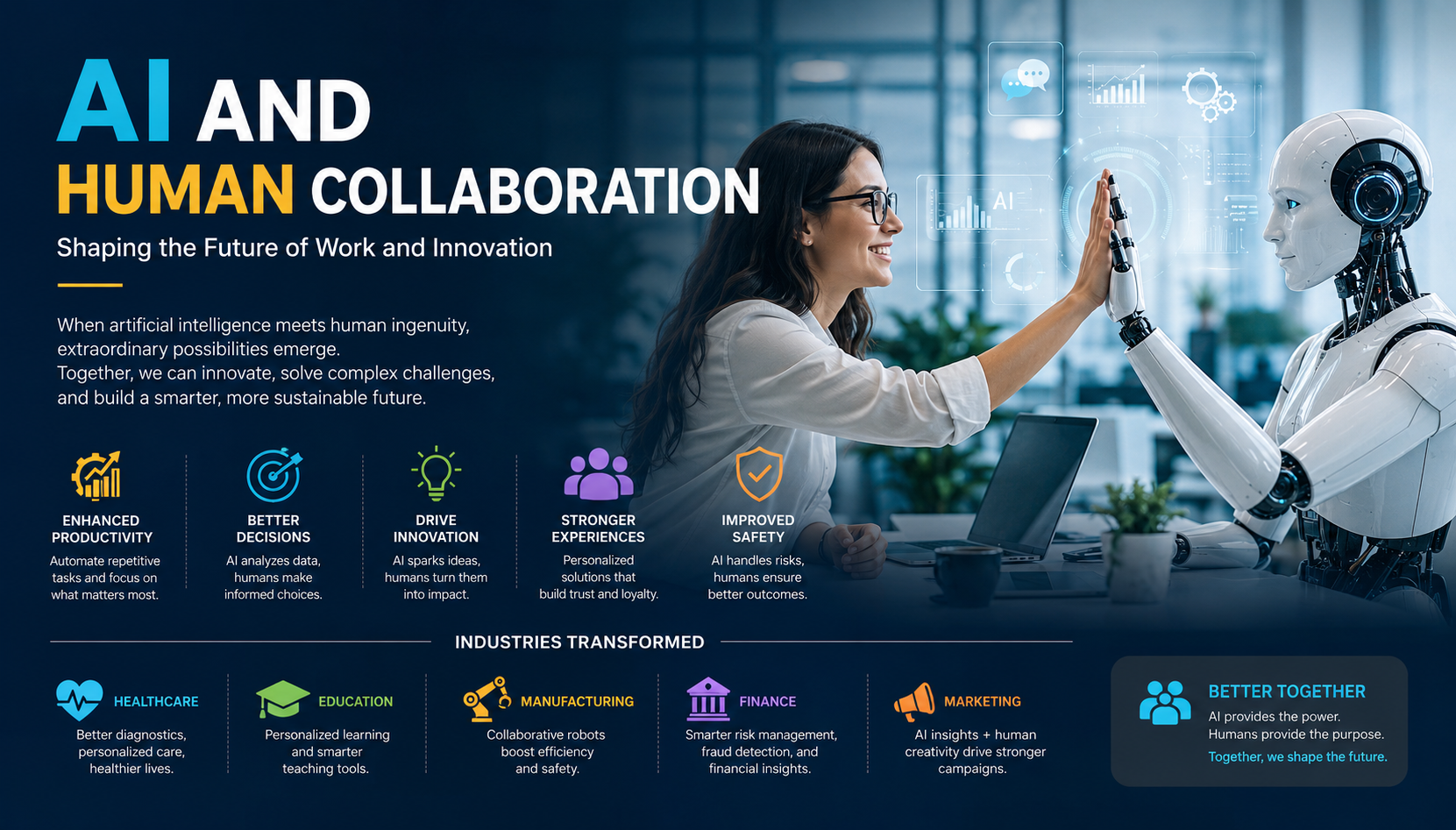
AI and Human Collaboration: Shaping the Future of Work and Innovation
AI and Human Collaboration: Artificial Intelligence (AI) is no longer a futuristic concept limited to science fiction movies. Today, AI has become a powerful force transforming industries, businesses, and daily life. From…
-
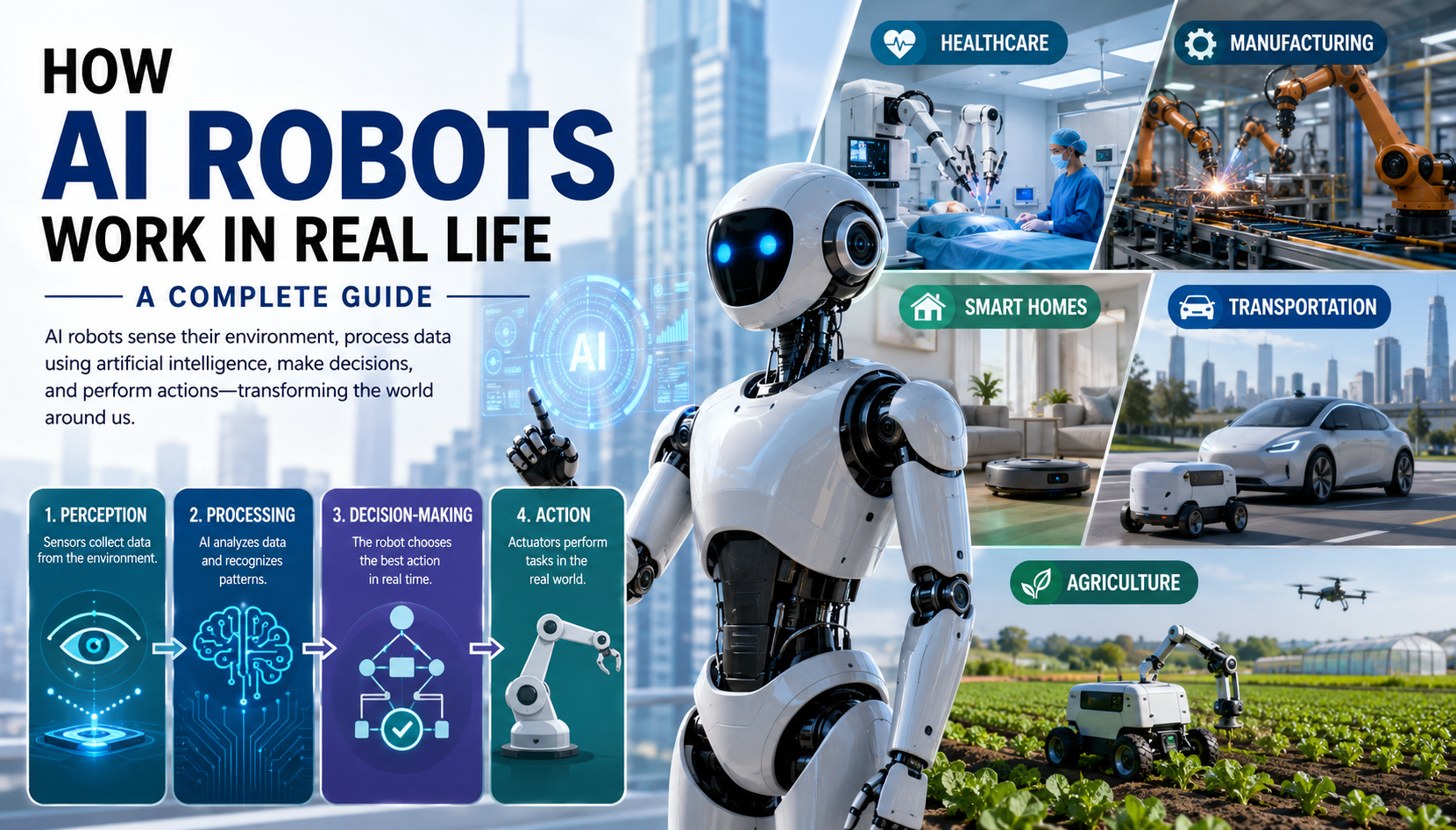
How AI Robots Work in Real Life: A Complete Guide
The idea of robots powered by artificial intelligence once belonged only to science fiction. Today, however, AI robots work in real life across industries, quietly transforming how we live, work, and interact…
-

The Power of AI in Cybersecurity: Smarter Defense, Key Benefits & What’s Next
AI in Cybersecurity has become one of the most critical concerns for organizations in the digital age. As cyber threats grow more sophisticated, traditional security approaches often struggle to keep up. Artificial…

Leave a Reply