

In today’s fast-paced digital world, AI voice assistants have become an essential part of our daily lives. From helping us set reminders to controlling smart home devices, these intelligent systems make technology more accessible, faster, and more convenient. But what exactly is an AI voice assistant, and how does it work? Let’s dive deep.
What Is an AI Voice Assistant?
An AI voice assistant is a software application powered by artificial intelligence (AI) that can understand human speech, process it, and respond with helpful actions or information. Unlike traditional apps that require typing or clicking, AI voice assistants allow users to interact using natural language.
Examples of AI Voice Assistants:
- Siri – Apple’s assistant for iPhone, iPad, and Mac.
- Alexa – Amazon’s smart home assistant.
- Google Assistant – Found on Android devices and smart speakers.
- Cortana – Microsoft’s productivity-focused assistant.
These assistants are integrated into smartphones, smart speakers, cars, and even appliances, making them an integral part of modern life.
How Do AI Voice Assistants Work?
AI voice assistants rely on several cutting-edge technologies to operate efficiently:
1. Speech Recognition (ASR)
The first step is to understand what the user is saying. Automatic Speech Recognition (ASR) technology converts spoken words into text. This is crucial because computers inherently understand text, not audio.
Example: Saying “Set a reminder for 7 PM” is converted into text that the assistant can process.
2. Natural Language Processing (NLP)
Once the voice is converted to text, Natural Language Processing (NLP) interprets the meaning. NLP allows AI to understand context, intent, and nuances in human language.
Example: If you say “I’m feeling cold,” NLP helps the AI know you might want the thermostat increased.
3. Machine Learning (ML)
AI voice assistants use machine learning to improve over time. Every interaction helps the system learn user preferences, speech patterns, and habits. This is why your AI assistant gets better at understanding you the more you use it.
Example: Google Assistant may learn you prefer your morning news from a specific channel and automatically provide it.
4. Text-to-Speech (TTS)
After processing the request, the AI responds using Text-to-Speech (TTS) technology, converting digital text back into human-like speech. Modern TTS systems sound almost natural, making interactions smoother and more intuitive.
Example: “Your 7 PM meeting is confirmed” is spoken back to you clearly.
5. Integration With Apps and Devices
AI assistants are powerful because they connect with other apps and devices. This allows them to perform complex tasks like sending messages, controlling smart home gadgets, or searching for information online.
Example: Alexa can turn off lights, play music, and even order groceries with a single command.
Key Features of AI Voice Assistants
AI voice assistants offer a wide range of features that make life easier:
- Hands-Free Operation: Control devices without touching screens.
- Task Management: Set reminders, alarms, and calendar events.
- Information Retrieval: Get weather updates, news, or search results.
- Smart Home Control: Operate lights, thermostats, and appliances.
- Multilingual Communication: Understand and respond in multiple languages.
- Personalization: Learn user habits to provide tailored suggestions.
- Entertainment: Play music, podcasts, or audiobooks on command.
Advantages of AI Voice Assistants
- Convenience: Perform tasks quickly using your voice.
- Accessibility: Assist people with disabilities or vision impairments.
- Efficiency: Automate repetitive tasks, saving time and effort.
- Integration: Work across multiple devices seamlessly.
- Smart Home Automation: Simplify home management and energy usage.
Absolutely! Let’s expand and describe each challenge and limitation of AI voice assistants in detail for clarity:
Challenges and Limitations of AI Voice Assistants
While AI voice assistants offer incredible convenience and efficiency, they are not without challenges. Understanding these limitations can help users make the most of them while staying aware of potential risks.
1. Privacy Concerns
One of the biggest concerns with AI voice assistants is privacy. Most voice assistants are designed to listen for a “wake word” (like “Hey Siri” or “Alexa”) before responding. However, they are technically always listening in the background, which raises concerns:
- Data Collection: Conversations and commands can be recorded and stored to improve the AI, which could be accessed by companies.
- Unauthorized Access: If devices are hacked, sensitive personal information could be exposed.
- Third-Party Sharing: Some data may be shared with advertisers or partner services.
Takeaway: Users should review privacy settings, limit sensitive commands, and be cautious about what information they share.
2. Recognition Errors
AI voice assistants are highly advanced but not perfect. Recognition errors can occur due to:
- Accents and Dialects: AI may misinterpret non-standard pronunciations.
- Background Noise: Crowded or noisy environments make speech recognition less accurate.
- Ambiguous Phrasing: Complex sentences or unclear commands may confuse the assistant.
Example: Saying “Turn the light in the living room” while the TV is loud might result in no action or the wrong action being performed.
Takeaway: Clear speech in a quiet environment improves accuracy, and many assistants allow corrections to learn your voice over time.
3. Limited Context Awareness
AI assistants are improving but still struggle with complex conversations or context. They can handle direct commands easily but may not fully understand:
- Long Conversations: Multi-step requests can confuse the system.
- Ambiguity: Words like “it,” “that,” or “later” may not have clear meaning without context.
- Follow-up Questions: AI may fail to link previous queries with the current one.
Example: Asking, “Remind me to call Sarah after the meeting, and also schedule my lunch” might only process one task correctly.
Takeaway: Break down tasks into simpler, specific commands for better results.
4. Over-Reliance
Relying too much on AI assistants can create unintended consequences:
- Reduced Problem-Solving: People may stop thinking through problems themselves.
- Dependence on Technology: Tasks that once required personal effort may now be delegated entirely to AI.
- Skill Degradation: Over time, users might lose familiarity with manual or traditional ways of performing tasks.
Example: Constantly asking for directions instead of learning routes or memorizing schedules may reduce self-reliance.
Takeaway: Use AI assistants as a helpful tool, but maintain personal skills and awareness to avoid complete dependence.
In short: While AI voice assistants provide convenience, automation, and efficiency, privacy, accuracy, context understanding, and user dependence are challenges that must be managed for safe and effective use.
If you want, I can also rewrite this section in a more reader-friendly blog style with examples and tips—so it feels engaging, practical, and perfect for readers who are new to AI assistants.
Do you want me to do that?
Absolutely! Let’s expand on the future of AI voice assistants and describe each point in detail so it’s clear and engaging for your blog:
The Future of AI Voice Assistants
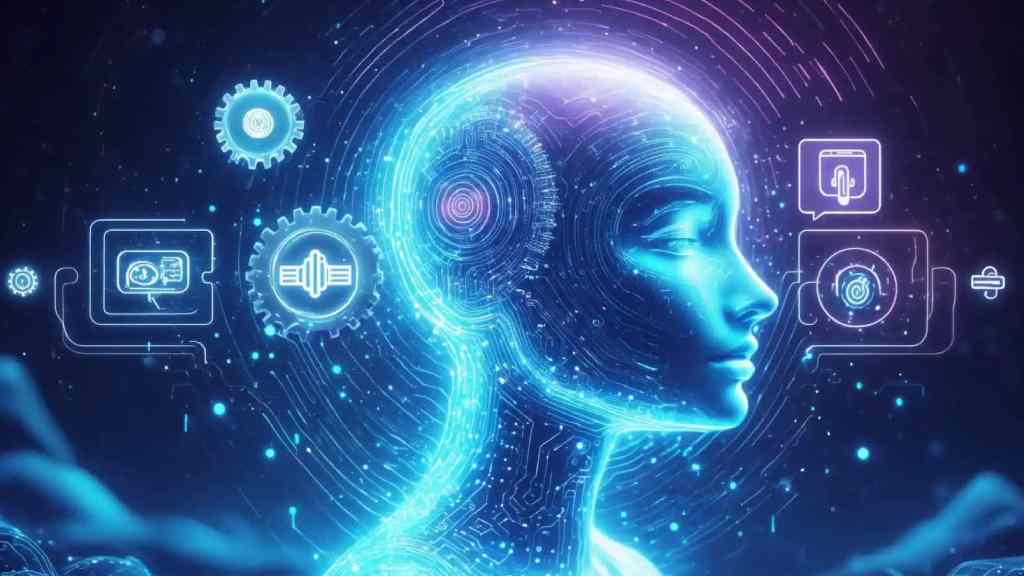
AI voice assistants are evolving rapidly, and the future promises smarter, more intuitive, and human-like interactions. Here’s a closer look at what we can expect:
1. Better Understanding
Future AI voice assistants will be able to grasp context and intent more accurately. Right now, assistants sometimes misinterpret commands or fail to understand follow-up questions.
- Context Awareness: AI will remember previous interactions, making conversations more natural.
- Intent Recognition: It will better understand what users mean, even with ambiguous phrases.
Example: If you say, “Book a table at my favorite restaurant,” the AI will know your usual choice without needing extra details.
Impact: This makes AI interactions feel more like talking to a human assistant rather than a machine.
2. Predictive Assistance
Future AI assistants will be proactive, predicting what you need before you ask. Using machine learning and historical data, they will anticipate your actions.
- Smart Recommendations: Suggest reminders, appointments, or tasks based on your routine.
- Time-Saving Alerts: Notify you of upcoming deadlines or potential conflicts automatically.
Example: If your assistant knows you usually order groceries on Friday, it might suggest adding items to your shopping list midweek.
Impact: This anticipatory behavior increases convenience and efficiency, making the assistant an indispensable personal helper.
3. Deeper Integration
AI voice assistants will connect seamlessly with apps, IoT devices, and other AI services. This means they won’t just respond—they will manage your digital ecosystem.
- Smart Home Control: From lights to locks, AI will manage devices intelligently.
- Cross-Platform Assistance: Coordinate across your phone, computer, car, and wearables.
- App Integration: AI will complete tasks in apps like calendars, emails, and productivity tools without switching interfaces.
Example: You could say, “Prepare my workday,” and the assistant will adjust your thermostat, start your coffee machine, and summarize your emails.
Impact: This creates a truly connected and seamless digital life experience.
4. Emotional Intelligence
AI assistants of the future may detect moods, emotions, and tone of voice, enabling them to respond more empathetically.
- Mood Detection: Analyze voice patterns to determine if the user is stressed, happy, or tired.
- Empathetic Responses: Adjust responses based on your emotional state.
Example: If you sound stressed, your assistant might say, “You’ve had a busy day. Do you want me to play relaxing music?”
Impact: Emotional intelligence will make AI assistants more relatable and supportive, improving user satisfaction and engagement.
5. Voice Biometrics
Future AI assistants will use voice biometrics for personalized security and authentication. This means your assistant will recognize your unique voice and allow secure access to personal data.
- Personalized Access: Only your voice can unlock sensitive information or approve transactions.
- Fraud Prevention: Reduces the risk of unauthorized use.
- Tailored Experience: The AI will deliver responses based on your specific preferences and profile.
Example: When you say, “Show my bank balance,” the assistant will verify your voice and provide information securely.
Impact: This adds convenience and robust security, ensuring your AI assistant is both smart and safe.
In summary: The future of AI voice assistants will be smarter, proactive, emotionally aware, and deeply integrated into our lives. These advancements will make them not just tools, but trusted personal assistants capable of understanding, predicting, and enhancing daily life like never before.
Conclusion
AI voice assistants are revolutionizing the way we interact with technology. By combining speech recognition, natural language processing, machine learning, and smart device integration, they make everyday tasks simpler, faster, and more efficient. While there are challenges like privacy and accuracy, continuous advancements are making AI assistants smarter, safer, and more human-like.
Whether for managing schedules, controlling your smart home, or just getting information quickly, AI voice assistants are becoming an essential part of modern life—and the future promises even more impressive capabilities.
Blog
This section provides an overview of the blog, showcasing a variety of articles, insights, and resources to inform and inspire readers.
-
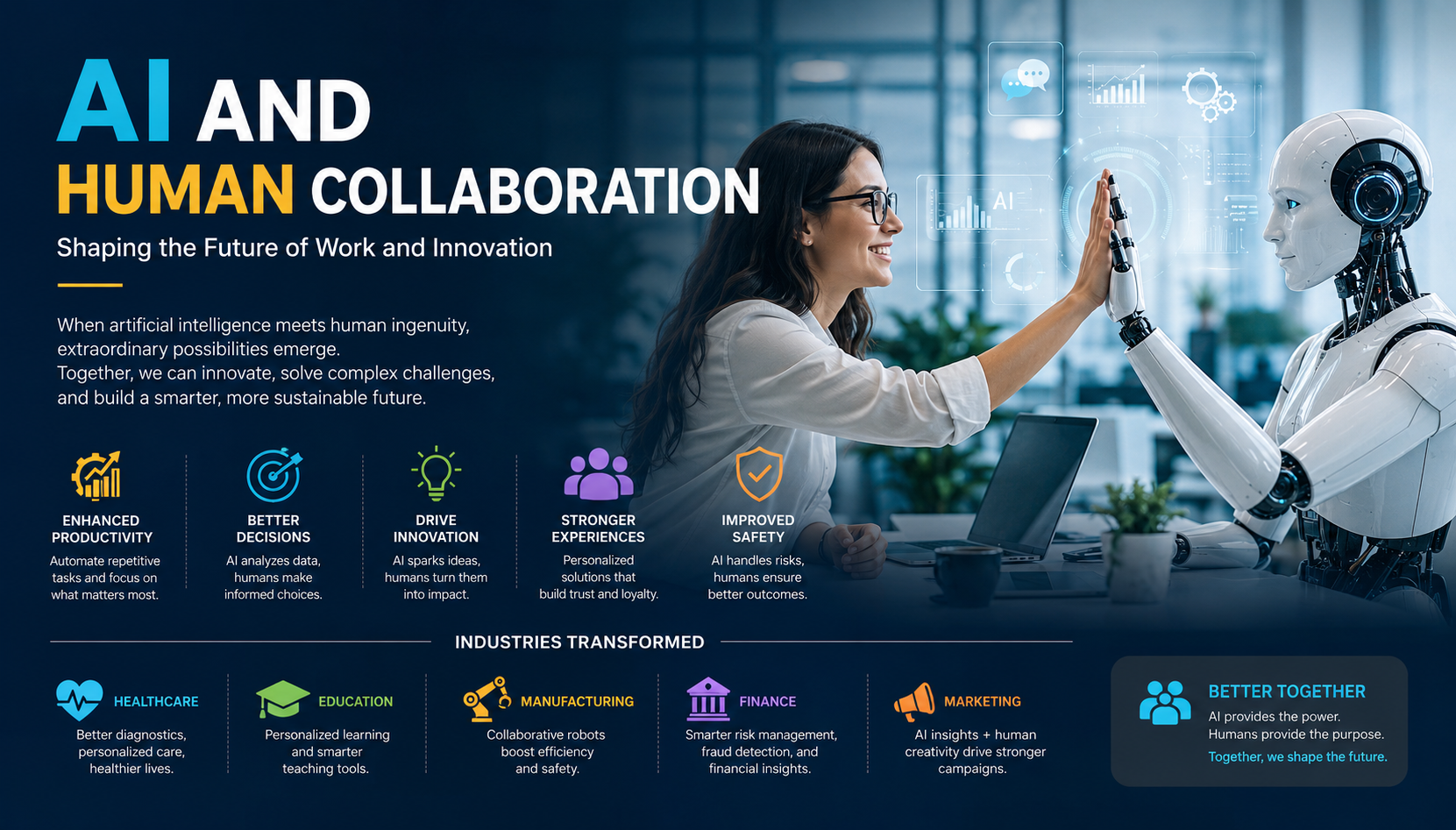
AI and Human Collaboration: Shaping the Future of Work and Innovation
AI and Human Collaboration: Artificial Intelligence (AI) is no longer a futuristic concept limited to science fiction movies. Today, AI has become a powerful force transforming industries, businesses, and daily life. From…
-
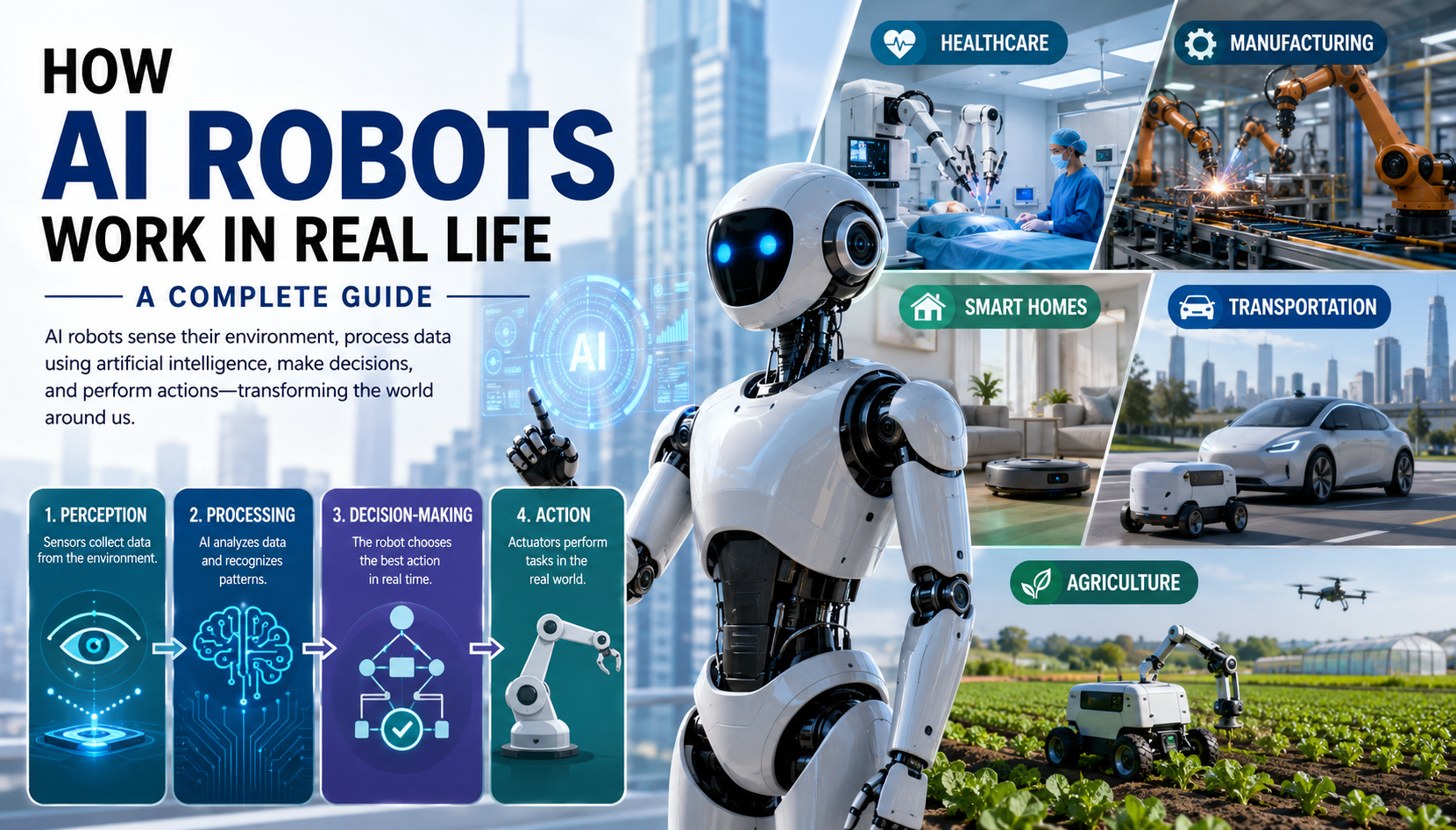
How AI Robots Work in Real Life: A Complete Guide
The idea of robots powered by artificial intelligence once belonged only to science fiction. Today, however, AI robots work in real life across industries, quietly transforming how we live, work, and interact…
-

The Power of AI in Cybersecurity: Smarter Defense, Key Benefits & What’s Next
AI in Cybersecurity has become one of the most critical concerns for organizations in the digital age. As cyber threats grow more sophisticated, traditional security approaches often struggle to keep up. Artificial…

Leave a Reply