
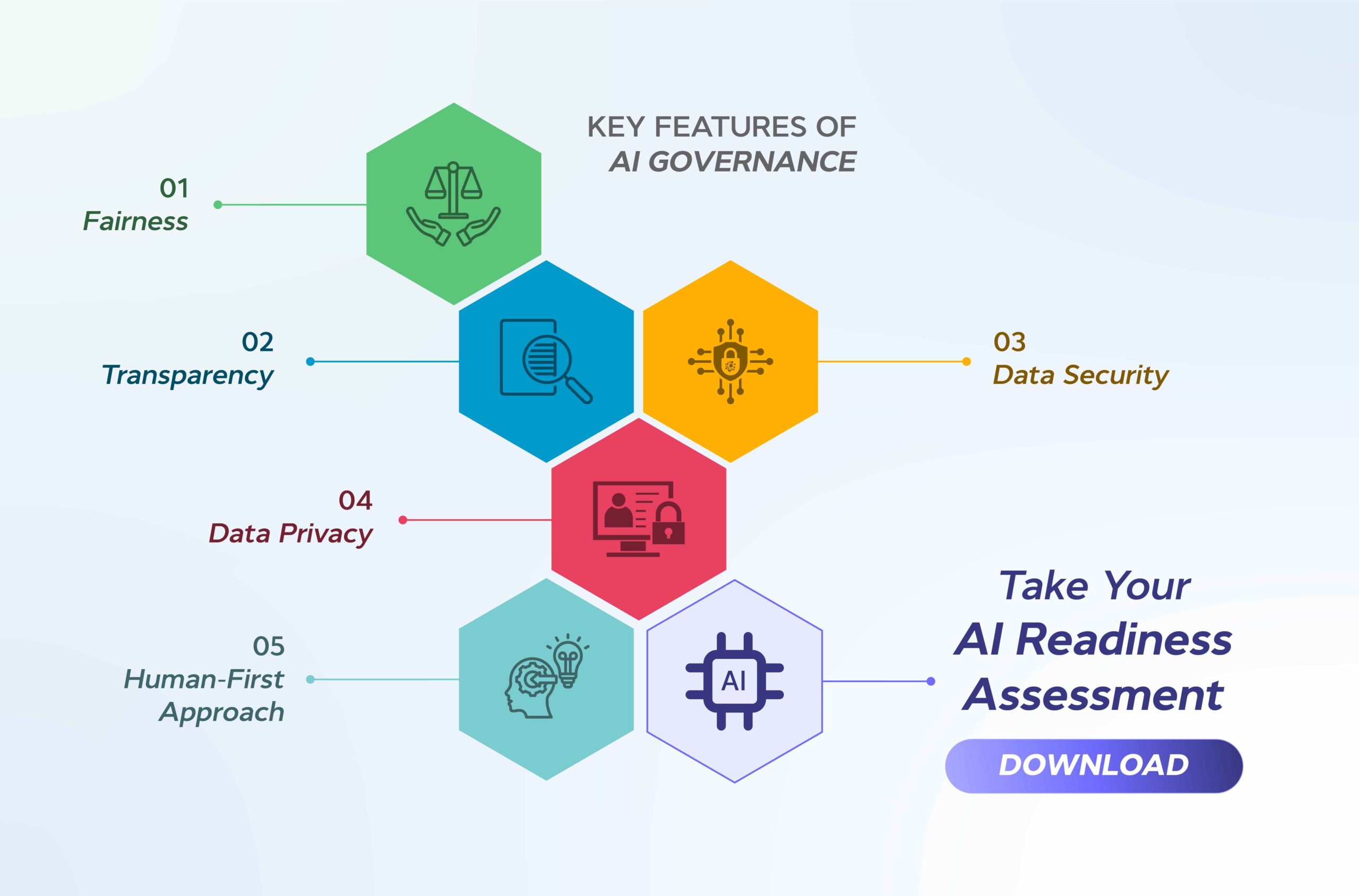
Artificial Intelligence (AI) is transforming industries at an unprecedented pace—from healthcare and finance to marketing and cybersecurity. But with great power comes great responsibility. As AI systems become more integrated into everyday life, the need for AI governance has never been more critical.
We’ll explore AI governance in depth—what it is, why it matters, its key principles, challenges, and how organizations can implement it effectively.
What is AI Governance?
AI governance refers to the framework of policies, regulations, standards, and practices that guide the development and use of artificial intelligence. Its goal is to ensure AI systems are ethical, transparent, fair, secure, and accountable.
In simple terms, AI governance ensures that AI technologies are used responsibly and do not harm individuals, businesses, or society.
Why is AI Governance Important?
AI systems can make decisions that impact people’s lives—such as loan approvals, hiring decisions, and medical diagnoses. Without proper governance, these systems can lead to:
- Bias and discrimination
- Privacy violations
- Lack of transparency
- Security risks
AI governance helps organizations build trustworthy AI systems, which is essential for long-term success and public confidence.
Key Principles of AI Governance
1. Transparency
Transparency means AI systems should be understandable and explainable. Users should know how decisions are made.
For example, if an AI system rejects a job application, it should provide a clear explanation rather than acting like a “black box.”
2. Accountability
Organizations must take responsibility for their AI systems. If something goes wrong, there should be clear accountability.
This includes assigning roles such as AI ethics officers or governance teams to oversee AI systems.
3. Fairness and Bias Reduction
AI systems should treat all individuals equally without discrimination based on race, gender, or other factors.
Bias can occur if training data is flawed. AI governance ensures continuous monitoring and improvement to reduce bias.
4. Privacy and Data Protection
AI relies heavily on data, including sensitive personal information. Governance frameworks ensure compliance with data protection laws and protect user privacy.
Organizations must implement strong data security practices to prevent misuse.
5. Security and Risk Management
AI systems are vulnerable to cyber threats. Proper governance includes:
- Regular security audits
- Risk assessments
- Threat detection systems
This ensures AI systems remain safe and reliable.
6. Ethical Use of AI
AI should be used in ways that benefit society and avoid harm. Ethical AI considers the social and moral impact of technology.
For example, AI should not be used for harmful surveillance or manipulation.
7. Compliance with Regulations
Governments around the world are introducing AI regulations. Organizations must comply with these laws to avoid legal issues and penalties.
AI governance ensures alignment with both local and international standards.
Components of an Effective AI Governance Framework
As Artificial Intelligence (AI) becomes a core part of modern business operations, organizations must establish a strong AI governance framework to ensure ethical, secure, and reliable use of AI systems. An effective governance structure not only reduces risks but also builds trust and improves decision-making. Below are the key components of an effective AI governance framework explained in detail.
1. Policies and Guidelines
Policies and guidelines form the foundation of any AI governance framework. They provide clear direction on how AI systems should be designed, developed, deployed, and maintained within an organization.
These policies typically include ethical principles such as fairness, transparency, accountability, and privacy. They also define operational standards, including how data should be handled, how models should be tested, and how decisions made by AI systems should be documented.
Having well-defined policies ensures that all stakeholders—from developers to executives—follow a consistent approach when working with AI. This reduces the risk of misuse, bias, and non-compliance with regulations. Moreover, clear guidelines help organizations align their AI initiatives with business goals and societal values.
2. Data Governance
Data is the backbone of AI systems, and without proper data governance, even the most advanced AI models can produce unreliable or biased results. Effective data governance ensures that data used in AI systems is accurate, secure, and ethically sourced.
High-quality data is essential for training reliable AI models. Organizations must implement processes to clean, validate, and maintain data to avoid errors and inconsistencies. In addition, secure data storage practices must be in place to protect sensitive information from breaches or unauthorized access.
Responsible data usage is another critical aspect. This includes ensuring compliance with data protection laws, respecting user privacy, and avoiding discriminatory practices. By establishing strong data governance, organizations can improve model performance while maintaining trust and accountability.
3. Model Management
AI models require continuous management throughout their lifecycle to ensure they remain accurate, fair, and effective. Model management involves testing, validating, deploying, and regularly updating AI systems.
Over time, models can become less accurate due to changes in data patterns, a phenomenon known as model drift. To address this, organizations must monitor model performance and retrain models when necessary.
Another important aspect is bias detection. AI systems can unintentionally learn biases from training data, leading to unfair outcomes. Regular testing and evaluation help identify and mitigate these biases, ensuring that AI systems operate fairly across different groups.
Effective model management also includes maintaining documentation and version control, which helps organizations track changes and maintain accountability.
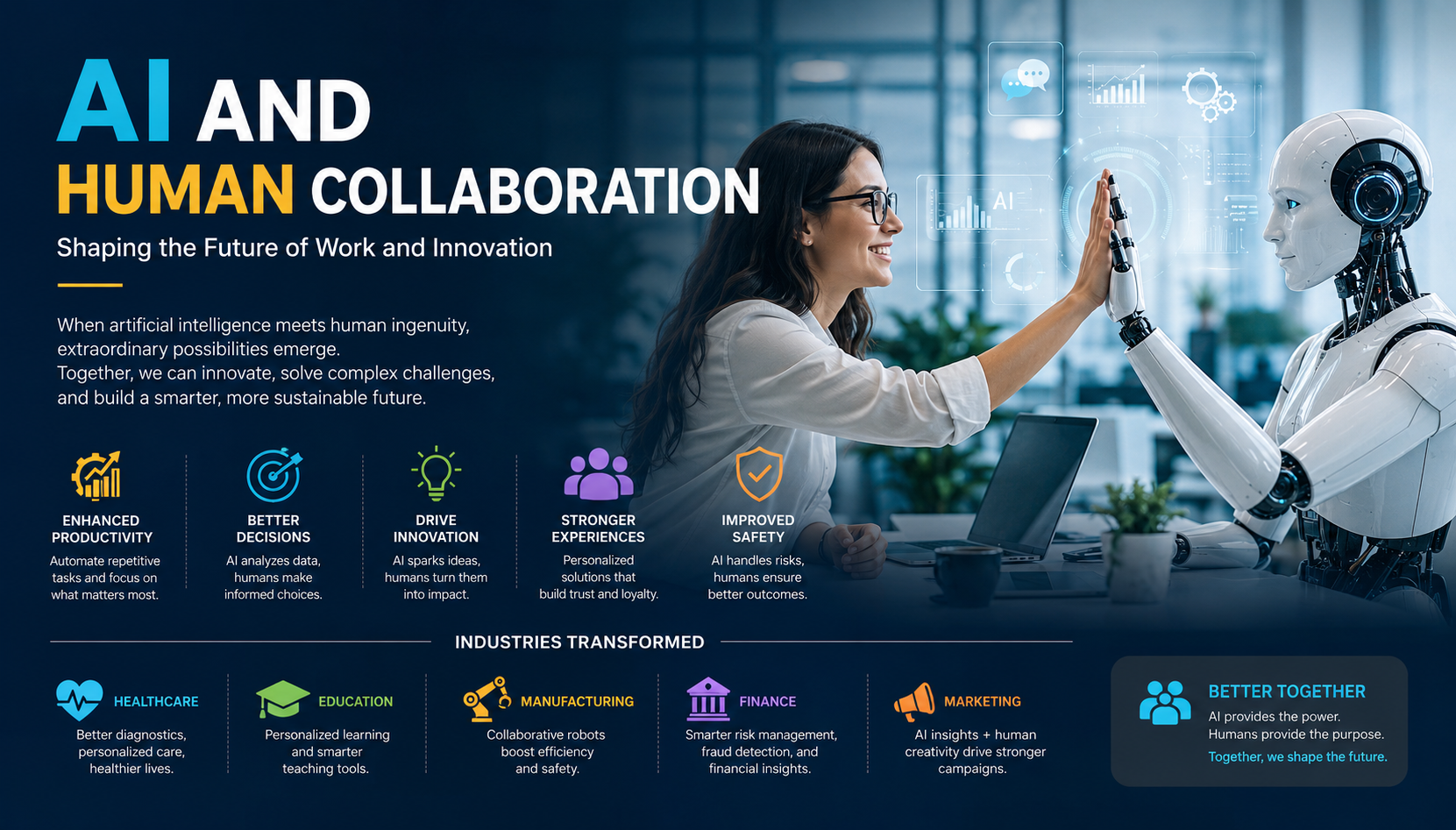
4. Human Oversight
While AI can automate complex tasks, it should not operate entirely without human involvement. Human oversight is essential to ensure that AI-driven decisions are accurate, ethical, and aligned with organizational values.
In critical areas such as healthcare, finance, and legal systems, human experts must review and validate AI outputs before final decisions are made. This reduces the risk of errors and prevents potential harm caused by incorrect or biased AI decisions.
Human oversight also allows organizations to intervene when AI systems behave unexpectedly. By maintaining a “human-in-the-loop” approach, businesses can combine the efficiency of AI with human judgment and ethical reasoning.
5. Audit and Monitoring
Continuous audit and monitoring are crucial for maintaining the effectiveness and compliance of AI systems. Monitoring helps organizations track performance, detect anomalies, and identify potential risks in real time.
Regular audits ensure that AI systems adhere to internal policies, industry standards, and legal regulations. These audits evaluate various aspects, including data usage, model accuracy, fairness, and security.
Through ongoing monitoring, organizations can quickly identify issues such as bias, data drift, or system failures and take corrective actions. This proactive approach not only improves system reliability but also enhances transparency and accountability.
Challenges in AI Governance
Artificial Intelligence (AI) is transforming industries worldwide, but governing these powerful systems is not simple. As organizations adopt AI technologies, they face several critical challenges in ensuring responsible, ethical, and compliant use. Below are the major challenges in AI governance explained in detail.
1. Lack of Standardization in AI Governance
One of the biggest challenges in AI governance is the absence of a universal framework or set of standards. Different countries, industries, and organizations follow their own guidelines, which leads to inconsistency in how AI systems are developed and managed.
Without standardized policies, companies may struggle to align their AI practices with global expectations. This can create confusion, especially for businesses operating across multiple regions. Additionally, inconsistent governance can increase the risk of ethical violations, bias in algorithms, and non-compliance with regulations.
To address this issue, global collaboration is needed to create unified AI governance standards that ensure fairness, transparency, and accountability across all sectors.
2. Rapid Technological Growth Outpacing Regulations
AI technology is evolving at an incredibly fast pace, often faster than governments and regulatory bodies can keep up. New advancements such as generative AI, machine learning models, and automation tools are introduced regularly, leaving little time for proper regulatory frameworks to be established.
This gap between innovation and regulation creates uncertainty for organizations. Businesses may deploy AI systems without clear legal guidelines, increasing the risk of misuse, legal complications, or ethical concerns.
Governments and policymakers must adopt adaptive and flexible regulatory approaches that can evolve alongside technological advancements, ensuring AI remains safe and beneficial for society.
3. Complexity of AI Systems
Modern AI systems, especially those based on deep learning and neural networks, are highly complex and often function as “black boxes.” This means it is difficult to understand how these systems make decisions.
This lack of transparency poses a major governance challenge. Organizations may find it hard to explain AI-driven decisions to stakeholders, regulators, or users. In sensitive areas like healthcare, finance, and law enforcement, this can lead to serious trust and accountability issues.
To overcome this challenge, companies need to invest in explainable AI (XAI) techniques that improve transparency and make AI systems more interpretable and trustworthy.
4. Balancing Innovation and Regulation
Finding the right balance between innovation and regulation is one of the most delicate aspects of AI governance. On one hand, strict regulations can slow down technological progress and limit creativity. On the other hand, a lack of regulation can lead to misuse, bias, privacy violations, and security risks.
Organizations must navigate this fine line carefully. Encouraging innovation while maintaining ethical standards requires a well-structured governance strategy that promotes responsible AI development.
Governments and businesses should work together to create policies that support innovation while protecting users and society from potential harm.
Benefits of AI Governance
Implementing AI governance offers several advantages:
- Builds trust with customers and stakeholders
- Reduces risks and legal issues
- Improves AI system performance
- Ensures ethical and responsible use
- Enhances brand reputation
Best Practices for Implementing AI Governance
To successfully implement AI governance, organizations should:
- Develop a clear AI strategy
- Establish ethical guidelines
- Create a dedicated governance team
- Use explainable AI tools
- Conduct regular audits and risk assessments
- Train employees on responsible AI usage
The Future of AI Governance

As AI continues to grow, governance will become even more important. Future trends include:
- Stronger global AI regulations
- Increased focus on ethical AI
- Advanced tools for explainability and transparency
- Greater collaboration between governments and organizations
Organizations that prioritize AI governance today will be better prepared for the future.
Conclusion
AI governance is no longer optional—it is essential. As artificial intelligence becomes a core part of business and society, ensuring its responsible use is critical.
By implementing strong governance frameworks, organizations can build AI systems that are ethical, transparent, and trustworthy—ultimately creating a safer and more innovative future.

Leave a Reply