
AI in Marketing is revolutionizing the way businesses connect with their audience. From personalized recommendations to automated campaigns, AI in marketing is helping brands deliver smarter, faster, and more effective strategies. In today’s competitive digital landscape, understanding how AI works in marketing is essential for businesses aiming to stay ahead.
What is AI in Marketing?
AI in marketing refers to the use of advanced technologies like machine learning, data analytics, and automation to improve marketing strategies. It enables businesses to analyze large amounts of customer data, predict behavior, and deliver highly targeted campaigns. Instead of relying on guesswork, marketers can now make data-driven decisions that lead to better results and higher ROI.
How AI is Used in Marketing
AI is applied in various areas of marketing, making processes more efficient and effective.
1. Personalized Customer Experience
AI helps businesses understand customer preferences by analyzing browsing behavior, purchase history, and interactions. This allows marketers to deliver personalized content, product recommendations, and offers that match individual needs. As a result, customers feel more valued and are more likely to engage with the brand.
2. Chatbots and Customer Support
AI-powered chatbots provide instant responses to customer queries, improving user experience. These bots can handle multiple conversations at once, reducing the workload on human support teams. They are available 24/7, ensuring that customers receive assistance anytime they need it.
3. Predictive Analytics
AI can analyze past data to predict future trends and customer behavior. This helps businesses plan their marketing strategies more effectively. For example, companies can identify which products are likely to be popular and adjust their campaigns accordingly.
4. Content Creation and Optimization
AI tools can assist in generating blog posts, social media captions, and email campaigns. They also help optimize content for search engines by suggesting keywords, improving readability, and enhancing overall quality. This saves time while maintaining consistency.
5. Email Marketing Automation
AI improves email marketing by sending personalized emails based on user behavior. It can determine the best time to send emails, segment audiences, and create targeted campaigns that increase open and click-through rates.
6. Social Media Marketing
AI tools analyze user engagement and trends on social media platforms. Marketers can use this data to create content that resonates with their audience, schedule posts at optimal times, and track performance more accurately.
7. Advertising and Targeting
AI enhances digital advertising by targeting the right audience with the right message. Platforms use AI algorithms to display ads to users who are most likely to convert, reducing wasted ad spend and improving campaign performance.
Benefits of AI in Marketing
AI offers numerous advantages that make marketing more effective and efficient.
Improved Efficiency
AI automates repetitive tasks such as data analysis, reporting, and customer interactions. This allows marketers to focus on creative and strategic work.
Better Decision Making
With access to real-time data and insights, businesses can make informed decisions quickly. AI reduces the risk of errors and improves overall accuracy.
Enhanced Customer Experience
Personalized interactions make customers feel understood and valued. This leads to higher satisfaction and stronger brand loyalty.
Cost Savings
By automating tasks and improving targeting, AI helps reduce marketing costs. Businesses can achieve better results with fewer resources.
Increased ROI
AI-driven campaigns are more precise and effective, leading to higher conversion rates and better return on investment.
Why Businesses Use AI in Marketing
Businesses are adopting AI because it provides a competitive advantage in a crowded market. AI helps companies understand their customers better, deliver relevant content, and optimize campaigns for maximum impact. It also allows businesses to scale their marketing efforts without significantly increasing costs.
Moreover, as customer expectations continue to rise, AI enables brands to meet those expectations by delivering faster, smarter, and more personalized experiences.
Best Practices for Using AI in Marketing
Ensure High-Quality Data
AI systems rely on data, so it must be accurate and well-organized. Poor data leads to poor results, so businesses should clean and standardize their datasets before using AI tools.
Build Strong Data Infrastructure
To get the best results, businesses need systems that allow data to flow smoothly across platforms like CRM, websites, and analytics tools. Cloud-based infrastructure helps process data in real time.
Train AI Properly
AI tools need training to perform effectively. Businesses should use relevant and high-quality data to train their systems, ensuring accurate and useful outcomes.
Follow Data Privacy Rules
Since AI uses customer data, businesses must follow data protection laws. Transparent data practices help build trust and avoid legal issues.
Monitor and Optimize Continuously
AI tools should be regularly monitored to ensure they meet business goals. Continuous improvement helps maintain performance and adapt to changing market trends.
Upskill Marketing Teams
AI changes how marketing works, so employees need proper training. Businesses should invest in learning programs to help teams understand and use AI effectively.
Step-by-Step Guide to Using AI in Marketing
Step 1: Define Your Goals
Start by identifying what you want to achieve, such as increasing sales, improving engagement, or reducing costs.
Step 2: Collect and Organize Data
Gather customer data from different sources and ensure it is clean and accurate.
Step 3: Choose the Right AI Tools
Select AI tools that match your marketing needs, such as content creation, analytics, or automation.
Step 4: Integrate AI into Your Workflow
Incorporate AI tools into your existing systems and processes to streamline operations.
Step 5: Test and Optimize
Run campaigns, analyze results, and make improvements based on AI insights.
Step 6: Monitor Performance
Track key metrics to ensure your AI strategies are delivering the desired results.
Challenges of AI in Marketing
While AI offers many benefits, it also comes with some challenges.
High Initial Cost
Implementing AI tools can be expensive, especially for small businesses. However, the long-term benefits often outweigh the initial investment.
Data Privacy Concerns
AI relies on large amounts of data, which raises concerns about privacy and security. Businesses must ensure they comply with data protection regulations.
Lack of Human Touch
Although AI can automate many tasks, it cannot fully replace human creativity and emotional intelligence. A balance between AI and human input is essential.
Technical Complexity
AI systems require skilled professionals to manage and maintain them. This can be a challenge for businesses without technical expertise.
The Future of AI in Marketing
The future of AI in marketing looks promising. As technology continues to evolve, AI will become even more advanced and accessible. We can expect more accurate predictions, deeper personalization, and improved automation. Voice search, visual recognition, and AI-driven customer journeys will play a significant role in shaping the future of digital marketing.
Businesses that embrace AI early will have a significant advantage in adapting to changing market trends and customer expectations.
Conclusion
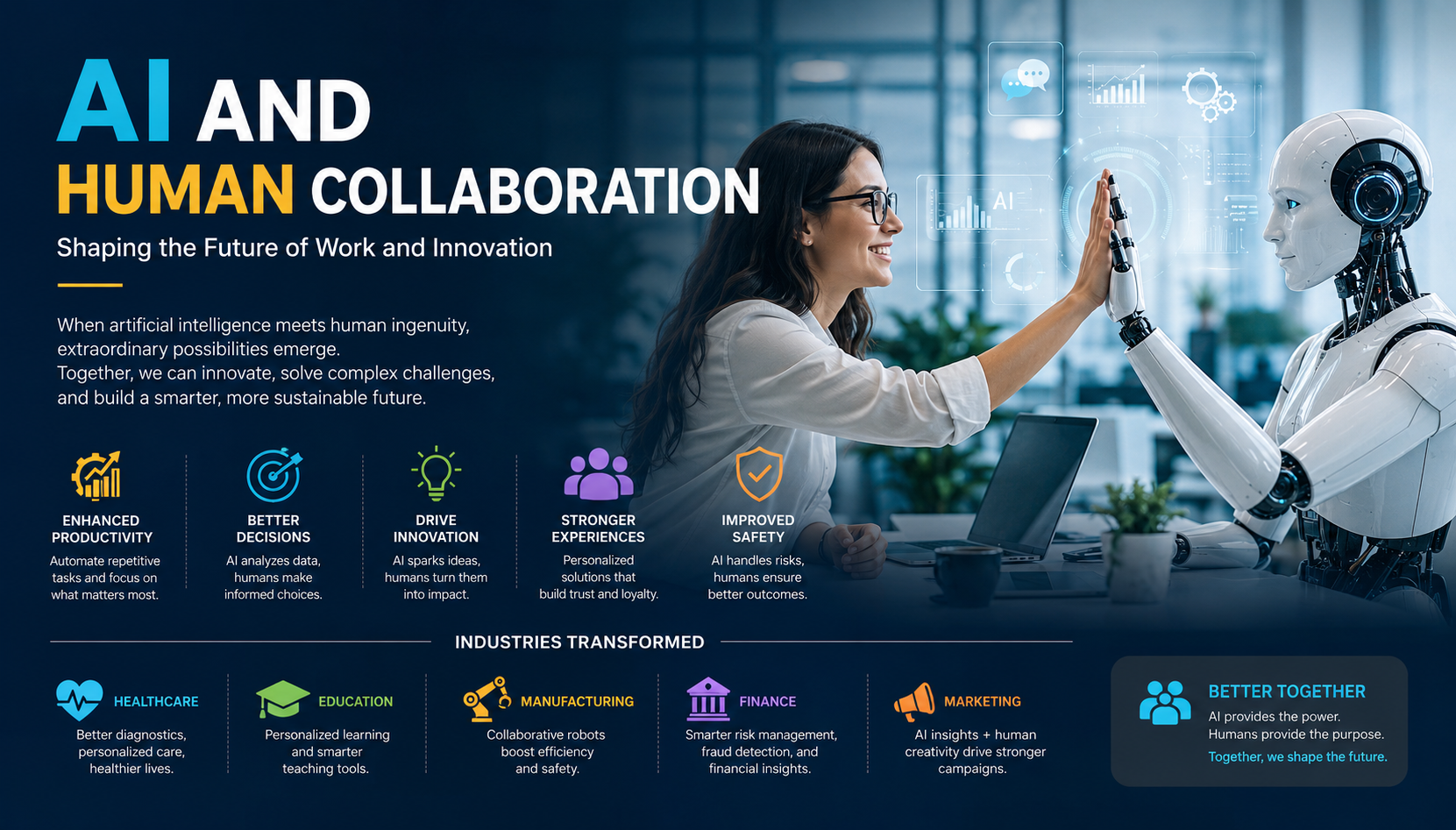
AI in marketing is no longer a luxury—it is a necessity for businesses looking to grow in the digital age. From improving customer experience to increasing efficiency and ROI, AI is transforming every aspect of marketing. While there are challenges, the benefits far outweigh them. By combining AI technology with human creativity, businesses can create powerful marketing strategies that drive success.

Leave a Reply