

AI ethics is the study and practice of ensuring artificial intelligence (AI) is used responsibly, fairly, and safely. It’s about making sure that AI systems are designed, developed, and deployed in ways that align with human values and do not cause harm.
In simpler terms, AI ethics asks questions like:
- Is the AI fair? – Does it avoid bias or discrimination?
- Is it transparent? – Can we understand how it makes decisions?
- Is it accountable? – Who is responsible if something goes wrong?
- Is it safe and private? – Does it protect people’s data and security?
- Does it benefit humanity? – Is it used to improve lives rather than cause harm?
AI ethics is important because AI is increasingly making decisions in healthcare, finance, education, and even law enforcement. Without ethical guidelines, AI could unintentionally reinforce bias, invade privacy, or make harmful decisions.
In short, AI ethics ensures that as machines get smarter, they remain aligned with human values, fairness, and safety.
Understanding the Importance of AI Ethics
Establishing principles for AI ethics is essential to guide the development and use of intelligent technology responsibly. These principles provide a framework to ensure AI systems are fair, transparent, and accountable, while protecting privacy and promoting human well-being. Key principles include fairness, which prevents bias in AI decision-making; transparency, which allows users to understand how AI works; accountability, which ensures developers and organizations take responsibility for outcomes; privacy protection, which safeguards personal data; and beneficence, which focuses on using AI to positively impact society. By following these ethical principles, we can harness the power of AI in a way that is safe, trustworthy, and aligned with human values.
What Are Foundation Models?
Foundation models and generative AI are transforming the way we create, analyze, and interact with digital content. Foundation models are large-scale AI systems trained on vast amounts of data, capable of performing multiple tasks without task-specific programming. Generative AI, built on these models, can produce original content such as text, images, music, and even code, often mimicking human creativity. While these technologies offer exciting possibilities—from automated writing and art generation to scientific research—they also raise ethical and societal concerns, including copyright issues, misinformation, and bias in AI outputs. Understanding and responsibly applying these models is key to harnessing their full potential while minimizing risks.
Technological Singularity: The Future of AI

The technological singularity is a hypothetical point in the future when artificial intelligence surpasses human intelligence, leading to rapid and unpredictable technological growth. At this stage, AI could potentially improve itself autonomously, accelerating innovation at an exponential rate. While some experts see it as an opportunity for solving complex global challenges, others warn about the risks, including loss of human control, ethical dilemmas, and societal disruption. Preparing for the singularity involves developing safe and ethical AI, understanding its potential impact, and ensuring that advanced technologies are aligned with human values.
Ethical Considerations in Workforce Automation

As AI and automation reshape the workplace, ethical considerations are more important than ever. Workforce automation can improve efficiency and reduce human error, but it also raises concerns about job displacement, fairness, and inequality. Companies must ensure that automation does not disproportionately affect vulnerable employees and provide opportunities for upskilling and reskilling. Transparency in decision-making, respect for employee rights, and responsible deployment of AI technologies are essential to maintain trust and social responsibility. By addressing these ethical concerns, organizations can balance innovation with human well-being, ensuring that automation benefits both businesses and employees.
Data privacy
Privacy is increasingly framed around data privacy, data protection, and data security, prompting significant action from policymakers in recent years. For instance, the General Data Protection Regulation (GDPR), introduced in 2016, gave individuals in the European Union and European Economic Area greater control over their personal data. In the United States, state-level initiatives like the California Consumer Privacy Act (CCPA) now require businesses to be transparent about how they collect and use consumer data. These regulations have compelled organizations to rethink their data storage and handling practices, placing greater emphasis on protecting personally identifiable information (PII). As a result, companies are investing more heavily in cybersecurity measures to prevent breaches, hacking, and unauthorized surveillance, ensuring that data is secure and privacy is respected.
How to Establish AI Ethics
Establishing AI ethics begins with creating a clear framework of principles and guidelines that prioritize human values, fairness, and safety. Organizations should focus on transparency, ensuring AI decisions are explainable; accountability, making developers and companies responsible for outcomes; and fairness, preventing bias and discrimination in AI systems. Protecting privacy and promoting beneficence—using AI to improve human well-being—are also essential. To implement these principles effectively, businesses can adopt ethical AI policies, conduct regular audits, and involve diverse teams in the design process. By embedding ethics into every stage of AI development, from data collection to deployment, we can create AI technologies that are trustworthy, responsible, and aligned with societal values.
A Human Rights Approach to AI
A human rights approach to AI ensures that the development and use of artificial intelligence respects the fundamental rights and freedoms of all individuals. This perspective emphasizes privacy, equality, freedom from discrimination, and the right to information, guiding AI systems to operate fairly and transparently. By integrating human rights principles into AI design, organizations can prevent abuses such as biased decision-making, surveillance overreach, or unjust exclusion from services. This approach not only protects individuals but also strengthens public trust in AI technologies, making sure that innovation goes hand in hand with social responsibility and ethical accountability.
If you want, I can also create related headings and paragraphs like:
- Human Rights and Data Privacy
- Preventing Discrimination Through AI
- Accountability and Transparency in AI Decisions
The Role of Women in Ethical AI Leadership

Women in ethical AI leadership bring diverse perspectives, critical thinking, and inclusive decision-making to the development of artificial intelligence systems. Their involvement is essential for identifying biases, preventing discrimination, and ensuring AI technologies reflect societal values rather than perpetuating inequality. Women leaders often advocate for transparency, accountability, and human-centered design, guiding AI projects to prioritize fairness and social responsibility. By participating in policy-making, research, and corporate strategy, women help shape ethical frameworks that influence how AI is deployed in areas like healthcare, finance, and education. Increasing female representation in AI leadership not only promotes gender equality but also strengthens the creation of AI systems that are trustworthy, equitable, and aligned with human rights.
Global Initiatives for Ethical AI
Global initiatives for ethical AI are efforts by governments, international organizations, and industry groups to ensure that artificial intelligence is developed and deployed responsibly worldwide. These initiatives focus on establishing standards, guidelines, and best practices that promote transparency, fairness, accountability, and human rights in AI systems. Examples include the OECD AI Principles, the UNESCO Recommendation on AI Ethics, and collaborative efforts by multinational corporations to form ethics boards or councils. By working across borders, these initiatives aim to harmonize AI regulations, reduce risks of bias and misuse, and foster trust in AI technologies, ensuring that innovation benefits humanity while respecting ethical and social norms.
Blog
This section provides an overview of the blog, showcasing a variety of articles, insights, and resources to inform and inspire readers.
-
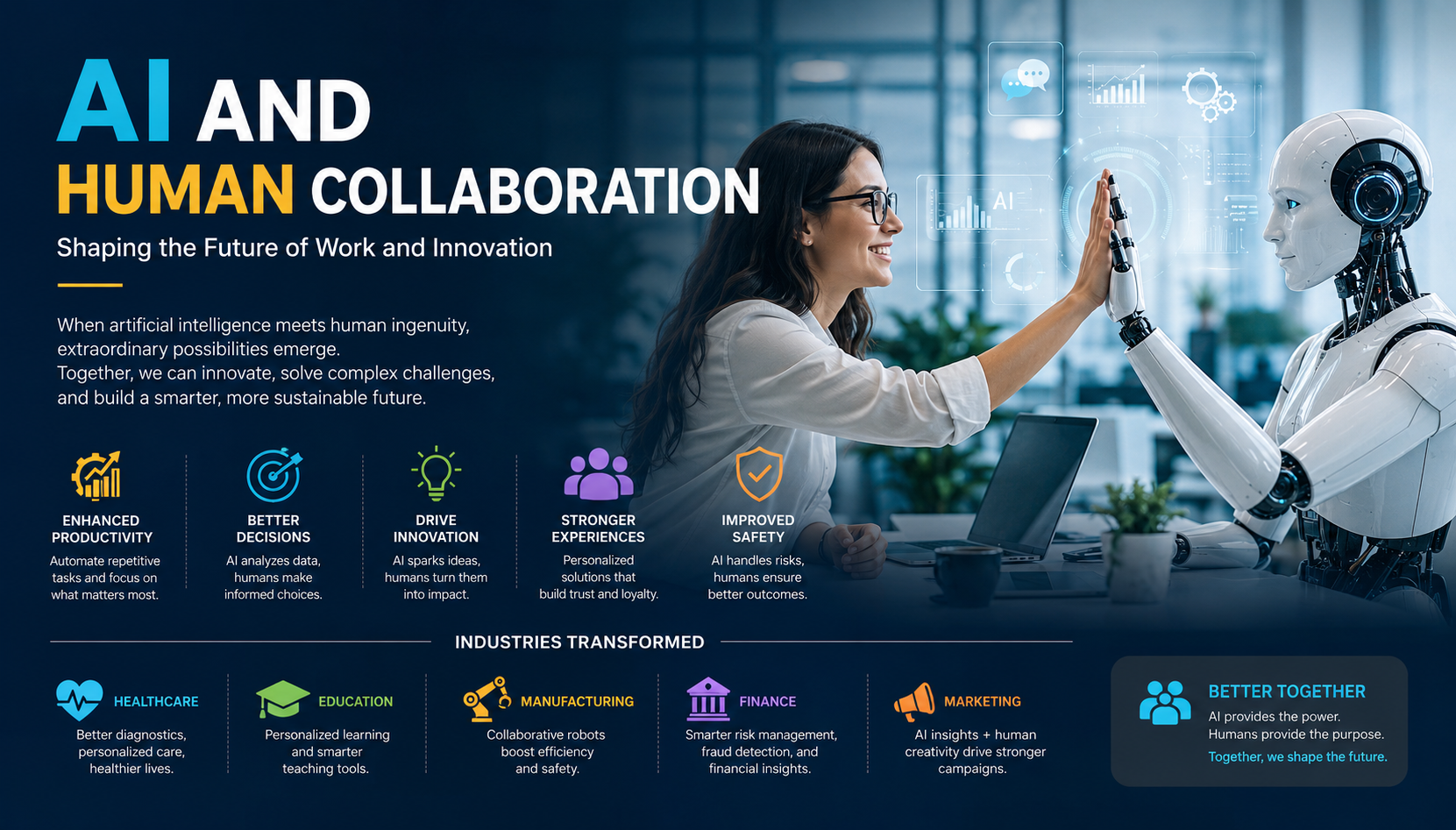
AI and Human Collaboration: Shaping the Future of Work and Innovation
AI and Human Collaboration: Artificial Intelligence (AI) is no longer a futuristic concept limited to science fiction movies. Today, AI has become a powerful force transforming industries, businesses, and daily life. From…
-
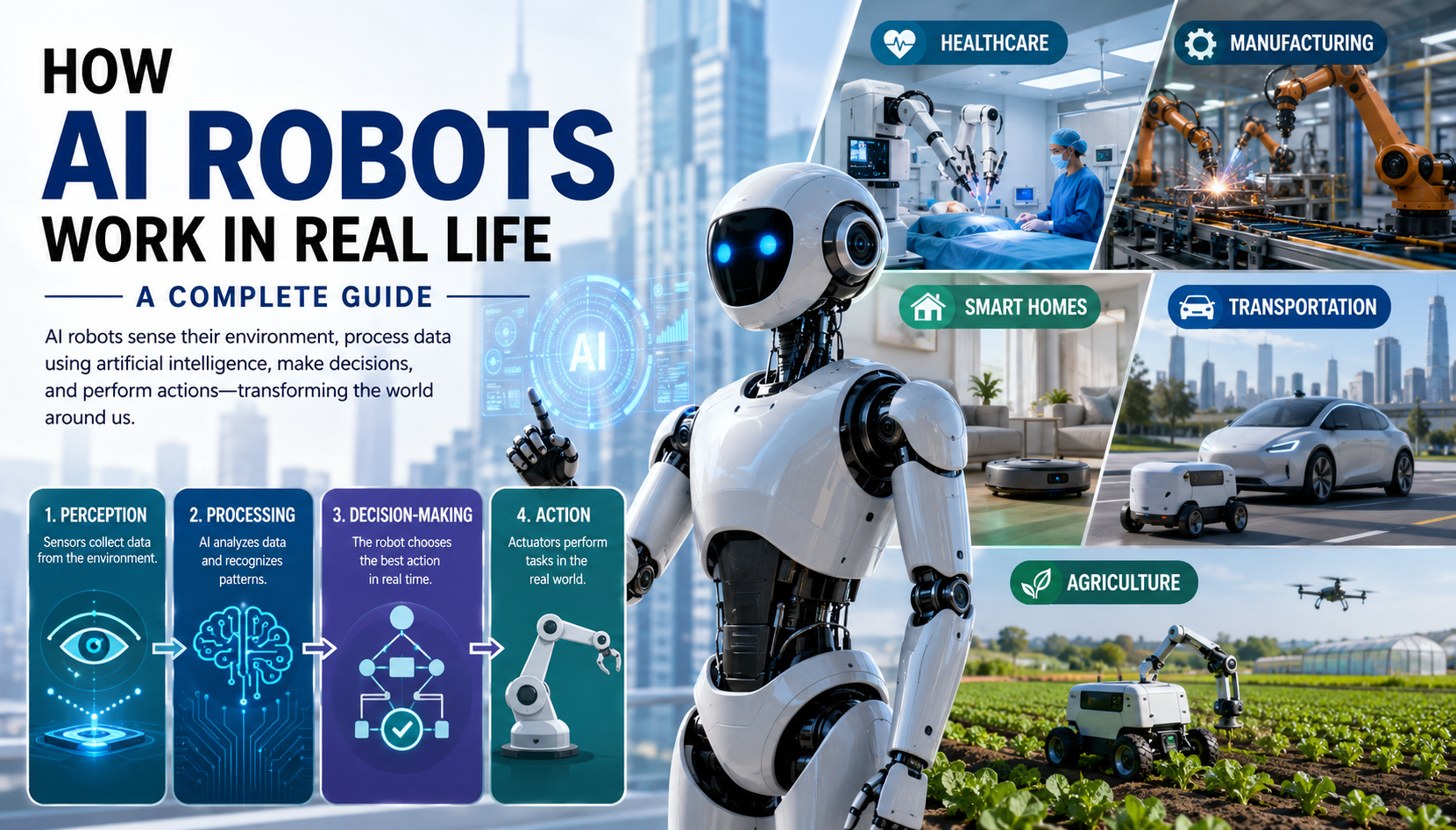
How AI Robots Work in Real Life: A Complete Guide
The idea of robots powered by artificial intelligence once belonged only to science fiction. Today, however, AI robots work in real life across industries, quietly transforming how we live, work, and interact…
-

The Power of AI in Cybersecurity: Smarter Defense, Key Benefits & What’s Next
AI in Cybersecurity has become one of the most critical concerns for organizations in the digital age. As cyber threats grow more sophisticated, traditional security approaches often struggle to keep up. Artificial…

Leave a Reply