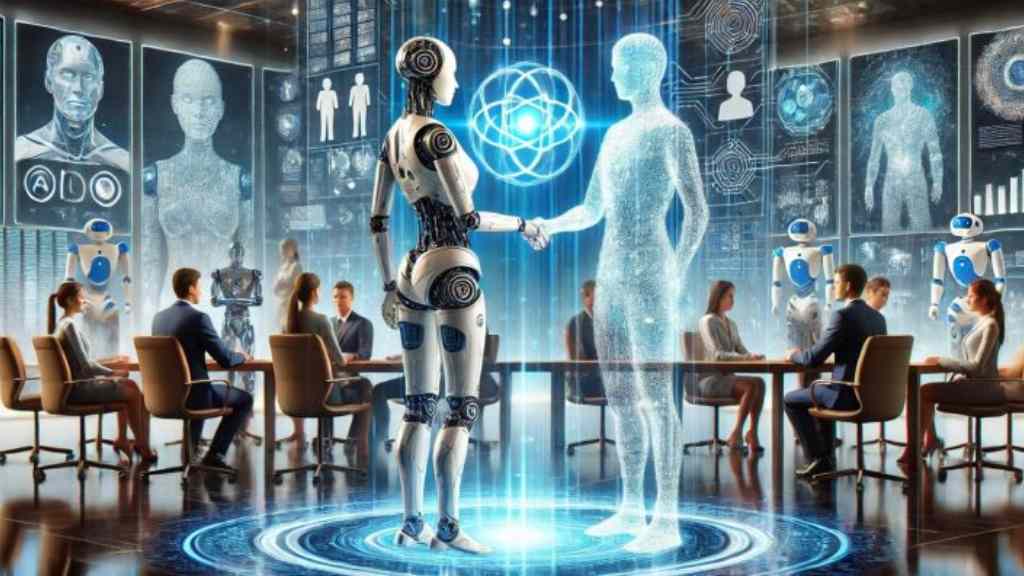
AI vs Robotics are two of the most exciting technologies shaping our future. While they are often linked together, they are not the same. Let’s explore the differences, uses, advantages, and disadvantages of AI and robotics.
What is AI?
Artificial Intelligence (AI) is the simulation of human intelligence in machines. AI allows computers and systems to learn from data, make decisions, solve problems, and perform tasks that normally require human intelligence. Examples include virtual assistants like Siri, recommendation systems on Netflix, and self-driving car software.
What is AI Used For?
Artificial Intelligence (AI) is transforming industries by automating tasks, analyzing massive amounts of data, and supporting smarter decision-making. It is widely applied in sectors such as healthcare, education, finance, and transportation, where it enhances efficiency, accuracy, and overall productivity.
AI in Finance
- Artificial Intelligence has transformed the finance sector by making processes faster, more secure, and data-driven. AI algorithms are used for fraud detection, analyzing transaction patterns to identify suspicious activity in real-time and protect customers from financial crimes. It also supports risk analysis, helping banks and investment firms predict potential market risks and make informed decisions. Additionally, automated trading systems powered by AI can process vast amounts of market data instantly, executing trades at optimal times to maximize profits. Overall, AI improves efficiency, accuracy, and decision-making in the financial industry.
Education
In education, AI is creating smarter, more personalized learning experiences. Smart tutoring systems adapt lessons to each student’s learning pace and style, ensuring that every learner can grasp concepts effectively. AI vs Robotics also helps in grading automation, evaluating exams and assignments quickly and consistently, which saves educators time and reduces human bias. Furthermore, learning analytics powered by AI track student performance, identifying strengths, weaknesses, and areas that need extra support. By analyzing this data, teachers can design more effective teaching strategies and help students achieve better academic outcomes.
Transportation
AI is revolutionizing transportation by making travel safer, faster, and more efficient. One of the most notable applications is in self-driving cars, where AI systems detect obstacles, make real-time driving decisions, and navigate roads with minimal human input. AI vs Robotics is also used for route optimization, helping delivery services, ride-sharing apps, and public transport plan the most efficient paths, reducing fuel consumption and travel time. Additionally, traffic management systems utilize AI to monitor traffic flow, control signals, and predict congestion, improving overall urban mobility and reducing accidents.
Advantages of AI
1. Efficiency: AI can process large amounts of data faster than humans
AI systems can analyze and interpret massive datasets within seconds—something that would take humans days, months, or even years. For example, in the healthcare industry, AI algorithms can scan thousands of medical images to detect tumors much faster than a radiologist. Similarly, in finance, AI vs Robotics can analyze global stock market trends in real-time, helping companies make faster investment decisions. This speed dramatically increases productivity and allows businesses to operate more efficiently.
2. Accuracy: Reduces human errors in tasks like medical diagnosis
Humans, no matter how skilled, are prone to mistakes. AI systems, when trained correctly, can minimize errors by following data-driven logic consistently. For example,AI vs Robotics in diagnostics can detect patterns in medical scans that humans might miss, leading to earlier disease detection. In manufacturing, AI-powered quality control can identify defects in products with far greater precision than the human eye. Accuracy not only improves outcomes but also builds trust in AI-based solutions.
3. Automation: Handles repetitive and mundane tasks
AI excels at automating repetitive tasks that do not require creativity or complex decision-making. This includes activities like sorting emails, managing inventory, or scheduling appointments. By taking over these routine jobs, AI vs Robotics frees up human employees to focus on more strategic and creative tasks, improving overall workplace efficiency. For instance, in warehouses, AI-driven robots can sort and package goods 24/7 without fatigue, reducing operational bottlenecks.
4. Predictive Analysis: Helps in forecasting trends and making decisions
AI uses machine learning models to analyze historical data and predict future trends. This is extremely valuable in industries like retail, finance, and healthcare. For example, AI can forecast consumer demand, enabling businesses to manage inventory better and reduce waste. In finance, predictive algorithms assess market risks and identify investment opportunities. Even in healthcare, AI vs Robotics predicts disease outbreaks or patient readmissions, allowing preventive measures to be taken proactively.
Disadvantages of AI
1. High Cost: Developing and implementing AI can be expensive
Creating AI systems is not cheap. Costs include data collection, model training, software development, infrastructure, and maintenance. Small businesses or startups might find it challenging to implement AI due to these financial constraints. Additionally, upgrading AI vs Robotics systems to adapt to new trends or threats adds to the expense. For example, self-driving car AI requires millions of dollars in sensors, computing power, and testing before deployment.
2. Job Loss: Automation can replace human jobs in some sectors
AI-driven automation often replaces roles that involve repetitive or routine work. Industries like manufacturing, customer service, and transportation are most affected. For instance, AI chatbots handle customer queries without human intervention, and warehouse robots reduce the need for manual labor. While AI vs Robotics creates new jobs in tech and AI management, there is a significant short-term impact on traditional employment, leading to societal and economic concerns.
3. Dependency: Over-reliance may reduce human skills
As AI takes over more tasks, humans risk losing certain skills. For example, reliance on GPS and navigation apps may reduce our natural sense of direction. Similarly, dependence on AI vs Robotics for decision-making might weaken critical thinking and problem-solving skills. Over time, this can create a workforce that is highly dependent on technology, potentially vulnerable if AI systems fail or are unavailable.
4. Ethical Concerns: Biases in AI models and privacy issues
AI systems learn from the data they are trained on. If the data is biased, the AI will reflect and even amplify those biases, leading to unfair or discriminatory outcomes. For example, AI recruitment tools have sometimes favored certain demographics due to biased training data. Additionally, AI often relies on massive amounts of personal data, raising privacy concerns. Protecting sensitive information and ensuring ethical AI use is a major challenge for governments and organizations worldwide.
What is Robotics?
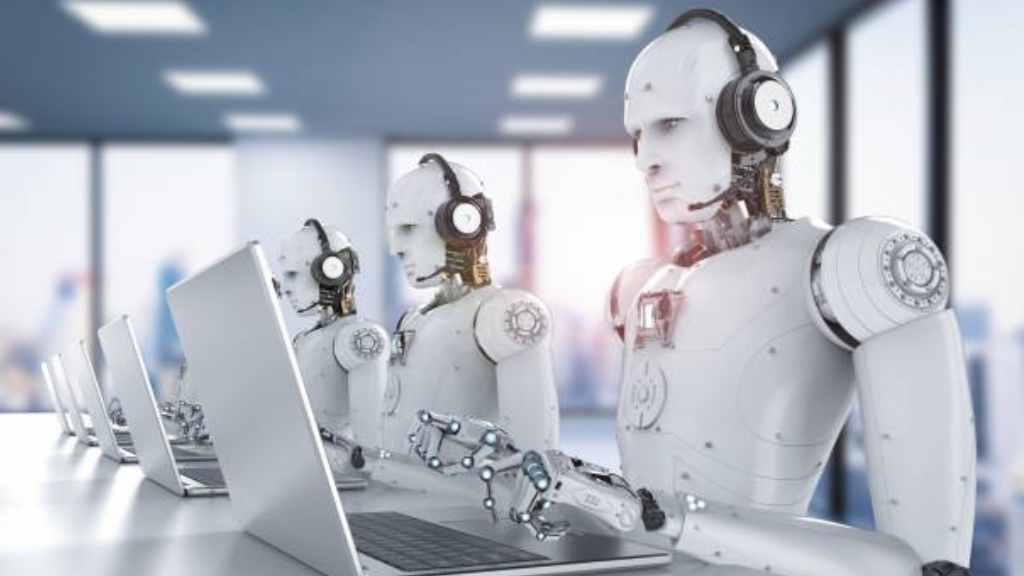
Robotics is the branch of technology that deals with the design, construction, and operation of robots. Robots are physical machines that can perform tasks automatically or semi-automatically. Robotics often combines mechanics, electronics, and computer programming.
What is Robotics Used For?
Robotics is employed across various industries to enhance efficiency, boost precision, and automate repetitive or complex tasks. Robots are commonly used in manufacturing, aerospace, healthcare, and other fields where accuracy, speed, and reliability are essential.
Absolutely! Here’s a detailed paragraph-style description of robotics applications in Manufacturing, Aerospace, and Healthcare:
Robotics in Manufacturing
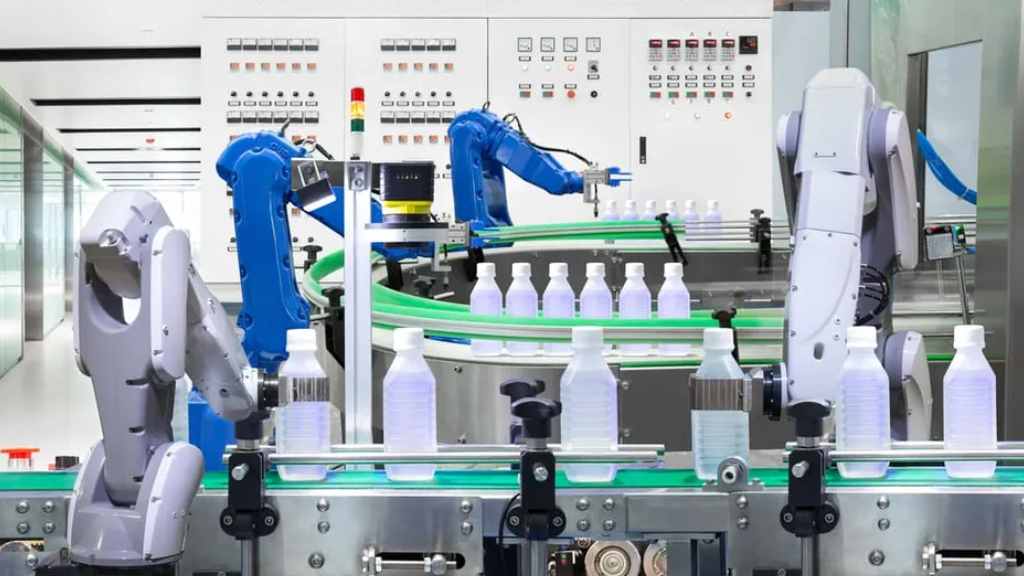
In manufacturing, robots play a vital role in improving productivity and precision. They are widely used for tasks like assembly, welding, painting, and packaging. Unlike humans, robots can work 24/7 without fatigue, ensuring consistent quality and faster production. Robotics automation also reduces workplace accidents by handling dangerous tasks, making factories safer and more efficient.
Robotics in Aerospace
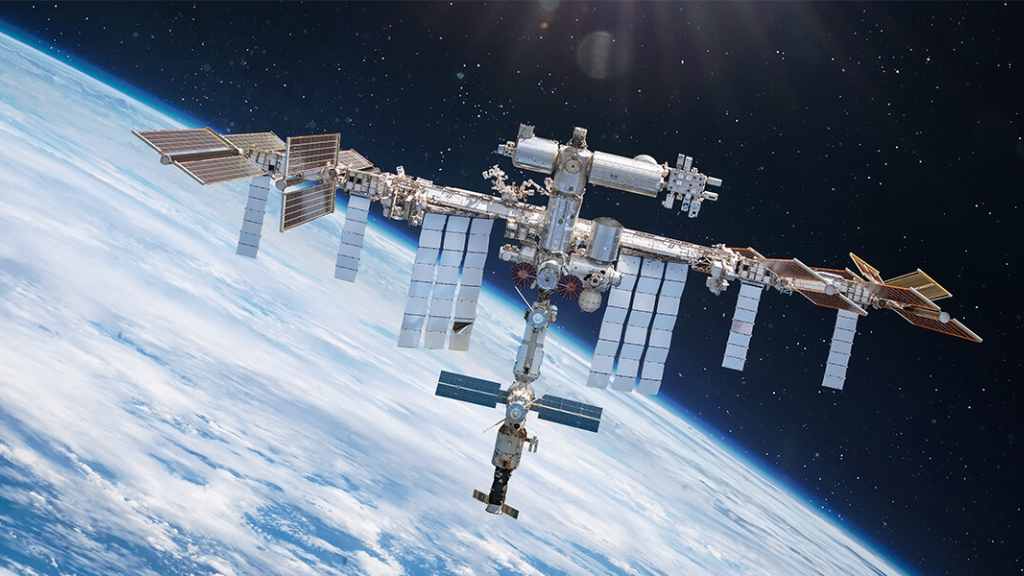
Robotics has become essential in the aerospace industry for tasks that require extreme precision and safety. Robots are used in aircraft assembly, maintenance, and inspection, where accuracy is critical to ensure safety standards. They also assist in testing and operating spacecraft components, and in some cases, robotic arms and drones perform missions in environments too hazardous for humans, such as outer space or extreme atmospheric conditions.
Robotics in Healthcare
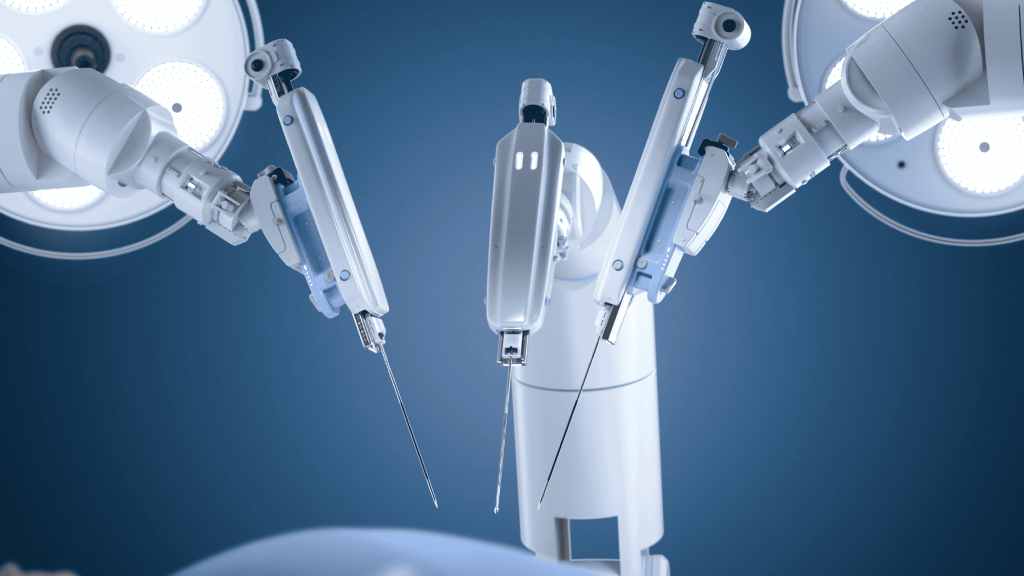
Healthcare is another sector benefiting immensely from robotics. Surgical robots allow doctors to perform minimally invasive procedures with high precision, reducing recovery times and risks for patients. Robots are also used for patient rehabilitation, laboratory automation, and hospital logistics, such as delivering medicines and supplies. By assisting medical staff with repetitive or physically demanding tasks, robotics helps improve patient care and operational efficiency.
Absolutely! Let’s elaborate each advantage and disadvantage of robotics in detail for your blog:
Advantages of Robotics – Detailed Explanation
1. Precision: Robots can perform tasks with high accuracy
- Robots are capable of executing tasks with incredible precision, far beyond human capability. In manufacturing, robotic arms can weld, cut, or assemble components with exact measurements, reducing errors and improving product quality. In healthcare, surgical robots enable doctors to perform delicate procedures with minimal risk, enhancing patient safety and outcomes. Precision ensures consistency and reduces waste, which is especially critical in industries where even minor errors can have major consequences.
2. Consistency: Can work continuously without fatigue
- Unlike humans, robots do not experience fatigue or loss of focus. This allows them to maintain the same high level of performance over long periods, working 24/7 if needed. In assembly lines, this consistency boosts productivity and ensures uniform quality across products. In logistics, robots can sort and transport goods continuously without breaks, increasing operational efficiency.
3. Safety: Can handle dangerous tasks in hazardous environments
- Robots excel in performing tasks that are dangerous for humans. They are used in environments with high heat, toxic chemicals, heavy machinery, or extreme conditions, such as deep-sea or space exploration. In construction or mining, robots can handle heavy lifting or work in unstable conditions, reducing the risk of accidents and injuries. This makes workplaces safer while allowing complex tasks to be completed efficiently.
4. Speed: Faster production and execution in industries
- Robots can operate at speeds much faster than humans while maintaining accuracy and precision. In manufacturing, this means faster assembly, packaging, and delivery of products. In warehouses, robots can pick, sort, and transport items rapidly, reducing order fulfillment times. Speed enhances overall productivity and helps companies meet high-demand schedules without compromising quality.
Disadvantages of Robotics – Detailed Explanation
1. High Investment: Robots are expensive to build and maintain
- Developing and implementing robotic systems requires a significant financial investment. Costs include the purchase of robotic machines, integration with existing systems, software programming, and employee training. Additionally, maintaining and upgrading robots adds to the expense. Small and medium-sized businesses may find it challenging to afford these initial and ongoing costs, limiting widespread adoption.
2. Job Reduction: Replaces manual labor in many industries
- As robots take over repetitive, manual, or dangerous tasks, human labor in certain sectors may be reduced. Industries like manufacturing, logistics, and warehousing are particularly affected. While robotics creates new opportunities in programming, maintenance, and AI integration, workers performing traditional tasks may face unemployment or need retraining to stay relevant in the job market.
3. Limited Flexibility: Robots may struggle with tasks requiring creativity or adaptability
- Robots excel in performing repetitive and well-defined tasks but struggle with jobs requiring creativity, problem-solving, or adaptability. For example, a robot can assemble a product quickly but cannot improvise solutions if an unexpected problem arises. Human judgment and intuition remain crucial for tasks that are unpredictable or require innovation.
4. Maintenance: Requires regular servicing and technical expertise
- Robotic systems require frequent maintenance to function optimally. Parts may wear out, software may need updates, and technical problems can arise unexpectedly. Maintaining robots often requires specialized expertise and training, adding to operational costs. Downtime for repairs can temporarily disrupt production if not managed properly.
AI vs Robotics: Key Differences
| Feature | AI | Robotics |
| Definition | Simulation of human intelligence in machines | Machines designed to perform physical tasks |
| Physical Presence | Mostly software-based | Physical machines |
| Purpose | Decision-making, learning, problem-solving | Performing tasks, automation of work |
| Examples | Chatbots, recommendation systems, self-driving car AI | Robotic arms, drones, surgical robots |
| Dependency | Can exist without robotics | Can exist with or without AI; some robots use AI |
In short: AI is the “brain,” while robotics is the “body.” Many modern robots use AI to enhance their intelligence, making them capable of learning and decision-making.
Conclusion
AI and robotics are transforming the world, each in its own way. AI focuses on intelligent decision-making, while robotics focuses on physical task execution. When combined, they create smart robots that can revolutionize industries, healthcare, transportation, and everyday life.
Understanding their differences, advantages, and disadvantages helps businesses and individuals make smarter choices about technology adoption.
Blog
This section provides an overview of the blog, showcasing a variety of articles, insights, and resources to inform and inspire readers.
-
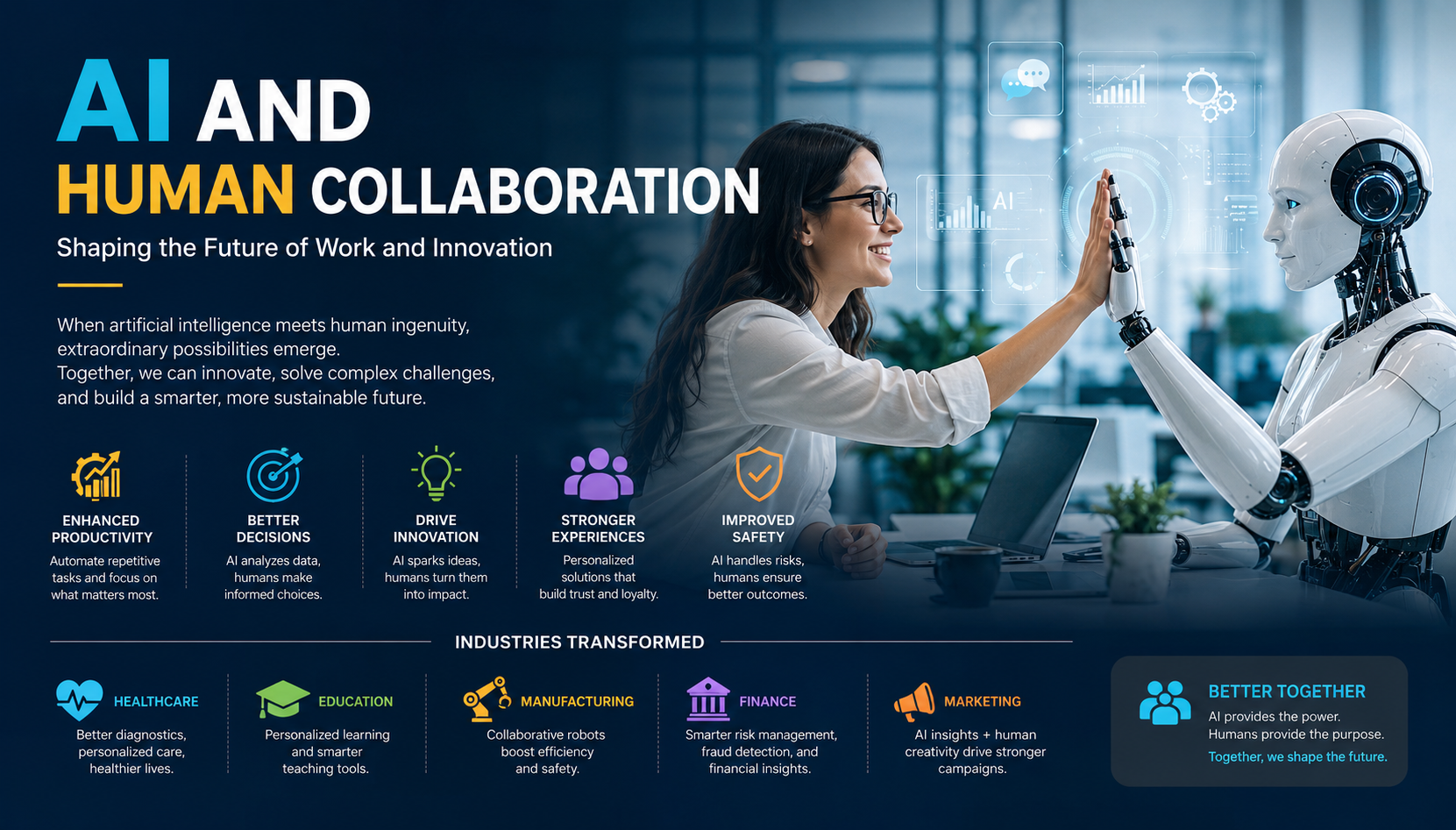
AI and Human Collaboration: Shaping the Future of Work and Innovation
AI and Human Collaboration: Artificial Intelligence (AI) is no longer a futuristic concept limited to science fiction movies. Today, AI has become a powerful force transforming industries, businesses, and daily life. From…
-
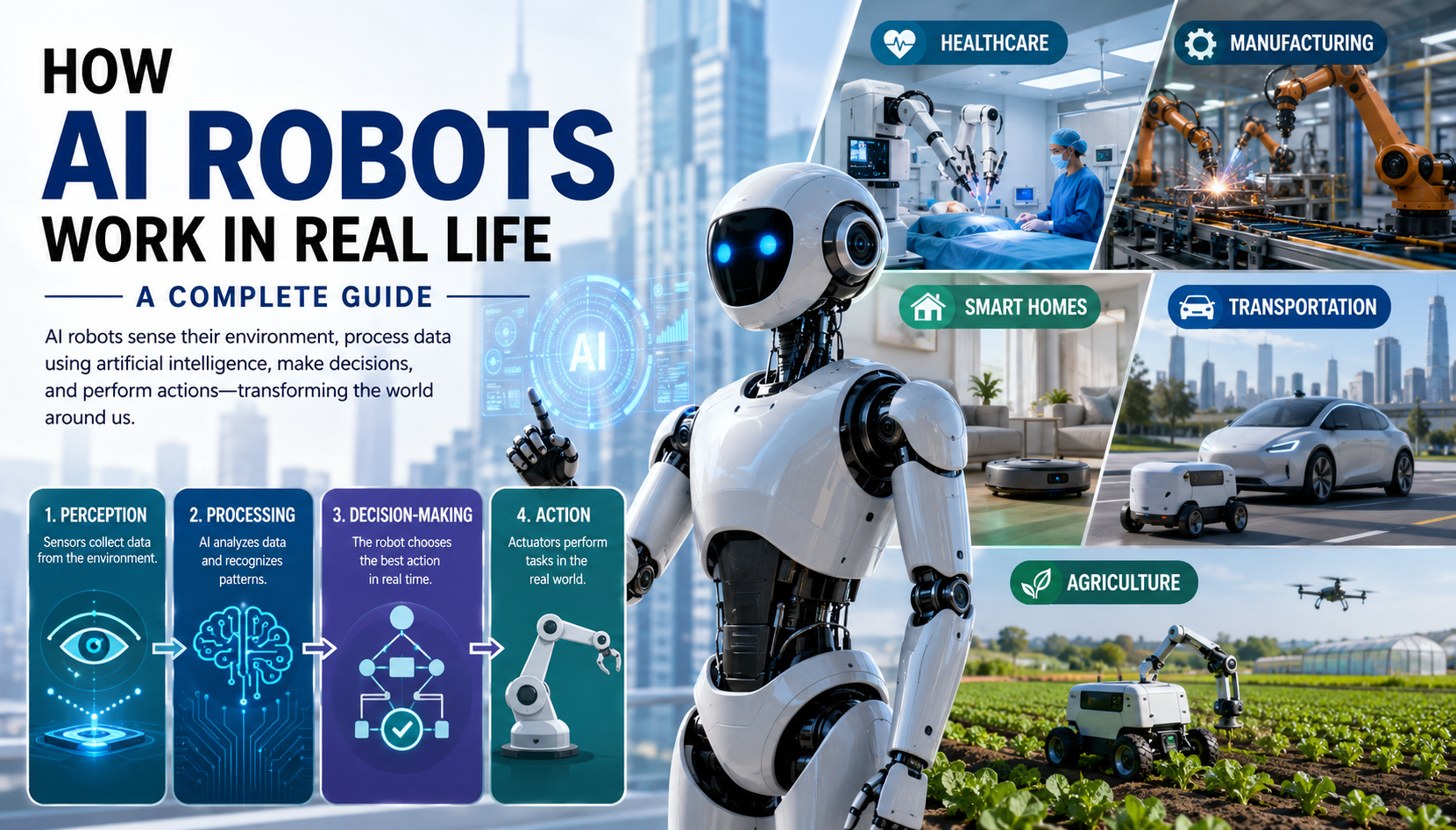
How AI Robots Work in Real Life: A Complete Guide
The idea of robots powered by artificial intelligence once belonged only to science fiction. Today, however, AI robots work in real life across industries, quietly transforming how we live, work, and interact…
-

The Power of AI in Cybersecurity: Smarter Defense, Key Benefits & What’s Next
AI in Cybersecurity has become one of the most critical concerns for organizations in the digital age. As cyber threats grow more sophisticated, traditional security approaches often struggle to keep up. Artificial…

Leave a Reply