AI Future Trends: Artificial Intelligence (AI) is no longer just a futuristic concept—it is rapidly transforming industries, reshaping jobs, and redefining how we interact with technology. As we move toward 2030 and beyond, AI is expected to become more powerful, autonomous, and deeply integrated into everyday life.
In this article, we’ll explore the top AI future trends that will shape businesses, society, and technology in the coming years.
1. Rise of Autonomous AI Agents
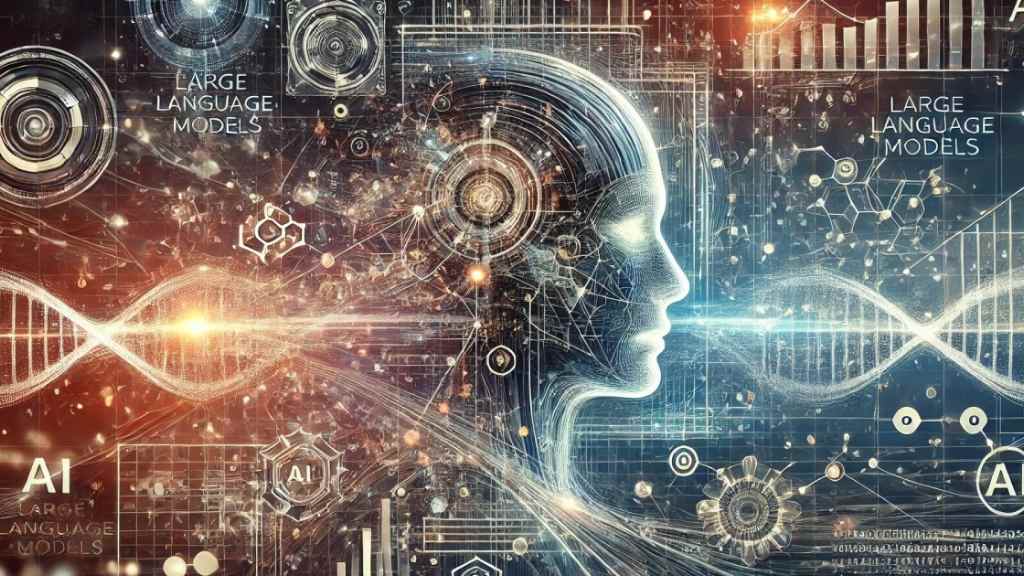
One of the biggest trends in AI is the shift from simple tools to autonomous AI agents. These systems can plan, execute, and complete tasks with minimal human intervention.
- AI will handle complex workflows independently
- Businesses will use AI agents as “digital employees”
- Multi-agent systems will collaborate to solve problems
By 2026, a significant portion of enterprise software is expected to include AI agents capable of managing tasks and improving efficiency.
2. Growth of Generative AI
Generative AI tools like ChatGPT, image generators, and video creators are evolving rapidly.
- AI will create high-quality content (text, images, videos)
- Businesses will automate marketing and design
- Personalized content will become the norm
The generative AI market is expected to grow rapidly, with widespread adoption across industries and millions of daily users worldwide.
3. AI Becomes More Human-Like (Multimodal AI)
Future AI systems will not just process text—they will understand:
- Images
- Audio
- Video
- Human emotions
This is called multimodal AI, and it will enable more natural interactions between humans and machines.
AI systems will become better at reasoning, creativity, and communication, making them more useful in real-world scenarios.
4. Expansion of AI Future Trends in Everyday Life
AI will become invisible but essential in daily life:
- Smart homes and virtual assistants
- AI-powered healthcare diagnostics
- Personalized education systems
- Self-driving and smart transportation
AI is expected to impact major sectors like healthcare, education, transportation, and entertainment, making life more efficient and convenient.
5. AI in the Workplace: Transformation, Not Replacement
There is a common fear that AI will replace jobs—but the reality is more balanced.
- AI will automate repetitive tasks
- Humans will focus on creativity and decision-making
- New job roles will emerge
Studies suggest AI will gradually transform work rather than eliminate it entirely, giving people time to adapt.
6. Rise of Edge AI and On-Device Processing
Instead of relying only on cloud systems, AI will move to local devices:
- Faster processing and real-time decisions
- Improved privacy and data security
- Reduced dependence on internet connectivity
This shift will make AI more efficient and accessible across devices like smartphones, IoT gadgets, and autonomous machines.
7. Synthetic Data and Self-Learning AI
AI systems will increasingly generate their own training data:
- Faster model improvement
- Reduced reliance on human data
- Better handling of rare scenarios
Synthetic data will play a crucial role in advancing AI capabilities and scalability.
8. Focus on AI Ethics and Regulation
As AI becomes more powerful, concerns around ethics and safety will grow.
- Governments will introduce AI regulations
- Companies will focus on responsible AI use
- Transparency and accountability will become essential
AI Future Trends governance frameworks will ensure that technology is used safely and fairly across industries.
9. AI and Cybersecurity
AI will play a dual role in cybersecurity:
Benefits:
- Detecting threats faster
- Preventing cyberattacks
- Automating security systems
Challenges:
- AI-powered hacking
- Deepfakes and misinformation
Organizations will need advanced AI tools to stay ahead in this evolving security landscape.
10. Human-AI Collaboration Will Define the Future
The future is not about humans vs AI—it’s about humans working with AI Future Trends.
- AI will act as a co-pilot in decision-making
- Professionals will use AI to enhance productivity
- Creativity and emotional intelligence will remain human strengths
Future success will depend on how well humans and AI collaborate.
11. AI Investment and Global Competition
Countries and companies are investing heavily in AI Future Trends:
- Billions of dollars in AI infrastructure
- Training millions of AI professionals
- Competition for technological leadership
This global race will accelerate innovation and shape the future economy.
12. Uncertain but Powerful Future of AI
Experts suggest multiple possible scenarios for AI by 2030:
- Slow progress
- Steady growth
- Rapid breakthroughs
In some cases, AI Future Trends could even surpass human capabilities in specific tasks, depending on technological advancements.
Conclusion
Artificial Intelligence is entering a transformative era. From autonomous agents and generative AI to ethical governance and human collaboration, the future of AI is both exciting and complex.
While challenges like job disruption and ethical concerns remain, the opportunities are far greater. AI Future Trends has the potential to improve productivity, solve global problems, and enhance human capabilities.
Blog
This section provides an overview of the blog, showcasing a variety of articles, insights, and resources to inform and inspire readers.
-
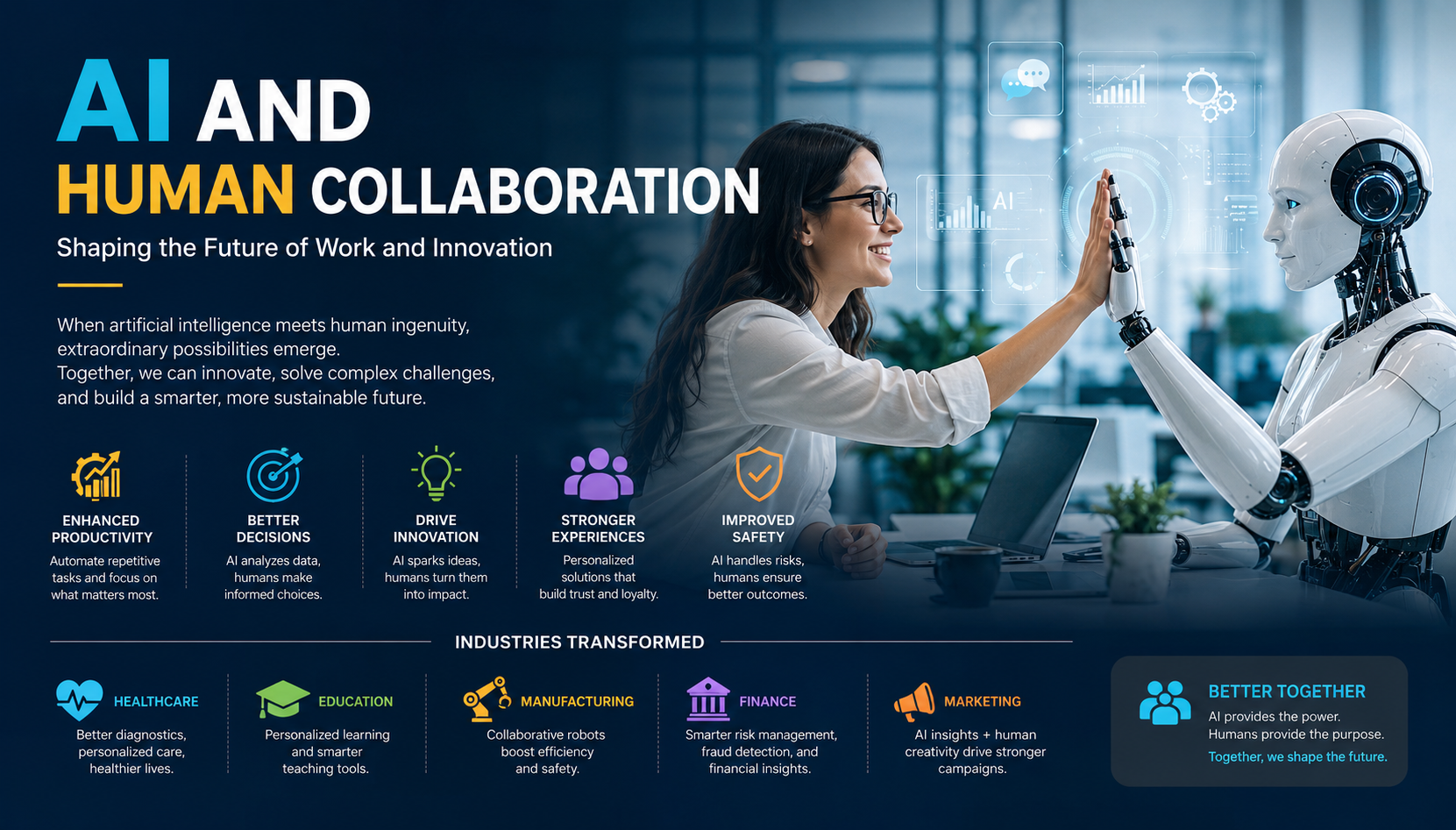
AI and Human Collaboration: Shaping the Future of Work and Innovation
AI and Human Collaboration: Artificial Intelligence (AI) is no longer a futuristic concept limited to science fiction movies. Today, AI has become a powerful force transforming industries, businesses, and daily life. From…
-
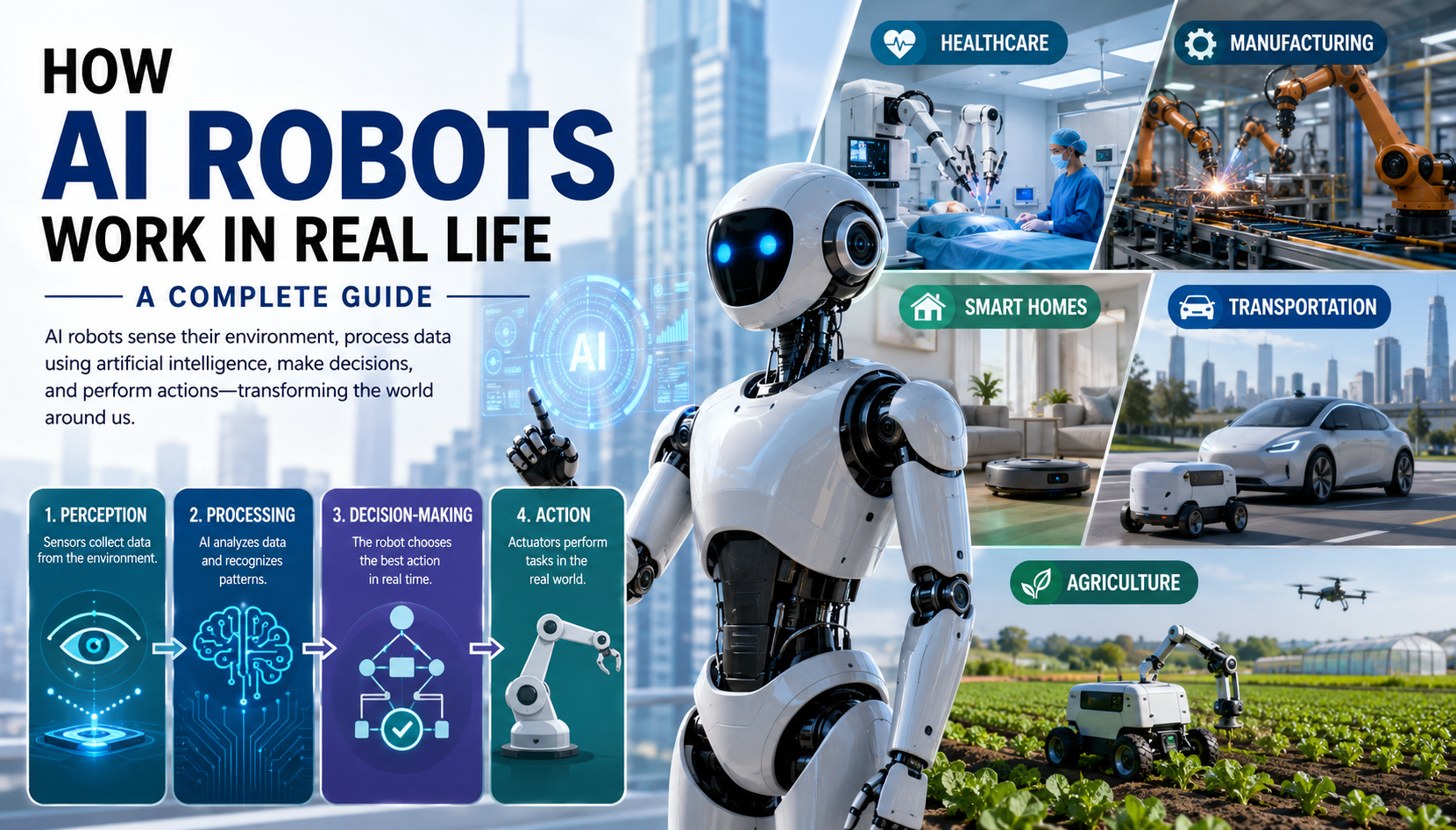
How AI Robots Work in Real Life: A Complete Guide
The idea of robots powered by artificial intelligence once belonged only to science fiction. Today, however, AI robots work in real life across industries, quietly transforming how we live, work, and interact…
-

The Power of AI in Cybersecurity: Smarter Defense, Key Benefits & What’s Next
AI in Cybersecurity has become one of the most critical concerns for organizations in the digital age. As cyber threats grow more sophisticated, traditional security approaches often struggle to keep up. Artificial…

Leave a Reply