

What is Ai Entrepreneurship: Artificial Intelligence (AI) is transforming industries at an unprecedented pace. From healthcare to finance, retail to education, AI is opening new doors for innovation and business growth. This has given rise to a new wave of entrepreneurs—AI entrepreneurs—who leverage intelligent technologies to create impactful and scalable businesses.
In this article, we’ll explore AI entrepreneurship in detail, covering key aspects step by step.
1. What is AI Entrepreneurship?
AI entrepreneurship refers to the process of building and scaling businesses using artificial intelligence technologies. These businesses use AI tools such as machine learning, natural language processing, computer vision, and automation to solve real-world problems.
Unlike traditional startups, AI-driven businesses rely heavily on data, algorithms, and intelligent systems to deliver value.
2. Why AI Entrepreneurship is Growing Rapidly
a. Increasing Data Availability
Today, massive amounts of data are generated every second. AI entrepreneurs use this data to build smarter systems that can predict, analyze, and automate decisions.
b. Advancements in Technology
AI tools and platforms like TensorFlow, OpenAI APIs, and cloud computing have made it easier and more affordable to build AI solutions.
c. High Demand for Automation
Businesses want to reduce costs and improve efficiency. AI helps automate repetitive tasks, making it highly valuable across industries.
d. Investment Opportunities
Investors are actively funding AI startups, making it easier for entrepreneurs to secure capital and grow quickly.
3. Key Areas of AI Entrepreneurship
a. Healthcare
AI startups are improving diagnostics, predicting diseases, and assisting doctors with treatment plans.
b. Finance (FinTech)
AI is used for fraud detection, risk assessment, algorithmic trading, and customer support through chatbots.
c. E-commerce
AI helps in product recommendations, customer behavior analysis, and personalized shopping experiences.
d. Education (EdTech)
AI-powered platforms provide personalized learning, automated grading, and intelligent tutoring systems.
e. Cybersecurity
AI helps detect threats, prevent attacks, and monitor systems in real time.
4. Steps to Start an AI Business
Building an AI business requires a combination of technical knowledge, strategic planning, and market understanding. Below are the essential steps explained in detail:
Step 1: Identify a Problem
Every successful AI startup begins with solving a real-world problem. Instead of focusing only on the technology, focus on what problem you are trying to solve.
Look for areas where:
- Tasks are repetitive and time-consuming
- Large amounts of data need analysis
- Human decision-making can be improved with predictions
For example, AI can help:
- Detect fraud in banking
- Recommend products in e-commerce
- Diagnose diseases in healthcare
Tip: A strong problem leads to a strong business idea. Avoid building AI just for the sake of using AI.
Step 2: Validate Your Idea
Before investing time and money, make sure your idea has real demand in the market.
You can validate your idea by:
- Researching competitors and similar products
- Conducting surveys or interviews with potential users
- Testing your concept with a small audience
Also, ask yourself:
- Who is my target customer?
- Will people pay for this solution?
- What makes my idea unique?
Tip: Validation reduces risk and helps you refine your idea early.
Step 3: Build a Skilled Team
AI businesses require a strong and diverse team with both technical and business expertise.
Key roles include:
- Data Scientists: Analyze and interpret data
- Machine Learning Engineers: Build AI models
- Software Developers: Develop applications and systems
- Business Strategists: Handle growth, marketing, and operations
You don’t always need a large team at the beginning, but having the right talent is crucial.
Tip: If you can’t hire full-time experts, consider freelancers or partnerships.
Step 4: Develop a Prototype (MVP)
A Minimum Viable Product (MVP) is a simple version of your product with core features. It allows you to test your idea without building a full system.
Benefits of an MVP:
- Saves time and cost
- Helps gather real user feedback
- Identifies weaknesses early
For an AI product, your MVP might include:
- A basic prediction model
- A simple chatbot
- A small-scale recommendation system
Tip: Focus on functionality, not perfection. Launch quickly and improve later.
Step 5: Secure Funding
AI startups often require investment for:
- Infrastructure (cloud computing, data storage)
- Hiring skilled professionals
- Product development and scaling
Funding options include:
- Angel investors
- Venture capital firms
- Government grants
- Startup incubators and accelerators
To attract investors:
- Prepare a strong business plan
- Show market demand
- Demonstrate your MVP or early results
Tip: Investors invest in both the idea and the team—so present both clearly.
Step 6: Launch and Scale
Once your product is ready, it’s time to launch it into the market.
Key activities during this stage:
- Marketing and promotion
- User acquisition
- Customer support
After launch, focus on scaling your business by:
- Improving your AI model with more data
- Expanding features based on user feedback
- Entering new markets
AI systems get better over time, so continuous improvement is essential.
Tip: Use analytics and user data to guide your decisions and growth strategy.
5. Benefits of AI Entrepreneurship
a. Scalability
AI businesses can scale quickly because software solutions can serve millions of users with minimal cost increase.
b. Competitive Advantage
Using AI gives businesses an edge over competitors by offering smarter and faster solutions.
c. Automation
AI reduces human effort by automating repetitive tasks, saving time and resources.
d. Innovation Opportunities
AI enables entrepreneurs to create unique and disruptive products.
6. Challenges in AI Entrepreneurship
a. High Initial Costs
Developing AI systems requires investment in technology, infrastructure, and talent.
b. Data Privacy Issues
Handling large datasets raises concerns about user privacy and data security.
c. Lack of Skilled Talent
AI experts are in high demand, making it difficult to find and retain skilled professionals.
d. Technical Complexity
Building and maintaining AI systems can be complex and requires continuous updates.
7. Future of AI Entrepreneurship

The future of AI entrepreneurship looks extremely promising. With advancements in technologies like Generative AI, robotics, and automation, new opportunities will continue to emerge.
Entrepreneurs who adapt early and focus on solving real problems will have a strong advantage in the evolving digital economy.
Conclusion
What is Ai Entrepreneurship:AI entrepreneurship is not just a trend—it’s the future of business. By combining innovation, data, and intelligent systems, entrepreneurs can create powerful solutions that transform industries. While challenges exist, the potential rewards are immense for those willing to explore and invest in AI-driven ideas.
Blog
This section provides an overview of the blog, showcasing a variety of articles, insights, and resources to inform and inspire readers.
-
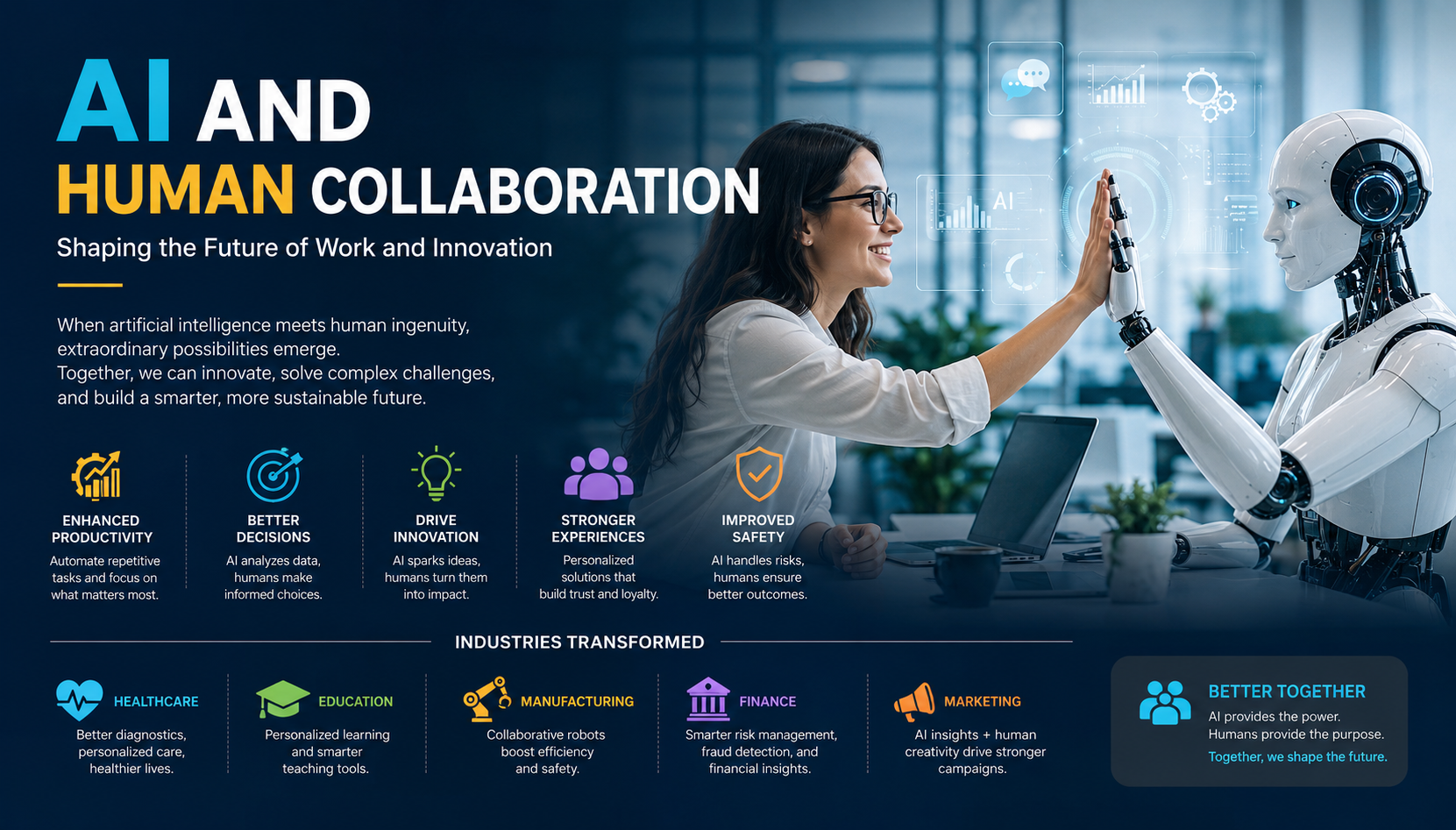
AI and Human Collaboration: Shaping the Future of Work and Innovation
AI and Human Collaboration: Artificial Intelligence (AI) is no longer a futuristic concept limited to science fiction movies. Today, AI has become a powerful force transforming industries, businesses, and daily life. From…
-
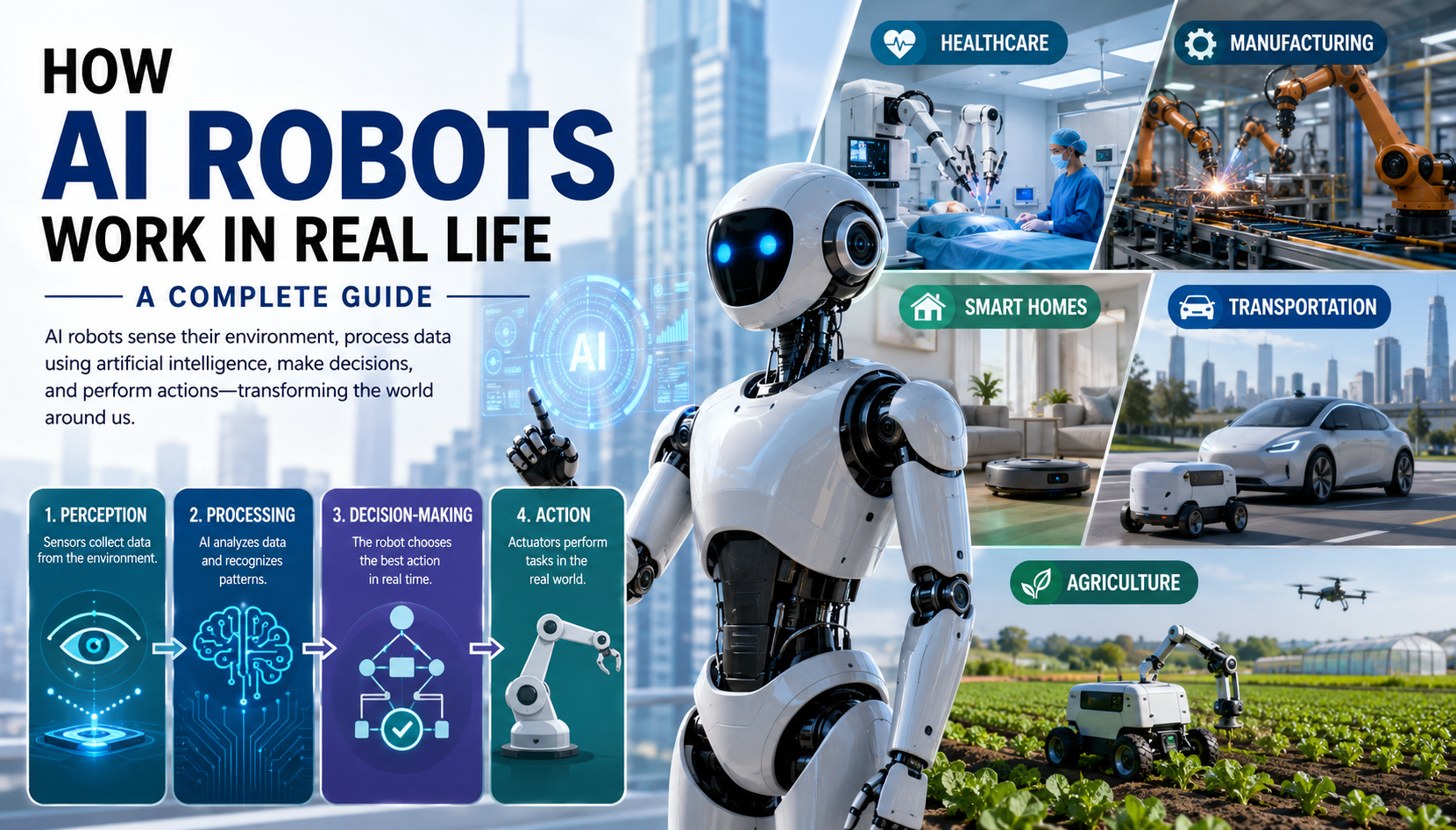
How AI Robots Work in Real Life: A Complete Guide
The idea of robots powered by artificial intelligence once belonged only to science fiction. Today, however, AI robots work in real life across industries, quietly transforming how we live, work, and interact…
-

The Power of AI in Cybersecurity: Smarter Defense, Key Benefits & What’s Next
AI in Cybersecurity has become one of the most critical concerns for organizations in the digital age. As cyber threats grow more sophisticated, traditional security approaches often struggle to keep up. Artificial…

Leave a Reply