Advantage And Disadvantage of Artificial Intelligence (AI): Artificial Intelligence (AI) is transforming the way we live and work, offering numerous advantages while also posing some challenges. On the positive side, AI improves efficiency, accuracy, and productivity by automating repetitive tasks, analyzing large amounts of data, and making smarter decisions. It also enhances customer experiences through personalization, supports innovation in fields like healthcare and transportation, and can handle dangerous tasks to improve safety. However, AI comes with certain disadvantages, such as high implementation costs, potential job displacement due to automation, ethical concerns around privacy and bias, and the risk of over-reliance on machines for decision-making. By understanding both the benefits and challenges, startups can leverage AI responsibly to drive growth while addressing potential risks.
Let’s start to read Advantage And Disadvantage of Artificial Intelligence (AI)
Advantage And Disadvantage of Artificial Intelligence (AI)
Advantages of AI: Transforming the Way We Live and Work
Artificial Intelligence (AI) is no longer a concept of the future—it’s a reality shaping our daily lives. From smartphones to healthcare, AI is revolutionizing industries by making processes smarter, faster, and more efficient. But what exactly are the advantages of AI, and why is it so important today? Let’s explore.
1. Increased Efficiency and Productivity
AI can perform repetitive and time-consuming tasks faster than humans. Automation powered by AI helps businesses save time, reduce errors, and focus on more creative or strategic work.
Example: AI chatbots handle customer inquiries instantly, freeing human agents for complex problems.
2. Improved Accuracy and Decision-Making
AI systems can analyze massive datasets and identify patterns that humans might miss. This leads to smarter and more precise decisions.
Example: In healthcare, AI can detect diseases like cancer in early stages with higher accuracy than traditional methods.
3. 24/7 Availability
Unlike humans, AI systems don’t need breaks or sleep. They can work around the clock without fatigue, ensuring consistent performance.
Example: Virtual assistants like Siri or Alexa are always ready to help, anytime, anywhere.
4. Cost Savings
Although implementing AI can require an initial investment, it reduces long-term operational costs by automating routine tasks and minimizing errors.
Example: Manufacturing companies use AI-powered robots to streamline production, reducing labor costs.
5. Personalization and Better Customer Experience
AI helps businesses provide personalized experiences by analyzing user preferences and behavior. This makes services more relevant and engaging.
Example: Streaming platforms like Netflix use AI to recommend movies based on viewing history.
6. Innovation and New Opportunities
AI drives innovation by enabling new solutions and business models that were not possible before. It opens doors to technologies like self-driving cars, smart homes, and predictive analytics.
7. Enhanced Safety
AI can perform dangerous tasks in place of humans, reducing the risk of accidents in hazardous environments.
Example: AI-powered drones can inspect high-rise buildings or mines without putting workers at risk.
Disadvantages of AI: Understanding the Risks of Artificial Intelligence
Artificial Intelligence (AI) is revolutionizing industries and making our lives smarter and more efficient. However, like any powerful technology, AI comes with its share of challenges and risks. Understanding the disadvantages of AI is essential for businesses, developers, and individuals who want to use it responsibly.
1. High Implementation Costs
Developing and deploying AI systems often requires significant investment in hardware, software, and skilled personnel. Small businesses or startups may find it difficult to afford AI solutions, making access unequal.
2. Job Displacement
AI automation can replace repetitive and manual jobs, leading to unemployment in certain sectors. While AI creates new opportunities, some workers may struggle to adapt to changing job requirements.
3. Lack of Human Judgment
AI lacks intuition, emotions, and ethical reasoning. Machines can make decisions based purely on data, which may not account for human values, social context, or morality.
4. Privacy and Security Concerns
AI systems collect and analyze massive amounts of data. If not properly managed, this can lead to privacy breaches, misuse of personal information, and cybersecurity risks.
5. Dependence on Data Quality
AI relies heavily on data to function correctly. Poor-quality, biased, or incomplete data can lead to inaccurate results, unfair decisions, or unintended consequences.
6. Ethical and Bias Issues
AI systems can unintentionally inherit biases present in their training data. This may result in unfair treatment in areas like hiring, law enforcement, or lending. Ensuring fairness and transparency is a significant challenge.
7. Unemployment and Economic Impact
While AI boosts efficiency, excessive reliance on automation may disrupt industries and the economy. Certain professions may become obsolete, affecting income distribution and workforce stability.
Conclusion
In conclusion, Artificial Intelligence (AI) offers remarkable advantages, such as increased efficiency, improved accuracy, cost savings, and innovative solutions that can transform industries and enhance daily life. At the same time, it comes with disadvantages like high implementation costs, job displacement, ethical concerns, and the risk of biased or flawed decision-making. Understanding both the benefits and drawbacks of AI is essential for using this technology responsibly. By balancing innovation with caution, businesses and individuals can harness AI’s potential while minimizing its risks, paving the way for a smarter, safer, and more productive future.
Blog
This section provides an overview of the blog, showcasing a variety of articles, insights, and resources to inform and inspire readers.
-
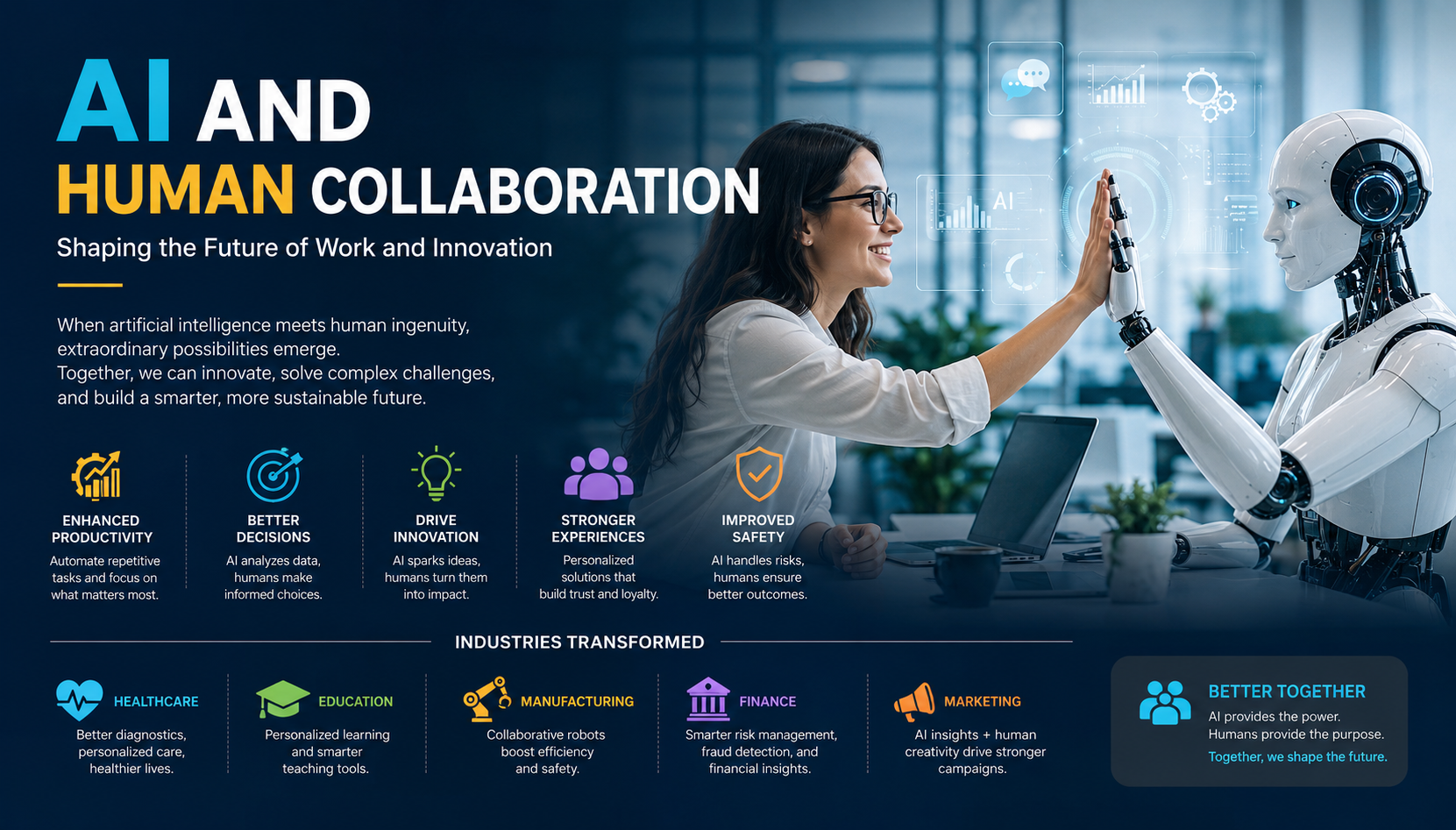
AI and Human Collaboration: Shaping the Future of Work and Innovation
AI and Human Collaboration: Artificial Intelligence (AI) is no longer a futuristic concept limited to science fiction movies. Today, AI has become a powerful force transforming industries, businesses, and daily life. From…
-
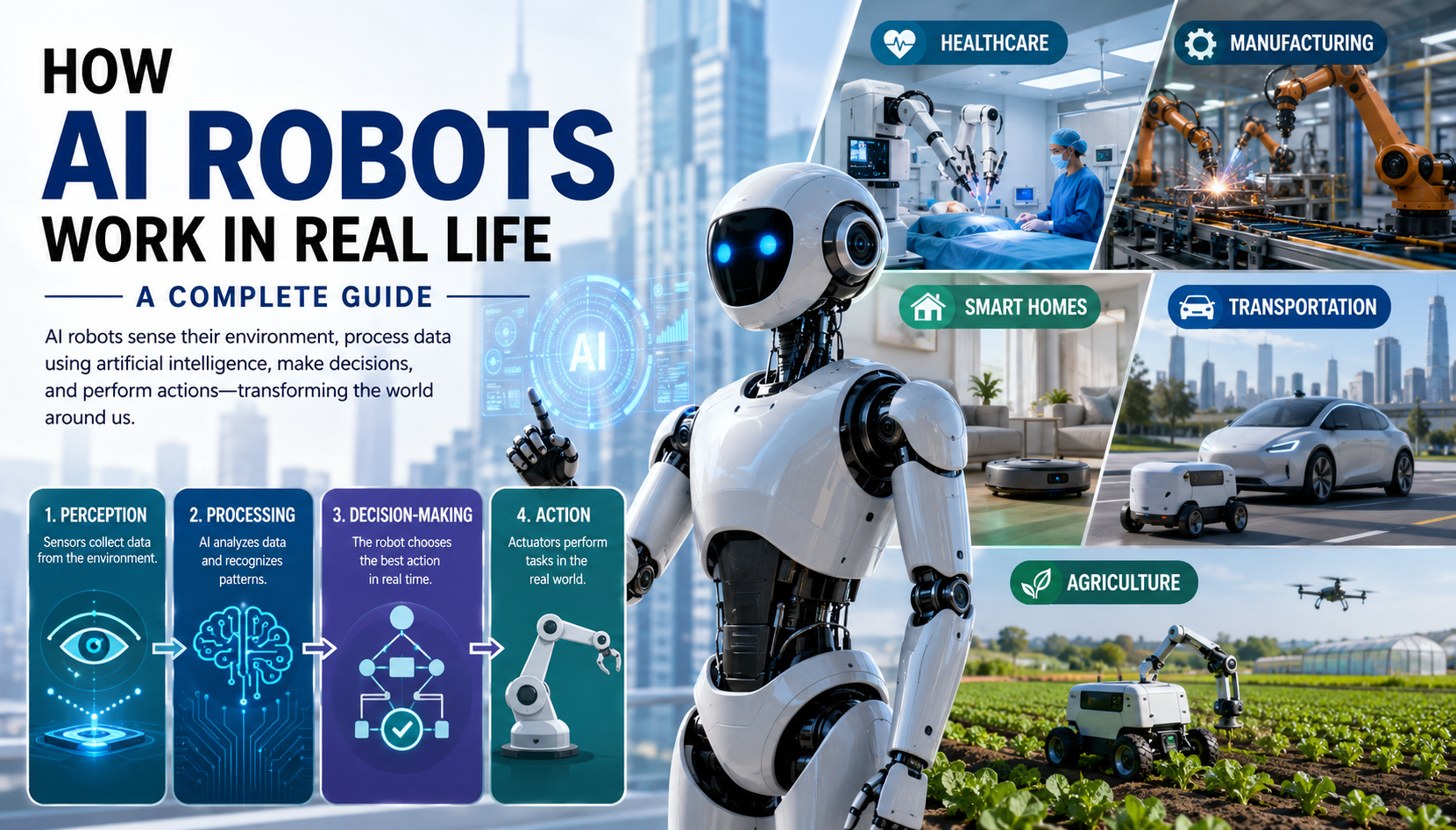
How AI Robots Work in Real Life: A Complete Guide
The idea of robots powered by artificial intelligence once belonged only to science fiction. Today, however, AI robots work in real life across industries, quietly transforming how we live, work, and interact…
-

The Power of AI in Cybersecurity: Smarter Defense, Key Benefits & What’s Next
AI in Cybersecurity has become one of the most critical concerns for organizations in the digital age. As cyber threats grow more sophisticated, traditional security approaches often struggle to keep up. Artificial…

Leave a Reply