
Types of Artificial Intelligence: Artificial Intelligence (AI) is transforming the way humans interact with technology, making systems smarter, faster, and more capable of performing tasks that once required human intelligence. AI is not a single concept but a broad field that includes different types based on capabilities and functionalities. Understanding these types helps in grasping how AI works and where it is heading.
1. Types of Artificial Intelligence Based on Capabilities
a) Narrow AI (Weak AI)
Narrow AI is designed to perform a specific task. It operates within a limited scope and cannot function beyond its predefined capabilities. Most of the AI systems we use today fall into this category.
Examples:
- Virtual assistants like Siri and Alexa
- Recommendation systems (Netflix, YouTube)
- Chatbots
Key Feature:
Highly efficient at one task but lacks general intelligence.
b) General AI (Strong AI)
General AI refers to machines that possess the ability to understand, learn, and apply knowledge across a wide range of tasks, similar to human intelligence.
Examples:
- Still under development (no true examples exist yet)
Key Feature:
Can think, reason, and solve problems like a human.
c) Super AI
Super AI is a hypothetical form of AI that surpasses human intelligence in all aspects, including creativity, problem-solving, and emotional understanding.
Examples:
- Not yet developed (exists only in theory)
Key Feature:
Would outperform humans in every field.
2. Types of AI Based on Functionality
a) Reactive Machines
These are the simplest types of AI systems. They do not store memories or use past experiences to inform future decisions.
Examples:
- IBM’s Deep Blue (chess-playing computer)
Key Feature:
Responds only to current inputs.
b) Limited Memory AI
This type of AI can use past data and experiences to make decisions. Most modern AI applications fall into this category.
Examples:
- Self-driving cars
- Fraud detection systems
Key Feature:
Learns from historical data.
c) Theory of Mind AI
This type of AI is still in development and aims to understand human emotions, beliefs, and social interactions.
Examples:
- Experimental social robots
Key Feature:
Would interact socially like humans.
d) Self-Aware AI
Self-aware AI represents the most advanced stage, where machines have consciousness and self-awareness.
Examples:
- None (purely theoretical)
Key Feature:
Possesses emotions and self-understanding.
Modern Real-World AI Systems
Artificial Intelligence (AI) is no longer a futuristic concept—it is deeply integrated into modern life. From smartphones to healthcare, AI systems are actively solving real-world problems, improving efficiency, and enhancing user experiences. These systems are designed using advanced technologies such as machine learning, deep learning, natural language processing, and computer vision.
1. AI in Everyday Applications
a) Virtual Assistants
AI-powered assistants like Siri, Alexa, and Google Assistant help users perform tasks through voice commands.
Functions:
- Setting reminders
- Answering questions
- Controlling smart home devices
Impact:
Makes daily tasks faster and more convenient.
b) Recommendation Systems
Platforms like Netflix, YouTube, and Amazon use AI to suggest content or products based on user behavior.
How it works:
- Analyzes browsing history
- Tracks preferences
- Uses algorithms to predict interests
Impact:
Improves user engagement and satisfaction.
2. AI in Transportation
a) Self-Driving Cars
Companies like Tesla and Waymo are developing autonomous vehicles that use AI to navigate roads.
Technologies Used:
- Computer vision
- Sensors and cameras
- Real-time data processing
Impact:
Reduces human error and improves road safety.
b) Traffic Management Systems
AI helps manage traffic flow in smart cities.
Functions:
- Predicts congestion
- Optimizes traffic signals
- Suggests alternative routes
3. AI in Business and Finance
a) Fraud Detection
Banks use AI to detect suspicious transactions.
How it works:
- Identifies unusual patterns
- Flags potential fraud instantly
b) Chatbots & Customer Support
AI chatbots handle customer queries 24/7.
Impact:
- Reduces workload
- Improves customer satisfaction
4. AI in E-Commerce
Applications:
- Personalized shopping experiences
- Price optimization
- Inventory management
Example:
Amazon uses AI to recommend products and optimize delivery routes.
5. AI in Education
a) Personalized Learning
AI systems tailor educational content based on student performance.
Features:
- Adaptive quizzes
- Learning recommendations
b) Automated Grading
AI helps teachers by grading assignments and exams.
6. AI in Security
a) Facial Recognition
Used in smartphones and surveillance systems.
Applications:
- Unlocking devices
- Identifying individuals
b) Cybersecurity
AI detects and prevents cyber threats.
7. AI in Industry and Manufacturing
a) Predictive Maintenance
AI predicts when machines will fail.
Benefits:
- Reduces downtime
- Saves costs
b) Robotics
AI-powered robots perform repetitive tasks in factories.
8. AI in Smart Cities
AI is used to manage:
- Energy consumption
- Waste management
- Public safety systems
Impact:
Creates more sustainable and efficient urban environments.
Conclusion
Artificial Intelligence is evolving rapidly, moving from simple reactive systems to more advanced and intelligent machines. While most current technologies rely on Narrow AI and Limited Memory AI, the future holds the possibility of General AI and even Super AI. Understanding these types not only highlights the progress made so far but also raises important questions about ethics, control, and the role of AI in society.
As AI continues to develop, it will play an increasingly significant role in shaping industries, economies, and daily life, making it essential for individuals and organizations to stay informed about its capabilities and implications.
Modern AI systems are transforming industries and reshaping the way people live and work. From healthcare to transportation and business, AI is making processes smarter, faster, and more efficient. As technology continues to advance, AI will become even more powerful, bringing both opportunities and challenges that society must carefully manage.
Blog
This section provides an overview of the blog, showcasing a variety of articles, insights, and resources to inform and inspire readers.
-
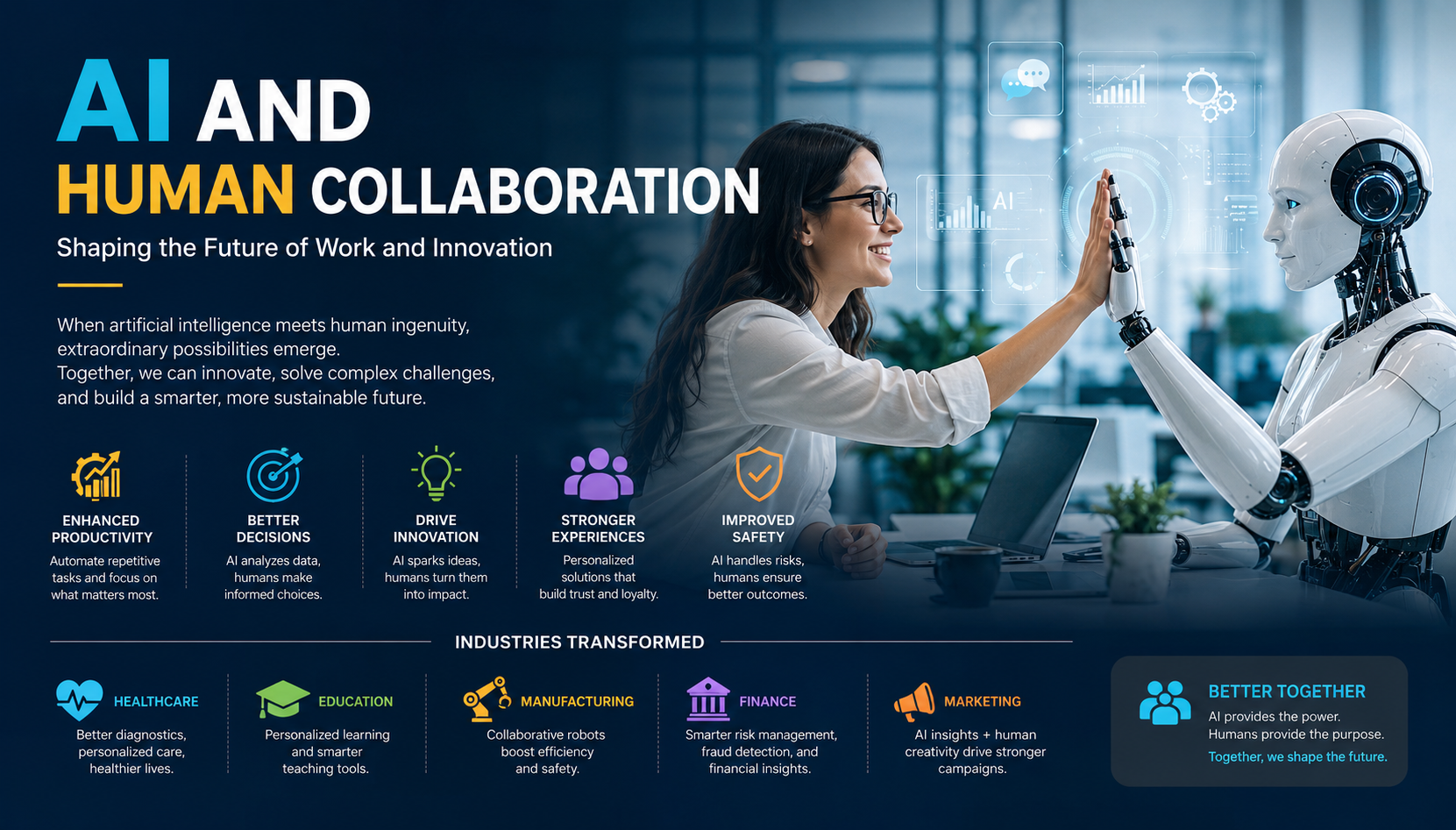
AI and Human Collaboration: Shaping the Future of Work and Innovation
AI and Human Collaboration: Artificial Intelligence (AI) is no longer a futuristic concept limited to science fiction movies. Today, AI has become a powerful force transforming industries, businesses, and daily life. From…
-
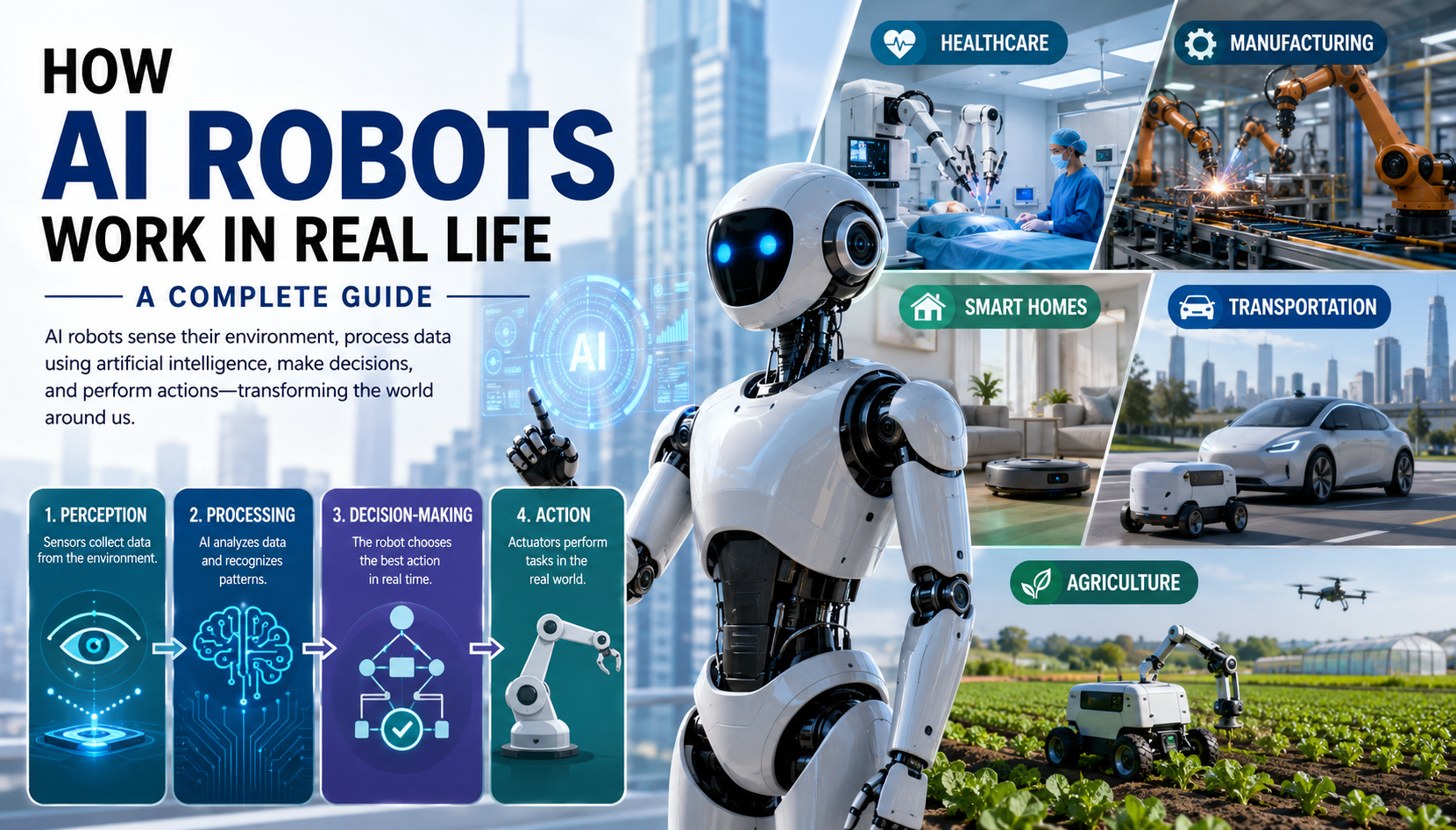
How AI Robots Work in Real Life: A Complete Guide
The idea of robots powered by artificial intelligence once belonged only to science fiction. Today, however, AI robots work in real life across industries, quietly transforming how we live, work, and interact…
-

The Power of AI in Cybersecurity: Smarter Defense, Key Benefits & What’s Next
AI in Cybersecurity has become one of the most critical concerns for organizations in the digital age. As cyber threats grow more sophisticated, traditional security approaches often struggle to keep up. Artificial…

Leave a Reply