
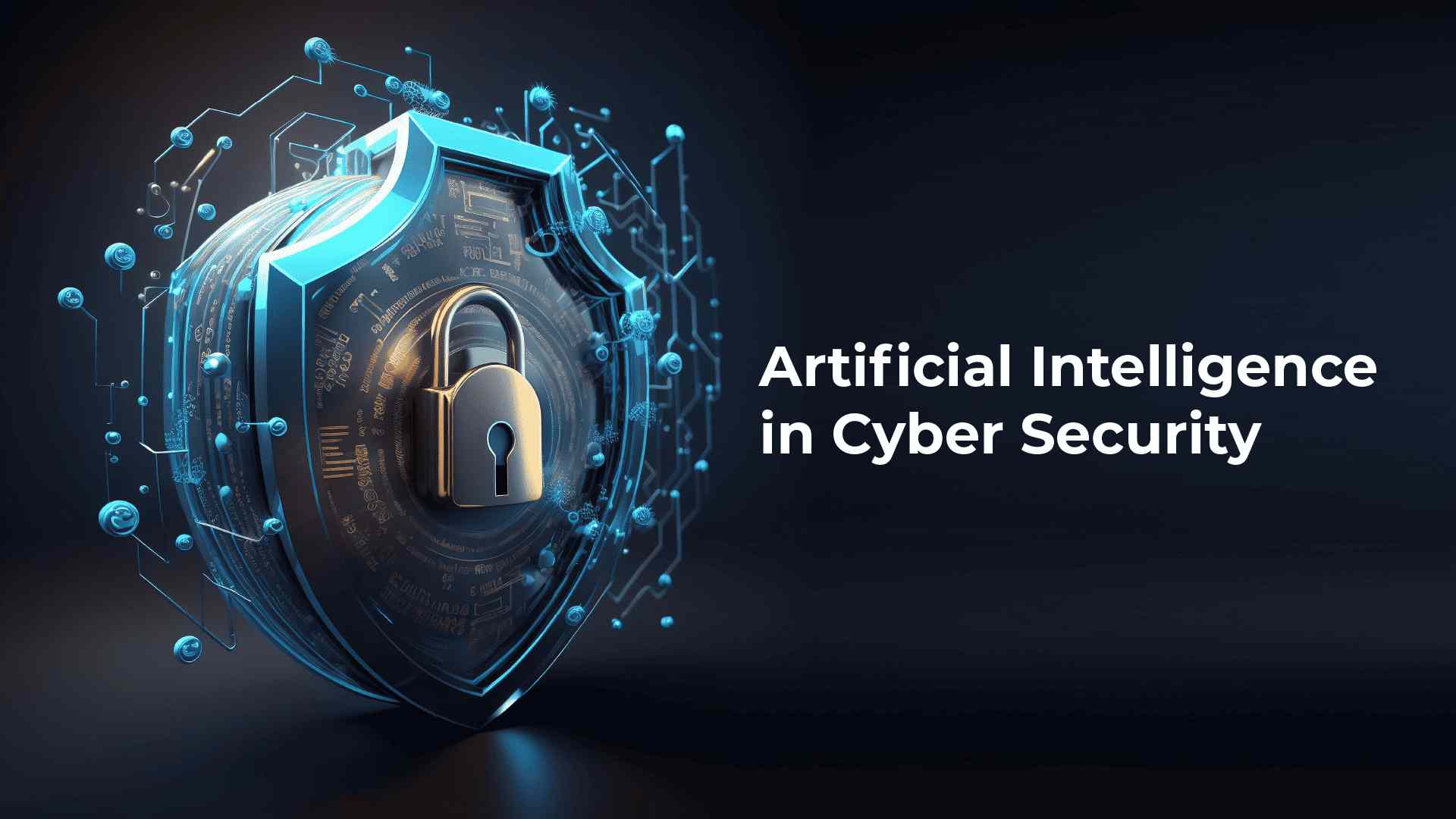
AI in Cybersecurity in today’s digital world, cyber threats are growing faster and becoming more sophisticated. Traditional security systems often struggle to keep up with evolving attacks. This is where Artificial Intelligence (AI) is making a powerful impact. AI is revolutionizing cybersecurity by providing faster, smarter, and more proactive defense mechanisms.
🔐 What is AI in Cybersecurity?
AI in cybersecurity refers to the use of machine learning, deep learning, and intelligent algorithms to detect, prevent, and respond to cyber threats. Instead of relying only on predefined rules, AI systems learn from data and adapt to new attack patterns in real time.
🚀 Key Applications of AI in Cybersecurity
1. Threat Detection and Prevention
AI systems can analyze massive amounts of data and identify unusual patterns that may indicate a cyberattack.
- Detects malware, phishing, and ransomware
- Identifies unknown (zero-day) threats
- Works in real-time with high accuracy
👉 Example: AI can detect suspicious login attempts from unusual locations instantly.
2. Behavioral Analysis
AI monitors user and system behavior to detect anomalies.
- Tracks normal user activities
- Flags unusual actions (e.g., sudden data access spikes)
- Prevents insider threats
👉 Example: If an employee suddenly downloads large sensitive files, AI can raise an alert.
3. Automated Incident Response
AI helps organizations respond quickly to security incidents without human delay.
- Automatically isolates infected systems
- Blocks malicious IPs
- Reduces response time from hours to seconds
👉 This minimizes damage and prevents data breaches.
4. Fraud Detection
AI is widely used in banking and e-commerce to detect fraudulent activities.
- Analyzes transaction patterns
- Identifies suspicious financial behavior
- Prevents identity theft
👉 Example: Detecting unusual credit card usage in a different country.
5. Phishing Detection
AI can identify phishing emails and fake websites more accurately than traditional filters.
- Analyzes email content, links, and sender behavior
- Detects even well-crafted phishing attacks
- Continuously improves through learning
6. Vulnerability Management
AI scans systems to find weaknesses before hackers exploit them.
- Identifies software vulnerabilities
- Prioritizes risks based on severity
- Suggests fixes automatically
7. Network Security Monitoring
AI continuously monitors network traffic to detect threats.
- Detects unusual traffic patterns
- Prevents Distributed Denial-of-Service (DDoS) attacks
- Ensures safe data flow across networks
🌟 Benefits of AI in Cybersecurity
1. ⚡ Faster Threat Detection
One of the biggest advantages of AI in cybersecurity is its ability to detect threats in real time. Traditional security systems often rely on predefined rules and manual monitoring, which can delay detection. AI, on the other hand, continuously scans vast amounts of data at high speed.
It can instantly identify suspicious activities such as unusual login attempts, malware behavior, or unauthorized access. This rapid detection significantly reduces the time attackers have to cause damage, helping organizations prevent data breaches before they escalate.
👉 In many cases, AI can detect and respond to threats within seconds—something that would take humans hours or even days.
2. 🎯 Improved Accuracy
AI systems use machine learning algorithms to learn from historical data and improve over time. This allows them to distinguish between normal behavior and actual threats more accurately.
Traditional systems often generate many false positives (false alarms), which can overwhelm security teams. AI minimizes these false alerts by understanding context and patterns, allowing security professionals to focus only on real threats.
👉 The result is a more efficient security system with fewer distractions and better decision-making.
3. 🛡️ Proactive Defense
Unlike traditional cybersecurity methods that react after an attack occurs, AI enables a proactive approach. By analyzing patterns, trends, and potential vulnerabilities, AI can predict possible threats before they happen.
For example, AI can identify weaknesses in a system or detect early signs of a cyberattack, allowing organizations to take preventive action. This forward-thinking approach reduces risks and strengthens overall security.
👉 It’s like having a smart guard who not only watches but also predicts where the next attack might come from.
4. 💰 Cost Efficiency
Implementing AI in cybersecurity can significantly reduce operational costs over time. Many routine tasks—such as monitoring, threat detection, and incident response—are automated by AI systems.
This reduces the need for large security teams and minimizes human intervention in repetitive tasks. Organizations can allocate resources more effectively and focus on strategic security improvements.
👉 While the initial setup may be costly, AI saves money in the long run by preventing expensive cyberattacks and data breaches.
5. 🕒 24/7 Protection
Cyber threats don’t follow a schedule—they can occur at any time. AI systems provide continuous, round-the-clock monitoring without fatigue.
Unlike human teams, AI doesn’t need breaks, sleep, or shifts. It can monitor networks, detect anomalies, and respond to threats at any hour of the day or night.
👉 This constant vigilance ensures that organizations are always protected, even during off-hours or holidays.
⚠️ Challenges of AI in Cybersecurity
1. 💸 High Implementation Cost
While AI offers powerful capabilities, the initial investment can be a major barrier—especially for small and medium-sized businesses.
Setting up AI-based cybersecurity involves:
- Purchasing advanced software and tools
- Investing in high-performance computing infrastructure
- Hiring skilled AI and cybersecurity professionals
In addition, there are ongoing costs for system updates, maintenance, and training models with new data. For many organizations, this makes AI adoption a long-term investment rather than an immediate solution.
👉 Smaller companies may struggle to compete with large enterprises that can afford advanced AI security systems.
2. 🔐 Data Privacy Concerns
AI systems rely heavily on large volumes of data to function effectively. This data often includes sensitive information such as user behavior, personal details, and organizational records.
This raises several concerns:
- Risk of data misuse or unauthorized access
- Compliance with data protection laws (like GDPR or local regulations)
- Ethical concerns about how data is collected and used
If not handled properly, AI systems themselves can become a target for cyberattacks, leading to serious privacy breaches.
👉 Organizations must ensure strong data governance and encryption when using AI.
3. 🤖 Adversarial Attacks
AI is a double-edged sword—just as defenders use it, cybercriminals can also leverage AI to launch more sophisticated attacks.
These include:
- AI-generated phishing emails that look highly realistic
- Malware that can adapt and evade detection
- Manipulation of AI models using “adversarial inputs” to fool systems
For example, attackers can trick AI systems into misclassifying malicious activity as safe, allowing them to bypass security measures.
👉 This creates an ongoing “AI vs AI” battle between attackers and defenders.
4. 🧠 Complexity and Skill Requirements
AI systems are not simple tools—they require expert knowledge to develop, implement, and maintain.
Challenges include:
- Shortage of skilled AI and cybersecurity professionals
- Difficulty in understanding how AI models make decisions (lack of transparency)
- Continuous need for training and updating models
Organizations must invest in training their teams or hiring experts, which adds to the overall complexity and cost.
👉 Without proper expertise, AI systems may be misconfigured or underutilized, reducing their effectiveness.
🔮 Future of AI in Cybersecurity
The future of AI in cybersecurity looks promising:
- AI will become more autonomous in handling threats
- Integration with cloud security and IoT protection
- Smarter defense against AI-powered cyberattacks
- Increased use of predictive analytics
As cyber threats continue to evolve, AI will play a crucial role in building a safer digital environment.
📝 Conclusion
AI is transforming cybersecurity by making systems more intelligent, efficient, and proactive. From detecting threats to preventing fraud and automating responses, AI is becoming an essential tool in modern security strategies. However, it also comes with challenges that organizations must address carefully.
In the battle against cybercrime, AI is not just an advantage—it is a necessity.
Blog
This section provides an overview of the blog, showcasing a variety of articles, insights, and resources to inform and inspire readers.
-
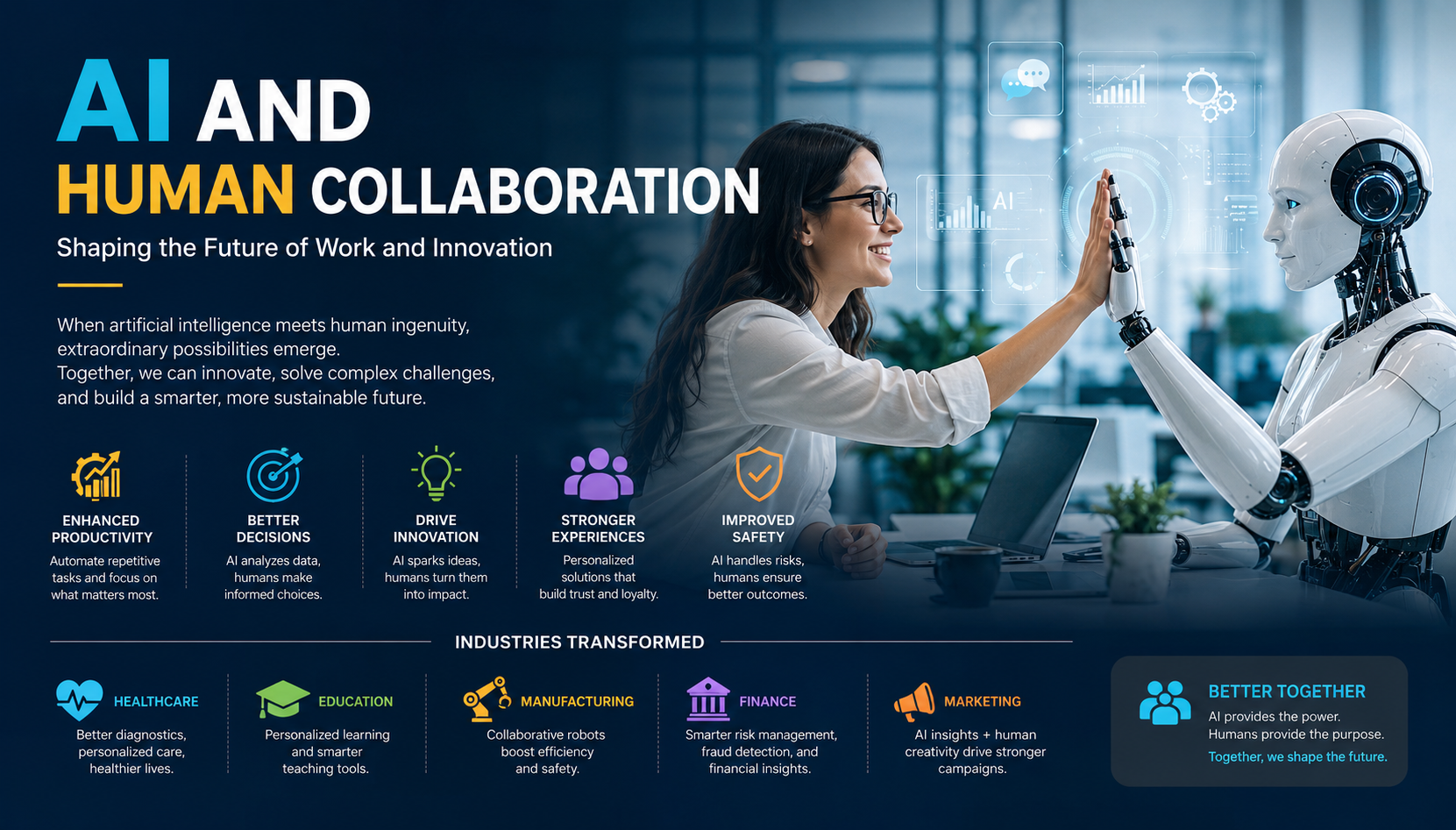
AI and Human Collaboration: Shaping the Future of Work and Innovation
AI and Human Collaboration: Artificial Intelligence (AI) is no longer a futuristic concept limited to science fiction movies. Today, AI has become a powerful force transforming industries, businesses, and daily life. From…
-
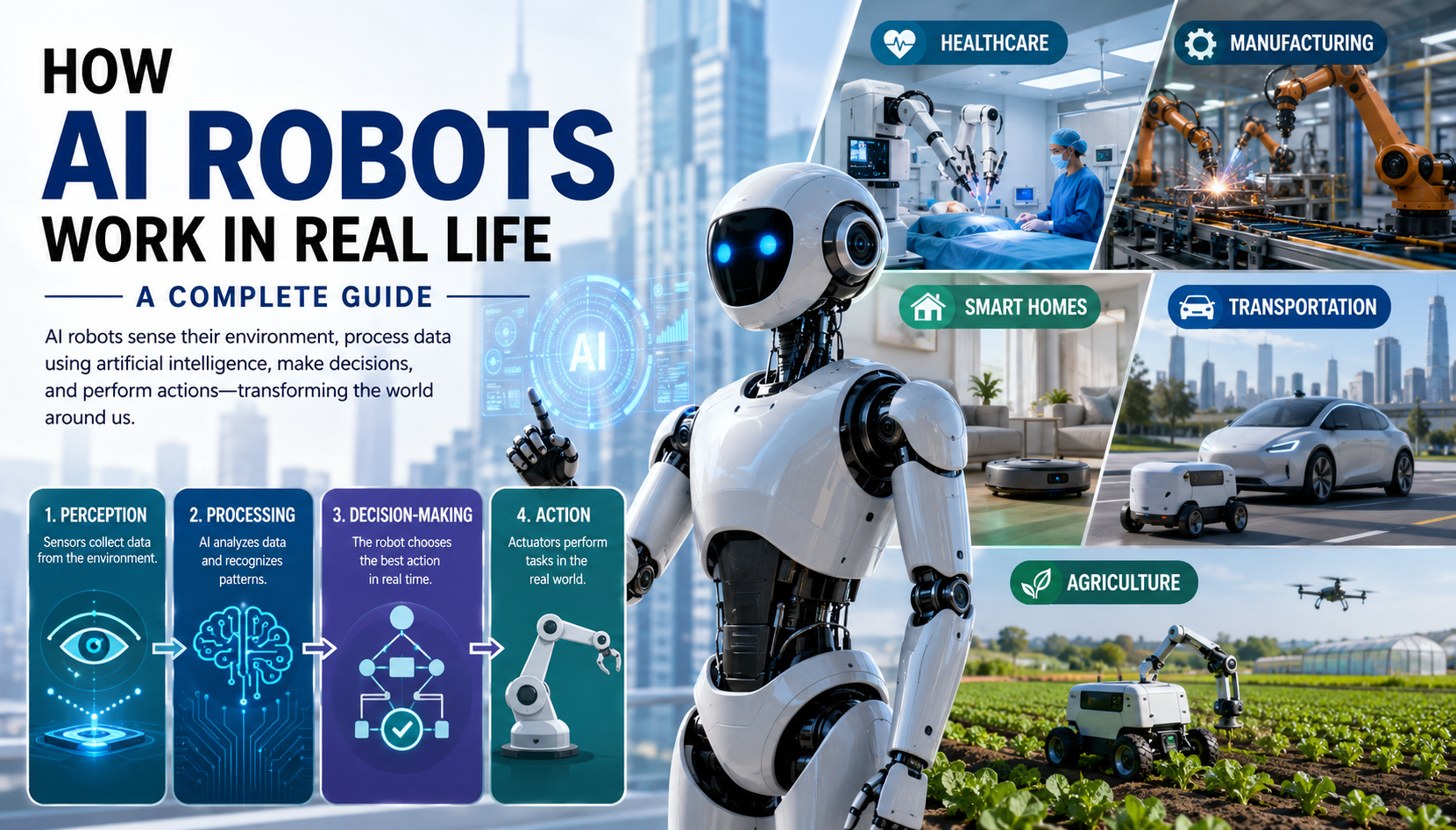
How AI Robots Work in Real Life: A Complete Guide
The idea of robots powered by artificial intelligence once belonged only to science fiction. Today, however, AI robots work in real life across industries, quietly transforming how we live, work, and interact…
-
The Power of AI in Cybersecurity: Smarter Defense, Key Benefits & What’s Next
AI in Cybersecurity has become one of the most critical concerns for organizations in the digital age. As cyber threats grow more sophisticated, traditional security approaches often struggle to keep up. Artificial…

Leave a Reply